







Birmingham Silver Bowl
A birmingham silver bowl brings the precision of the Midlands silversmiths straight to your table, offering refined metalwork from the late nineteenth century onwards.
Birmingham Silver Bowl
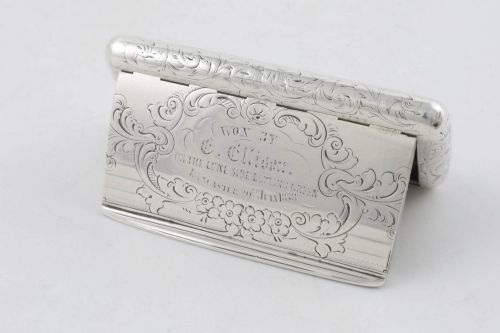
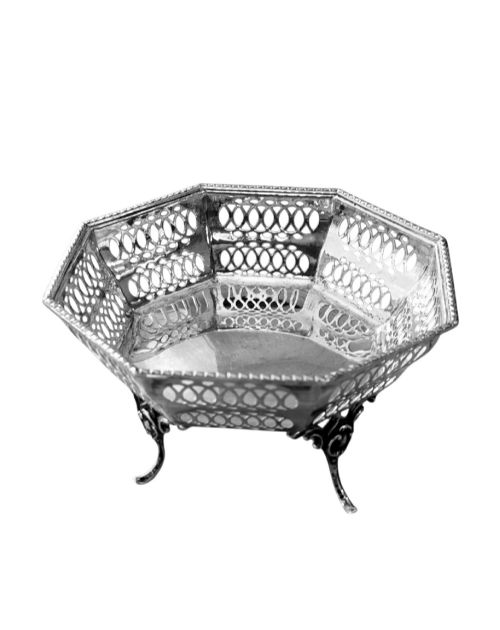
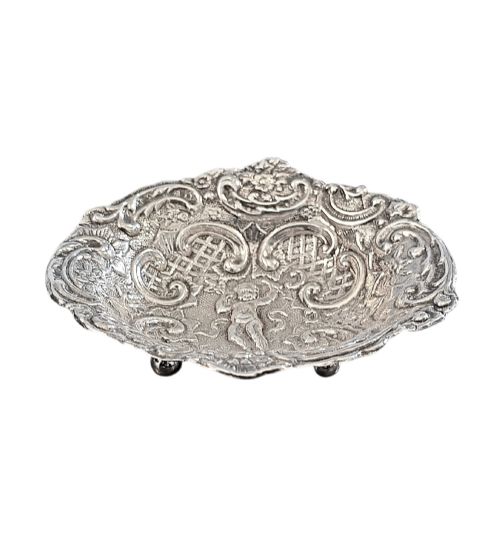
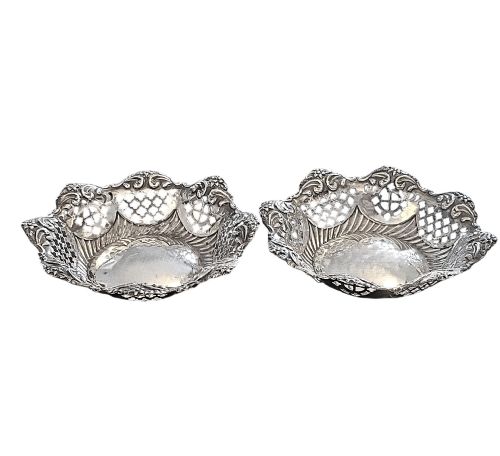
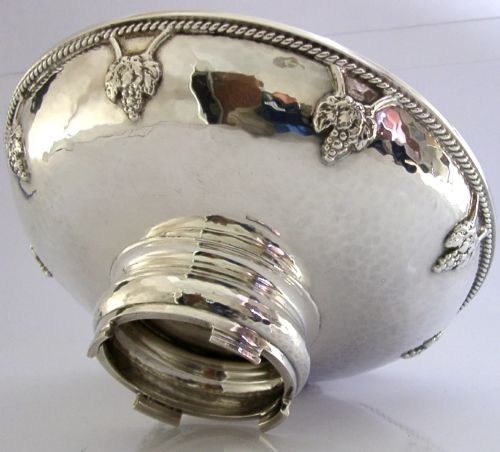
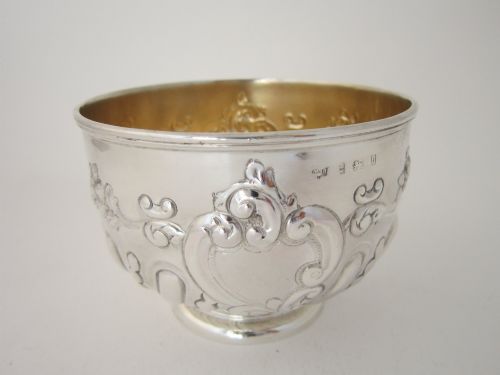
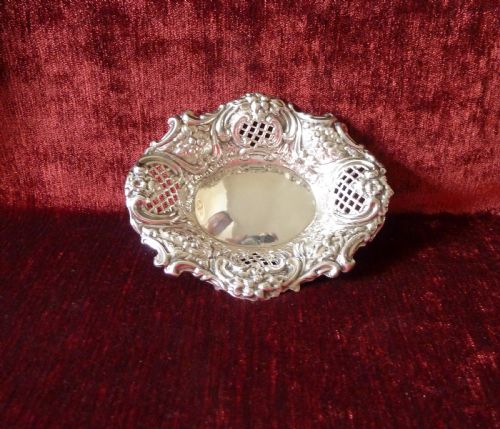
When searching for a birmingham silver bowl, you encounter a varied assortment of domestic vessels ranging from small bonbon dishes and pin trays to large punch bowls and baskets. These pieces span the Victorian, Edwardian, and mid twentieth-century periods, reflecting shifting tastes in British dining and dressing table accessories.
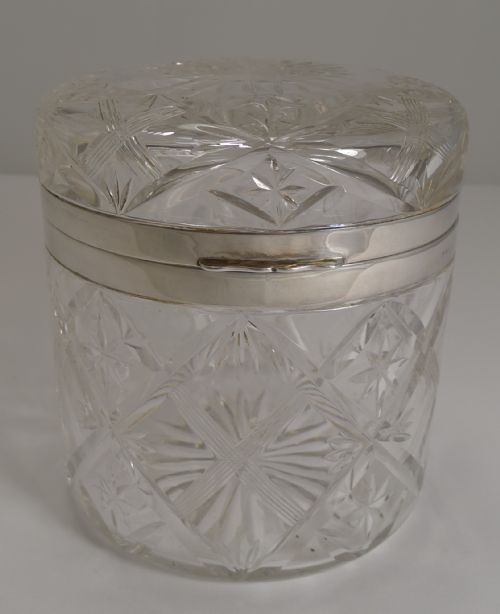
The most frequent examples on this page are small serving vessels and decorative dishes marked by provincial assay office stamps. Alongside sterling silver creations, the selection incorporates glass and enamel combinations, providing versatile forms for modern domestic settings.
Materials and construction
The physical construction relies heavily on sterling silver and silver plate, shaped through traditional hammering, spinning, and casting techniques. Many pieces incorporate pierced lattice work or intricate chased decoration, requiring steady handwork by skilled silversmiths.
Makers frequently combined metal with other media, pairing solid silver frames with cranberry glass, cut crystal inserts, or vitreous enamel lids. Electroplated nickel silver also appears on larger serving vessels from the nineteenth century, offering durable alternatives to solid metal.
Birmingham Silver Bowl Retail Price Guide 2026
Typical asking prices for birmingham silver bowl among the pieces listed under this phrase on Sellingantiques today, from the lower quarter to the upper quarter. They describe what is for sale here now, not the wider market.
Listings span multiple eras from the late Victorian period through the Edwardian years up to the 1960s, incorporating glass, enamel, and various grades of silver.
Assessing craftsmanship and execution
Quality reveals itself in the crispness of the chasing and the structural integrity of pierced or lattice designs. Superior examples maintain balance and wall thickness that feel substantial in the hand, whereas simpler pieces rely entirely on thin stamped metal.
The integration of secondary materials dictates overall refinement, particularly in enamelled boxes or glass-lined baskets where secure fit and clean bezels matter. Maker marks from established firms often signal higher standards of finishing and heavier gauge metal.
William Aitken·Mitchell Bosley Co·A E Jones·Daniel and Arter·Alexander Clarke Co·John Barrett·Henry Williamson Ltd·Vale Brothers and Sermon
The Birmingham Silver Bowl Glossary
- Sterling silver
- A silver alloy containing 92.5 percent pure silver by mass, standard for British domestic plate.
- Bonbon dish
- A small open vessel designed originally for holding sweets or confectionery upon a table.
- Monteith bowl
- A large punch bowl featuring a scalloped or notched rim used for chilling wine glasses.
- Tazza
- An ornamental shallow bowl or plate mounted upon a stem and foot.
- Assay office
- An official body that tests the purity of precious metals and stamps them with hallmarks.
Birmingham Silver Bowl: Frequently Asked Questions
How do I date a birmingham silver bowl?
Dating relies upon the official assay office hallmarks stamped directly onto the metal surface. These include a specific anchor symbol for Birmingham alongside designated date letters that change annually.
Additional style indicators, such as Edwardian lattice work or Art Nouveau curves, help narrow down the decade of manufacture when combined with maker marks.
What were silver bowls used for originally?
These vessels served diverse practical and decorative functions within middle and upper class homes. Smaller forms held sugar, sweets, or small trinkets on dressing tables, while larger pieces functioned as punch bowls or centrepieces for dining tables.
Many were presented as gifts or prizes, reflecting their importance in domestic hospitality and social ritual.
How should I clean my silver bowl?
Maintenance requires gentle washing with warm soapy water and a soft cloth to remove everyday dust and oils. Proprietary silver polishes should be used sparingly to avoid wearing away delicate engraved details or thin plating.
Glass or enamel components demand separate care, keeping moisture away from glued mounts and soft enamel surfaces.
Are all birmingham bowls solid silver?
The materials vary significantly across different eras and makers. While many pieces feature solid sterling silver construction, others consist of silver plate or electroplated nickel silver over base metals.
Inspecting the hallmarks clarifies the exact metal standard, distinguishing solid silver from plated alternatives.