

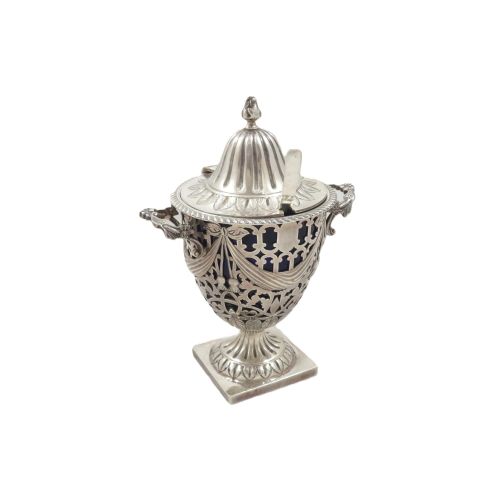
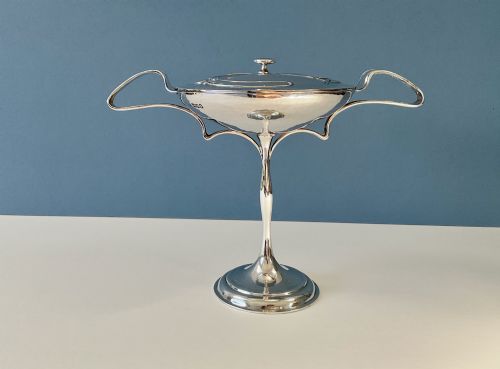
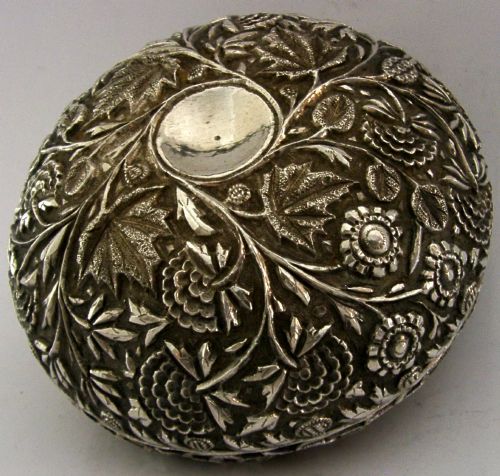
Sterling Silver Sugar Bowl
A sterling silver sugar bowl brings the weight and bright reflectivity of the Georgian, Victorian, and Edwardian dining table directly into a modern interior.
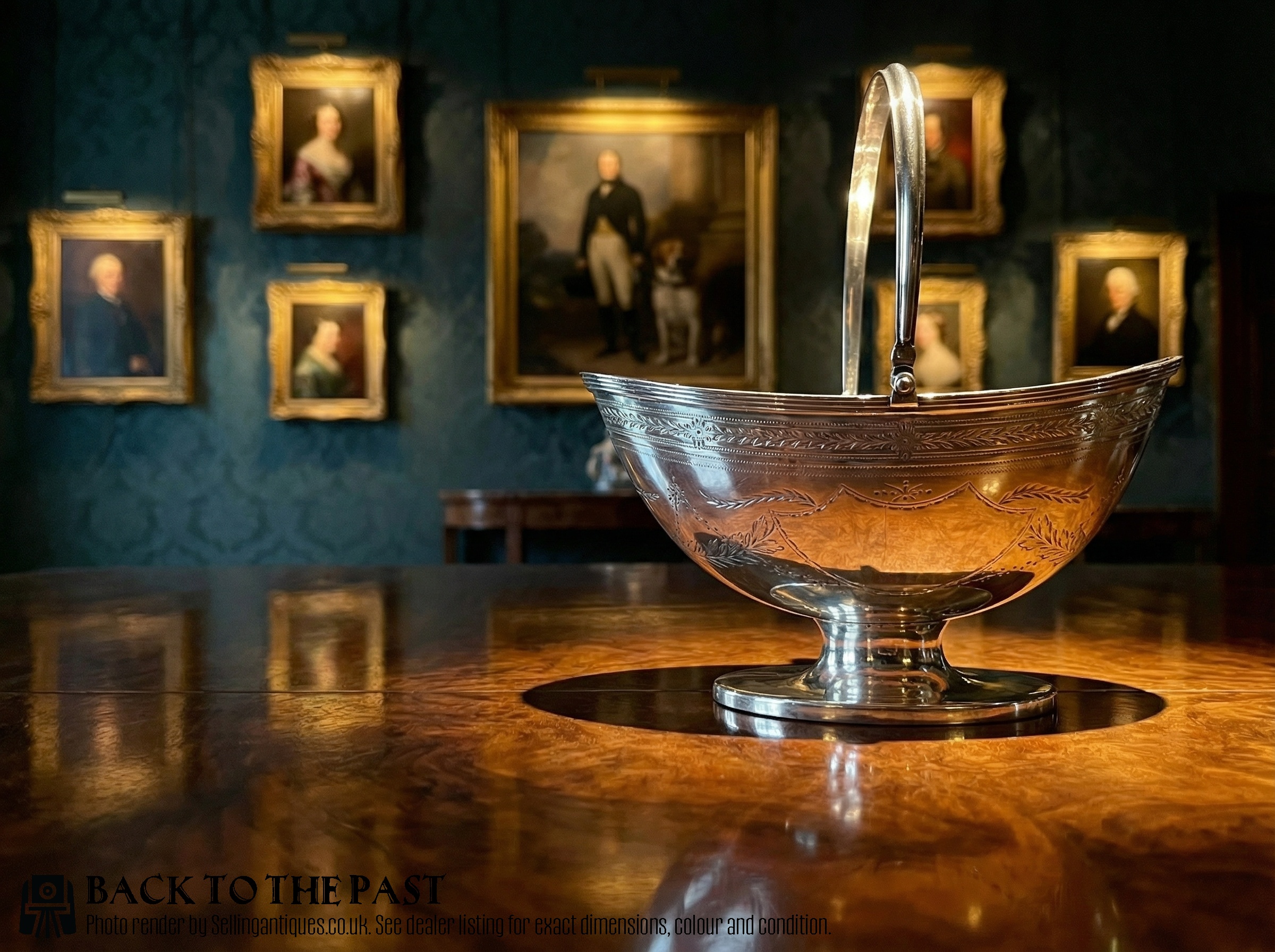
Sterling Silver Sugar Bowl
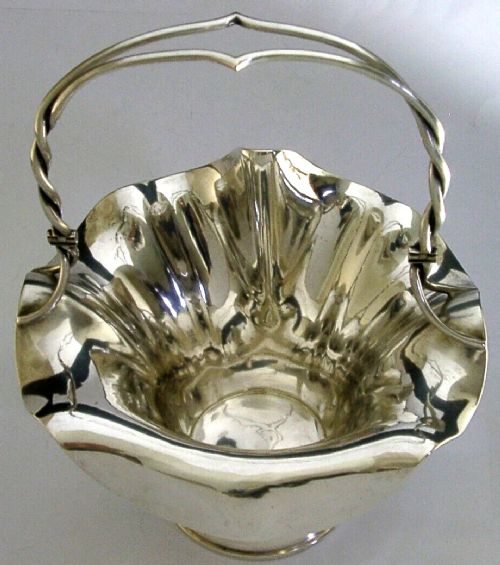
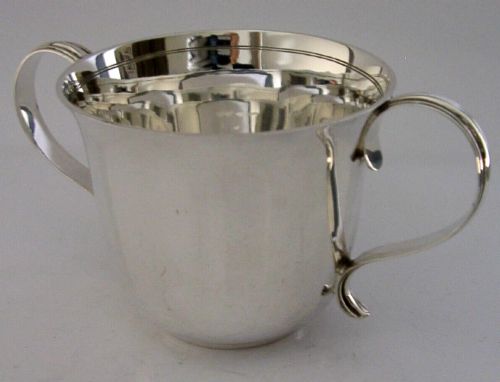
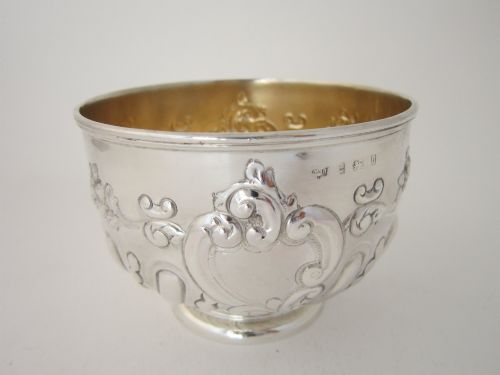
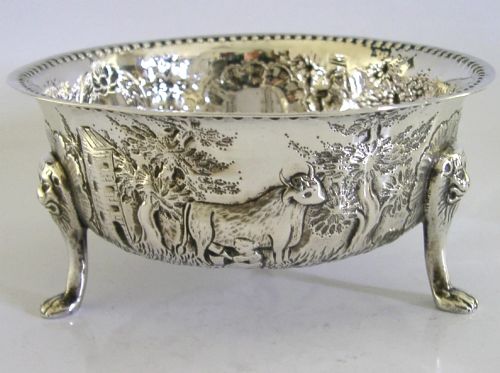
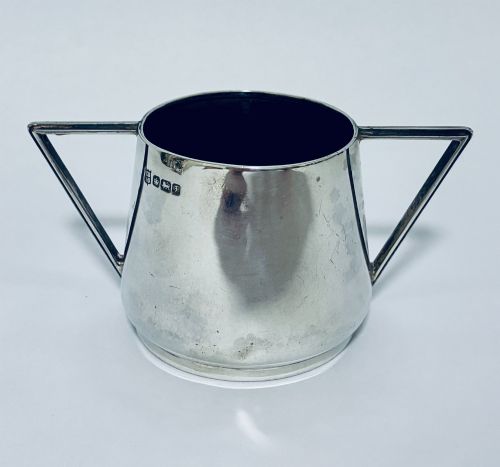
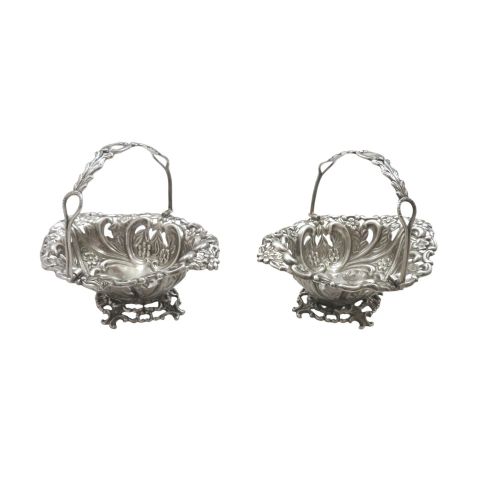
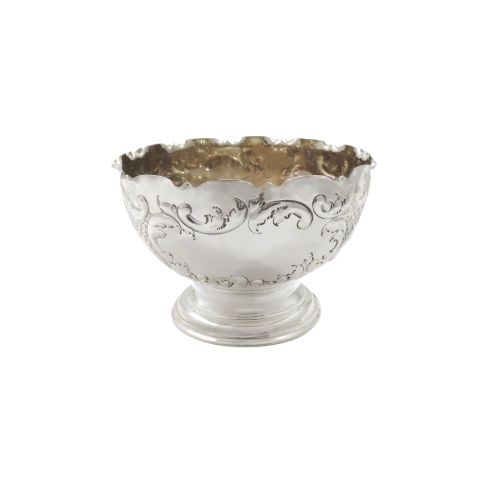
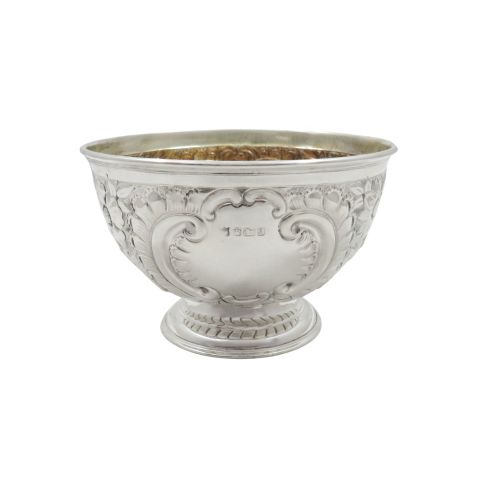
A sterling silver sugar bowl spans open footed basins, lidded urns, and swing-handled baskets designed to hold lump or loose sugar. The selection ranges from severe Georgian and Scottish silver forms to elaborate Victorian embossed models and later Art Deco and Art Nouveau vessels.
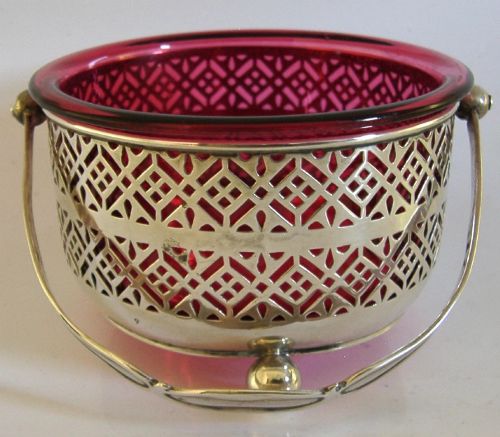
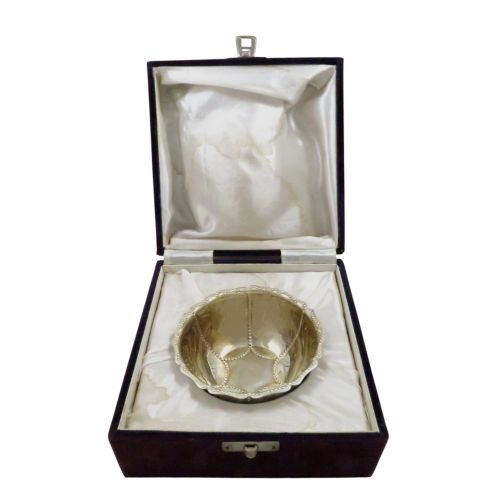
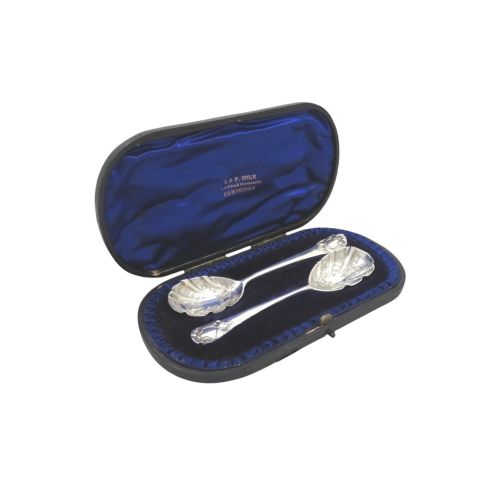
Many examples are accompanied by purpose-made sifter spoons, tongs, or complete tea and coffee service sets, often housed in fitted leatherette or velvet cases. Buyers will encounter both simple round bowls on pedestal feet and pierced fretwork baskets fitted with coloured glass liners.
How they were made
Silversmiths utilised sterling silver and solid silver, sometimes applying silver gilt or pairing the metal with cranberry glass, silk, and velvet linings. Construction methods combined hand-hammering, planishing, and piercing with cast floral handles and embossed foliage.
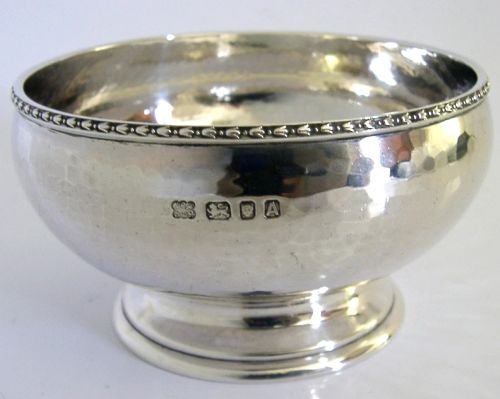
Makers shaped the metal through raising and spinning before applying intricate surface decoration, ranging from George III engraving to Art Nouveau organic motifs and Arts and Crafts planished textures.
Sterling Silver Sugar Bowl Retail Price Guide 2026
Typical asking prices for sterling silver sugar bowl among the pieces listed under this phrase on Sellingantiques today, from the lower quarter to the upper quarter. They describe what is for sale here now, not the wider market.
Materials documented across the inventory include sterling silver, silver gilt, cranberry glass, and velvet.
What varies in quality
Gauge and weight distinguish sturdier examples from lighter ones, with heavier gram weights providing a more substantial hand-feel. The integrity of cast elements, such as handles and feet, and the crispness of chased or pierced details separate standard production from superior work.
Completeness also drives distinction, particularly when pieces retain their original matched sifter spoons, fitted presentation cases, or intact glass liners.
Aldridge and Green·Henry Chawner·Fenton·Hammond Creake and Co·Joseph Craddock·Robert Hennell I·David Hennell II·Asprey·Walker and Hall·Paul Storr·Hukin and Heath
The Sterling Silver Sugar Bowl Glossary
- Sterling silver
- An alloy consisting of ninety-two point five percent silver by mass, with the remainder usually copper. This standard composition has defined British silver for centuries.
- Planished
- A surface texture created by repeatedly hammering metal with a polished round-faced hammer. This technique leaves small, controlled facets that catch the light.
- Pierced work
- Metal cut through in decorative patterns to create openwork lattices or fretted borders. It appears frequently on Georgian and Edwardian baskets.
- Silver gilt
- Sterling silver that has been coated with a thin layer of pure gold on its interior or exterior surfaces. This process prevents tarnishing from acidic contents.
- Sifter spoon
- A perforated spoon designed for dusting loose sugar over fruit or pastry. These items frequently accompany period sugar bowls.
Sterling Silver Sugar Bowl: Frequently Asked Questions
How do I clean a silver bowl?
Wash the vessel in warm soapy water using a soft cloth, then dry it thoroughly with a lint-free towel. Avoid harsh abrasive dips that strip the natural patina accumulated over the decades.
Store the piece away from rubber and damp environments to minimise tarnishing. Regular, gentle dusting keeps the surface bright without wearing down crisp hallmarks.
What is the difference between a bowl and a basket?
Sugar baskets typically feature a fixed or swing handle and are often pierced or lattice-worked for decorative effect. Bowls generally have open tops with twin handles or rest on solid pedestal feet.
Both forms served the same function on the tea table but reflect different stylistic periods and manufacturing techniques. Baskets more commonly date from the Georgian and Edwardian eras.
Are these bowls safe for daily use?
Solid silver is robust enough for everyday dining, provided you avoid acidic foods sitting in the vessel for extended periods. Modern use often shifts these bowls from sugar storage to holding small items or serving fruit.
Take care with pieces that feature delicate glass liners or thin antique gauges. Hand washing is mandatory to protect historic finishes and fitted cases.
How do I date a silver piece?
British silver relies on a system of hallmarks stamped directly into the metal, including a maker's mark, a standard mark, and a date letter. These town marks and sovereign profiles allow precise tracking of the year of manufacture.
Stylistic cues such as Art Nouveau whiplash lines or Georgian symmetry also offer broad chronological boundaries before reading the assay office marks.