
Antique Sterling Tableware
Antique sterling tableware comprises silver dining accessories forged to elevate the table, prized for their weight, brilliance, and utility.

What antique sterling tableware is
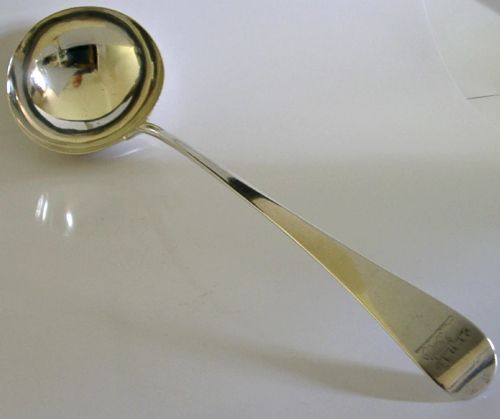
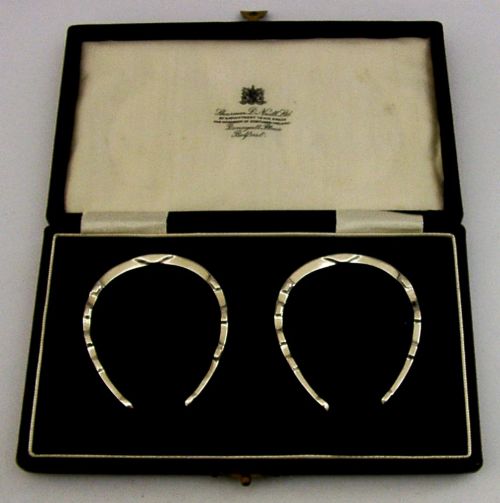
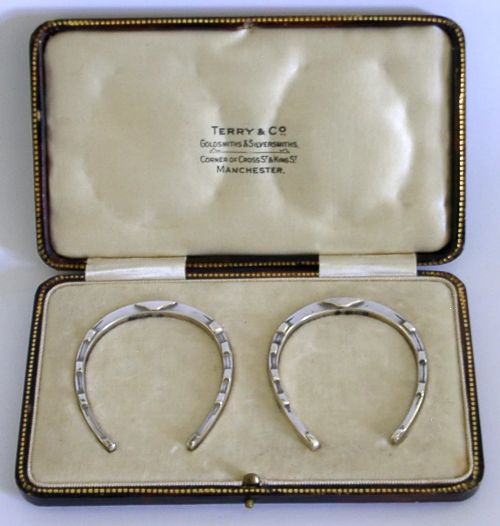
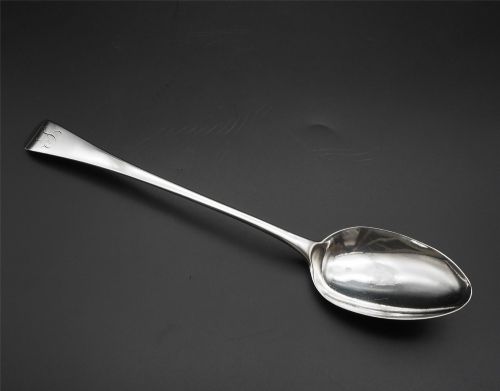
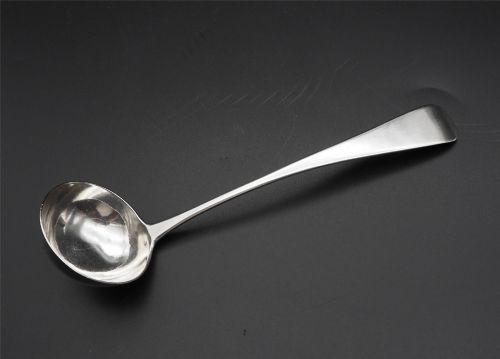
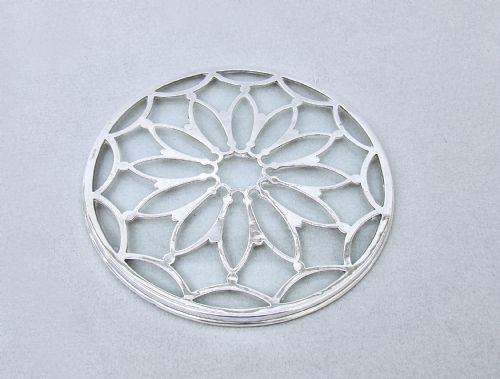
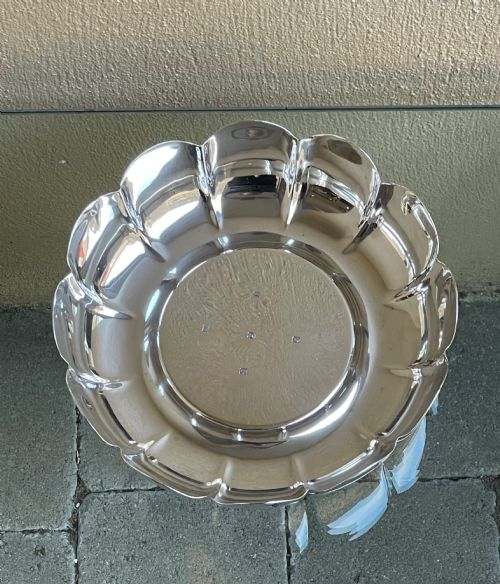
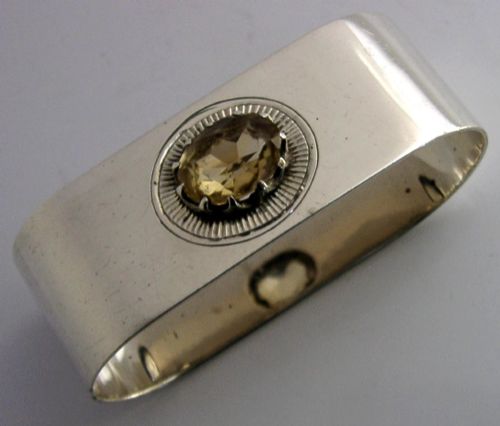
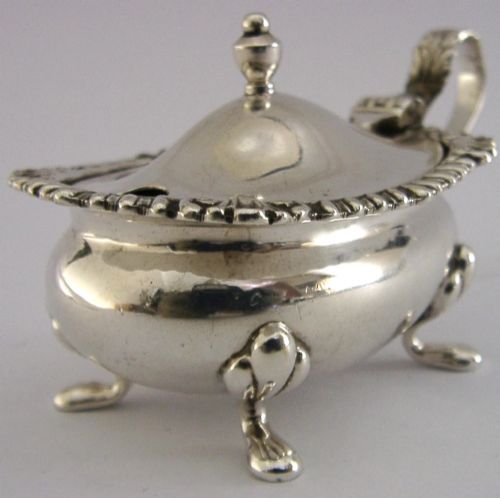
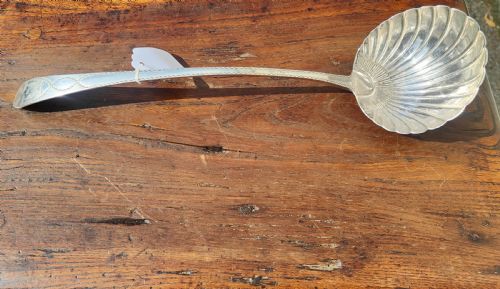
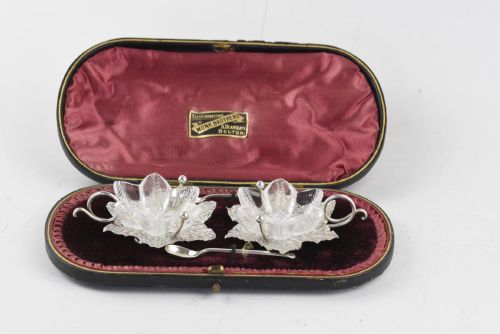
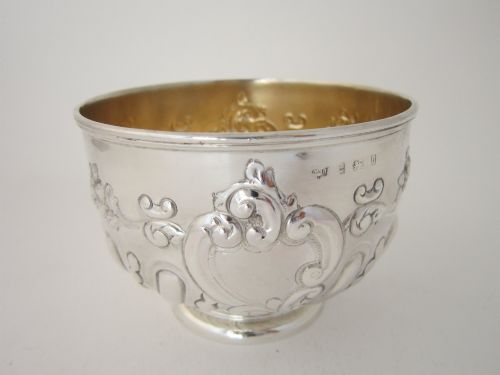
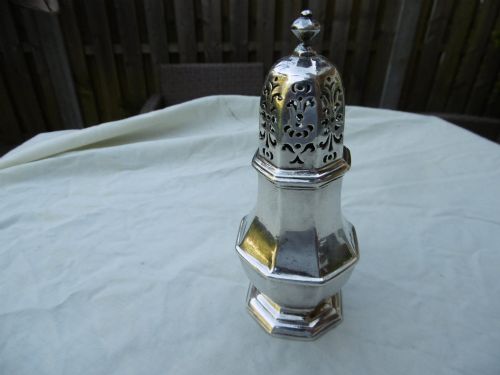
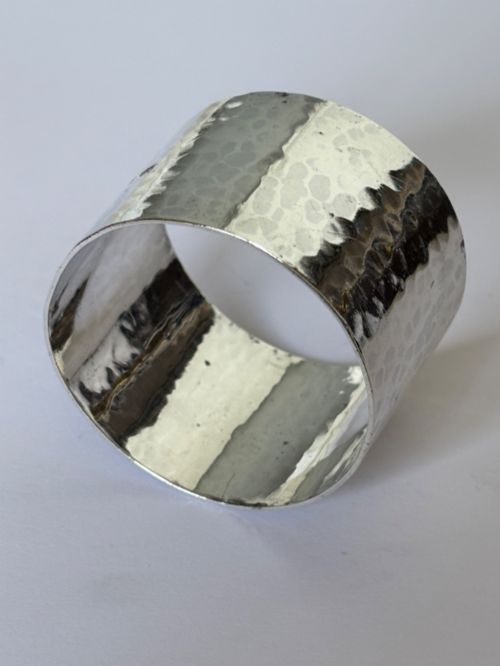
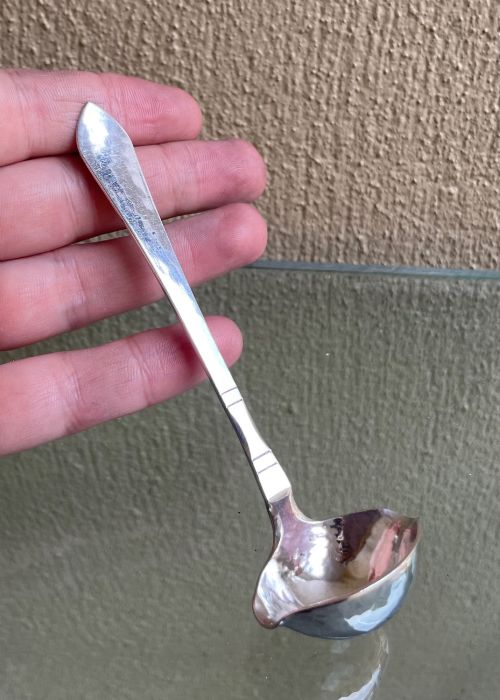
Antique sterling tableware encompasses functional dining items made from solid silver, spanning napkin rings, condiment pots, sugar casters, and sugar bowls. These pieces emerge from the Victorian, Edwardian, and Art Deco eras, displaying styles from Georgian Revival to Arts and Crafts.
Napkin rings and condiment pots represent the most common forms encountered on this page. They demonstrate how silver was shaped for everyday domestic use during the late nineteenth and early twentieth centuries.
How they were made
Objects are formed from sterling silver, occasionally set with stones such as citrine. Silversmiths utilised traditional manufacturing techniques to create cast and hammered vessels, applying precise punches and hallmarks.
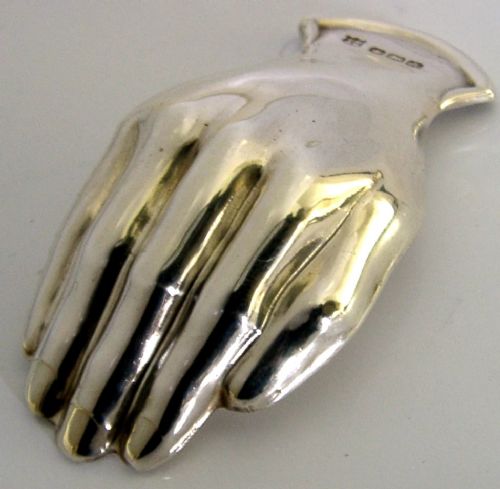
Makers struck their pieces with town marks, date letters, and maker's marks to certify the silver standard. Workshops in Birmingham and Chester produced these items, combining structural metalwork with functional compartments.
Retail Price Guide 2026
Typical UK retail prices for sterling tableware, calculated from the Sellingantiques database of over a million retail prices indexed since 2003. This retail price guide relies exclusively on Sellingantiques data; no external sources or auction records are used, so the figures do not describe the wider market.
Every piece bears the tiny punch marks of the silversmith's hammer, recording the exact town and year it met the assay master.
What varies in quality
Quality rests upon the thickness of the sterling silver sheet, the crispness of the maker's mark, and the refinement of the decorative detailing. Pieces featuring hand-hammered surfaces or integrated stone settings require greater skill than plain stamped equivalents.
The integrity of the form and the clarity of the hallmarks distinguish standard production wares from finer workshop examples. Maker attribution also influences distinction, as specific silversmiths command greater recognition for their output.
Alfred Marston·John Barrett
The Antique Sterling Tableware Glossary
- Sterling silver
- A silver alloy containing 92.5 percent pure silver and 7.5 percent other metals, usually copper, ensuring durability for tableware.
- Hallmark
- An official stamp applied by an assay office to guarantee the fineness of the precious metal, often including a date letter and maker's mark.
- Sugar caster
- A perforated jar or pot used for sprinkling sugar over food, standing on a footed base with a pierced dome top.
- Condiment pot
- A small vessel designed to hold table sauces or mustards, frequently fitted with a hinged lid and a blue glass liner.
Frequently Asked Questions
What is antique sterling tableware used for?
These silver items serve both decorative and functional purposes at the dining table. Napkin rings identify places, while casters and pots hold sugar and condiments.
Collectors display them as part of traditional table settings or integrate them into modern dining arrangements. Their solid construction makes them suitable for continued daily use.
How do I identify the date of sterling tableware?
Assay office hallmarks include specific letters that indicate the exact year the piece was tested and marked. Local registers match these letter shapes to specific decades.
Stylistic cues such as Arts and Crafts handwork or Art Deco geometry also help narrow down the period. Combining the hallmark date letter with the design style provides a precise chronology.
What periods do these silver pieces come from?
The available items originate predominantly from the late Victorian, Edwardian, and 1930s periods. Each era brings distinct aesthetic choices, from ornate Victorian styling to restrained Edwardian forms.
Revival styles also appear, reinterpreting earlier Georgian motifs within Edwardian workshops. This creates a bridge between historical design and twentieth-century manufacturing.
How do I care for antique silver tableware?
Regular, gentle cleaning with a specialised silver cloth prevents tarnish build-up without removing the underlying metal. Avoid harsh abrasive pastes that can soften engraved details and hallmarks.
Store pieces in dry conditions away from direct sunlight and rubber materials. Proper maintenance preserves the reflective finish and protects the integrity of the silver.