
Edwardian Sterling Silver Bowl
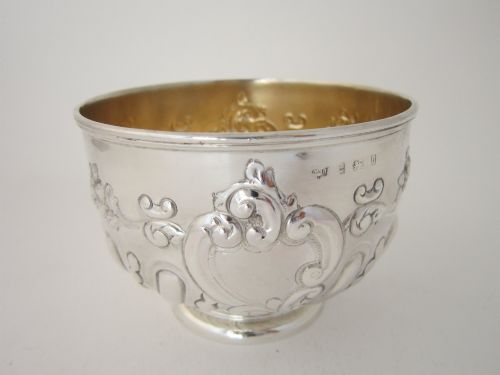
Sourced for their heft and decorative restraint, an edwardian sterling silver bowl brings functional elegance to any sideboard.
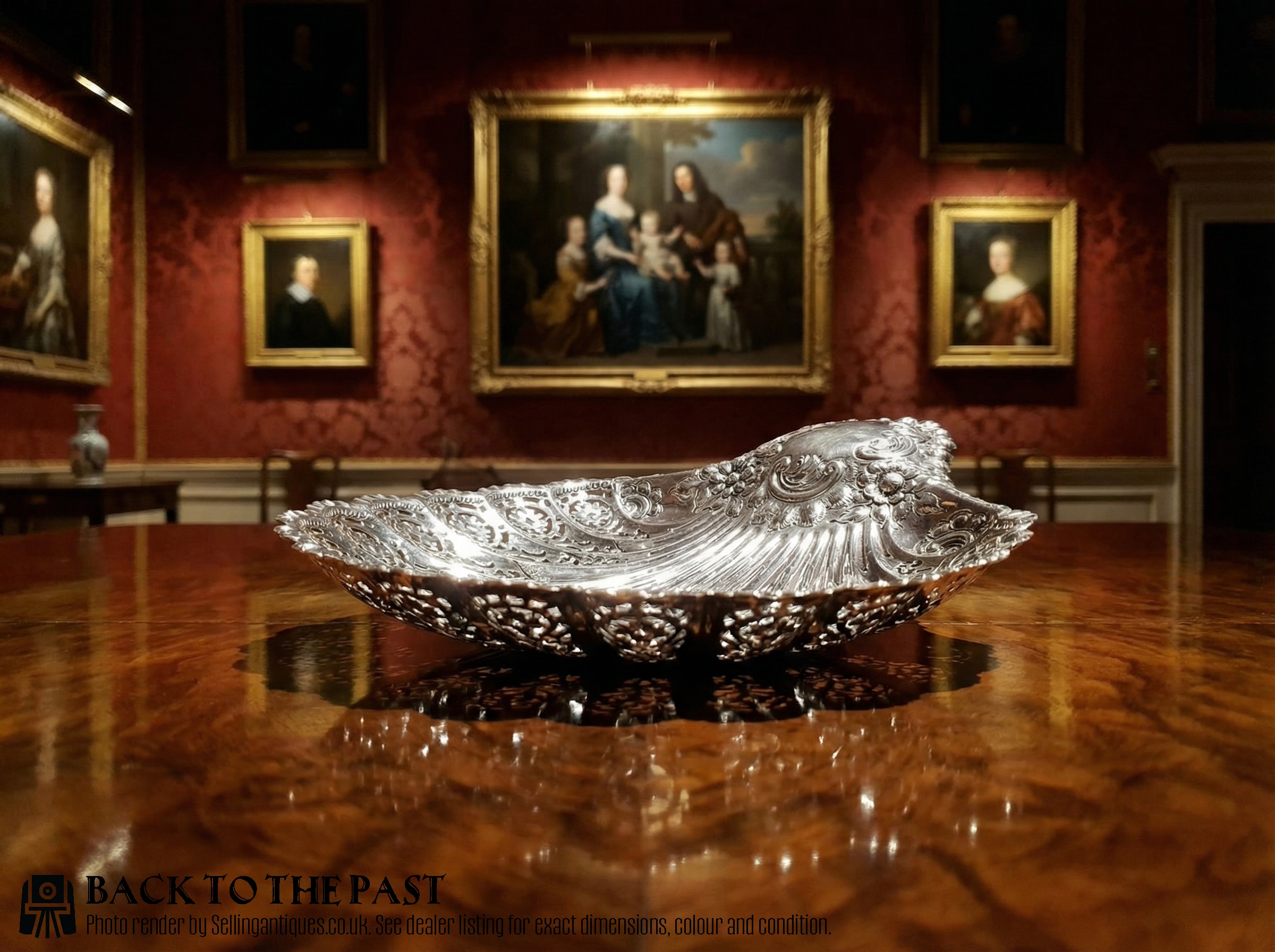
Edwardian Sterling Silver Bowl
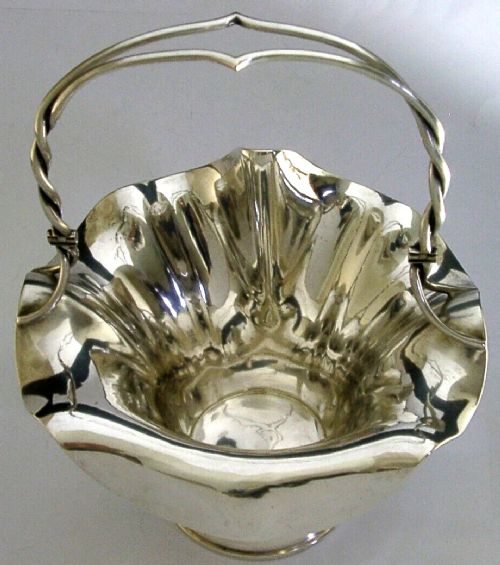
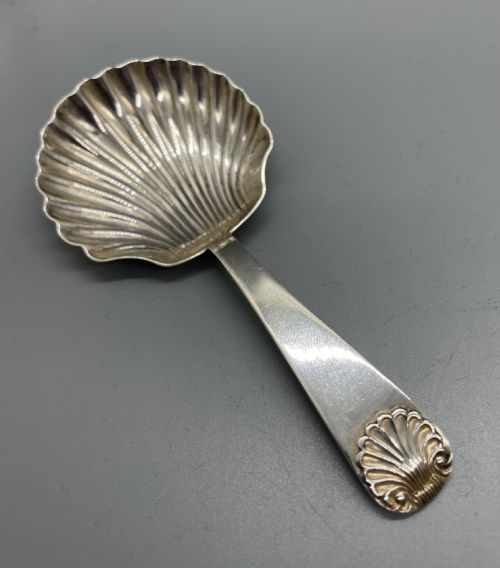
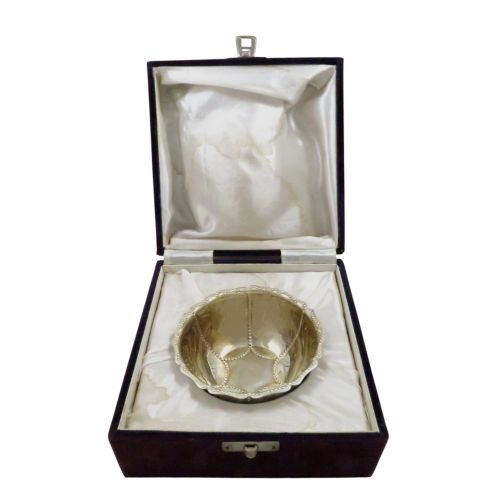
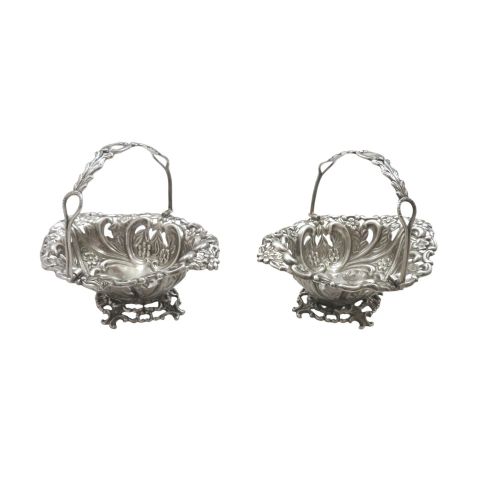
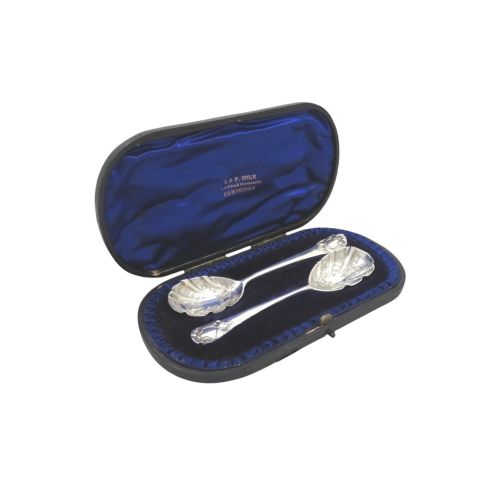
When searching for an edwardian sterling silver bowl, collectors encounter a diverse array of forms ranging from swing-handled baskets and footed sweet nut dishes to large presentation centrepieces and sugar bowls. The period produced items for formal dining, tea service and decorative display, reflecting the domestic habits of the early twentieth century.
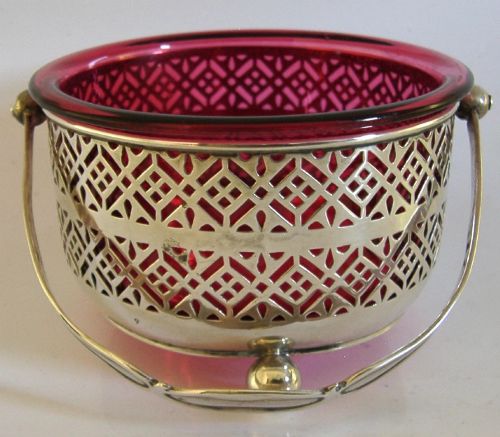
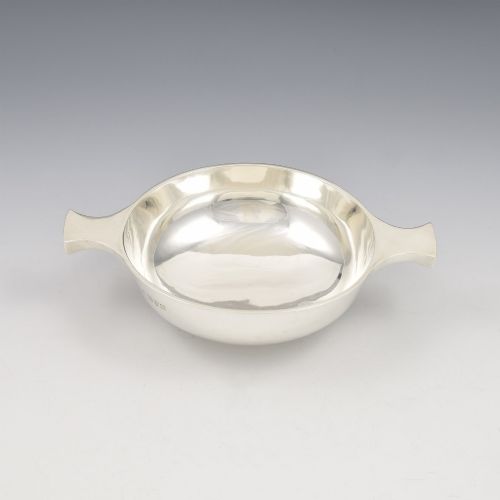
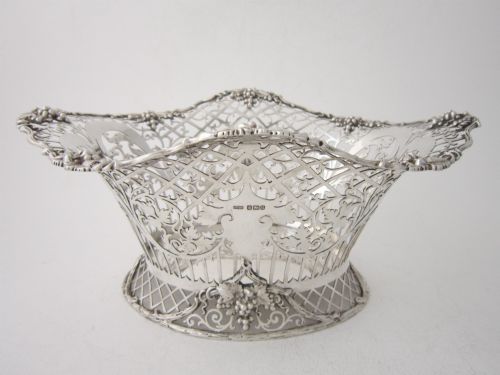
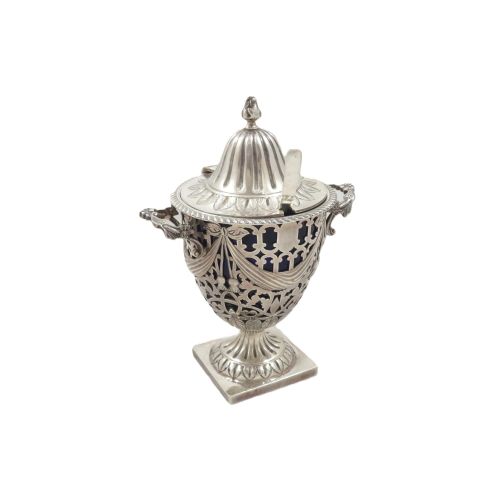
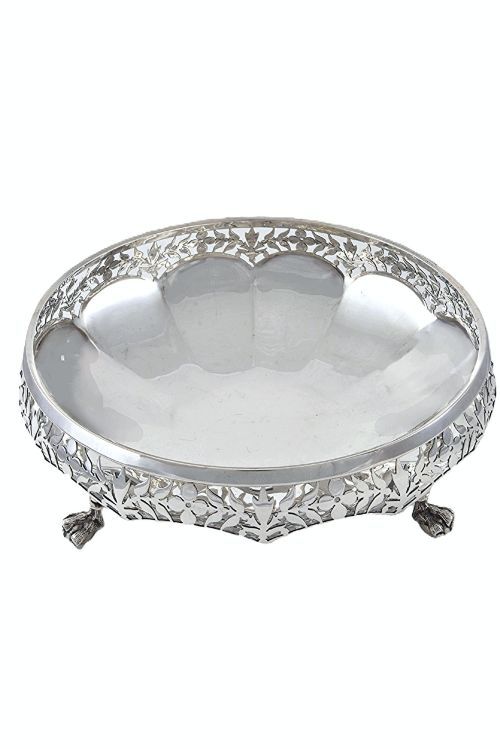
Many examples incorporate pierced lattice work, swing handles, or two-handle configurations influenced by earlier silver traditions like the Monteith. Alongside standard domestic bowls, related forms such as tazzas, porringers, and lidded sugar urns frequently appear under this classification.
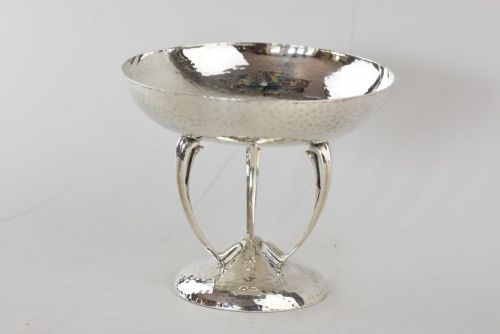
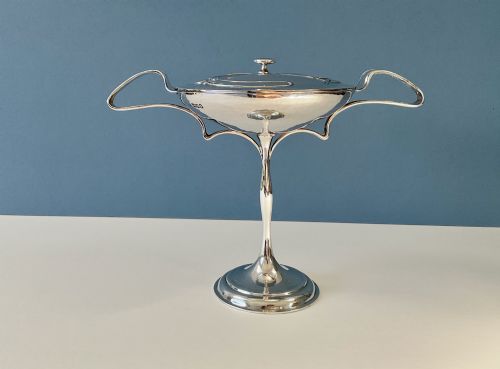
The aesthetic of these items bridges the ornate Victorian past with cleaner modern tastes, often showing restrained Edwardian styling alongside bolder Art Nouveau curves or Arts and Crafts hand-hammered surfaces.
Materials and construction methods
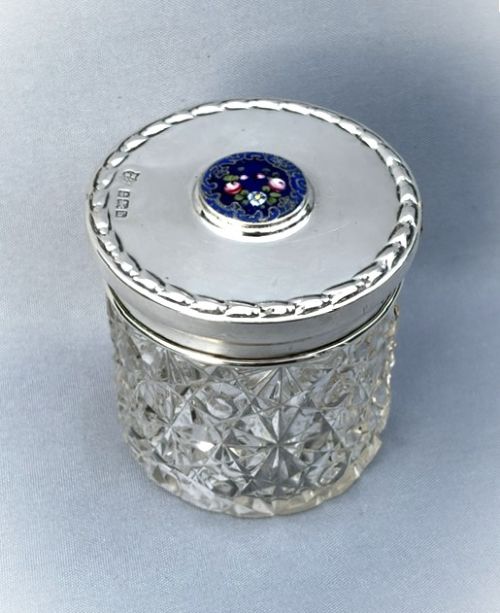
The primary material found across these items is solid sterling silver, frequently assayed in major British centres such as London, Birmingham, Sheffield, and Chester. Workshops also combined silver with contrasting elements, mounting precious metal rims and lids onto cut glass, cranberry glass, or crystal bodies.
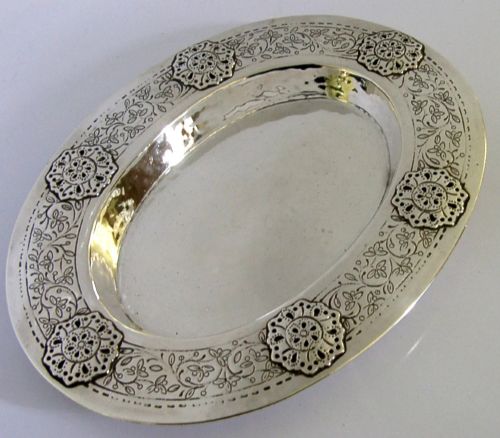
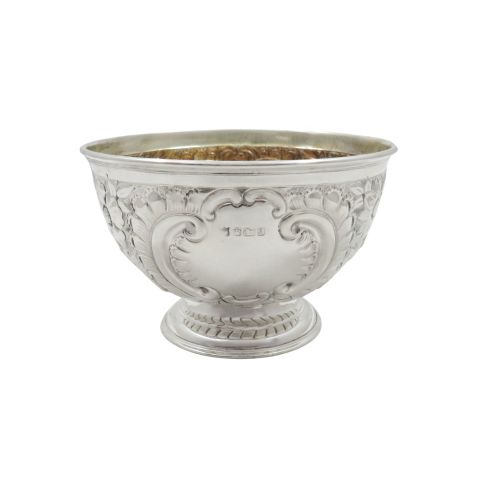
Silversmiths utilised traditional techniques including hand-hammering, piercing, and repoussé work to create textured surfaces and intricate openwork lattices. Structural elements like pedestal feet, swing handles, and applied cast borders were soldered securely to the main body during fabrication.
Edwardian Sterling Silver Bowl Retail Price Guide 2026
Typical asking prices for edwardian sterling silver bowl among the pieces listed under this phrase on Sellingantiques today, from the lower quarter to the upper quarter. They describe what is for sale here now, not the wider market.
Several makers produced specialised milk churn and sugar scuttle bowls, turning mundane dairy architecture into charming miniature silver tableware.
Distinguishing quality in silver bowls
The standard of an edwardian sterling silver bowl is defined by the weight of the metal and the crispness of its execution. Substantial weight provides a tactile solidity, whereas thinner gauge silver flexes under pressure and lacks the same durability.
Craftsmanship is evident in the precision of pierced lattice patterns, the balance of swing handles, and the clarity of maker marks and hallmarks. Pieces featuring hand-hammering or applied cast ornamentation demonstrate greater labour intensity than straightforward stamped equivalents.
Nathan and Hayes·Goldsmiths and Silversmiths Company·Liberty and Co·Charles Boyton·Walker and Hall·Joseph Rodgers·Mappin and Webb·Hamilton and Inches
The Edwardian Sterling Silver Bowl Glossary
- Sterling silver
- An alloy consisting of 92.5 percent pure silver and 7.5 percent other metals, usually copper, chosen for strength. This standard is indicated by the lion passant hallmark on British items.
- Hallmark
- An official stamp applied by an assay office confirming the purity of the metal, the year of manufacture, and the city of origin. These marks provide definitive historical documentation.
- Quaich
- A traditional two-handled drinking vessel or shallow bowl of Scottish origin. It translates well into decorative silver serving forms.
- Tazza
- A shallow ornamental bowl raised on a pedestal foot and stem. It functions primarily as a centrepiece or fruit dish.
- Piercing
- A decorative technique involving the cutting or sawing of geometric or floral openings through the silver wall. It lightens the visual weight of large presentation pieces.
Edwardian Sterling Silver Bowl: Frequently Asked Questions
How were these bowls used originally?
These vessels served various domestic functions in the early twentieth century, ranging from holding fruit, sugar, and sweet nuts to functioning as decorative centrepieces on dining tables. Many smaller versions were utilised as presentation pieces, christening bowls, or vanity items.
Their presence in a household marked formal dining customs and the social rituals of tea and hospitality. Later, households adapted them for general floral arrangements and desktop storage.
How do I care for solid silver bowls?
Maintenance requires occasional polishing with a soft cloth and a reputable silver cream to remove natural tarnish without abrading the surface. Avoid harsh chemical dips, which can strip away the darker highlights in engraved or chased details.
Store the items away from direct sunlight and damp environments to slow the oxidation process. If the bowl includes glass or enamel inserts, clean those sections separately with gentle soap and water.
How can I tell Edwardian silver from Victorian pieces?
Dating relies primarily on the assay office hallmarks stamped directly onto the silver, which record the exact year letter for manufacture. Stylistically, Edwardian pieces often lean towards lighter, airier neoclassical revivals or fluid Art Nouveau motifs compared to heavier Victorian ornamentation.
The transition around nineteen hundred brought a distinct shift toward brighter, less cluttered decorative schemes. Examining the date letter alongside the maker mark remains the definitive method for verification.
Can these bowls be used for food today?
Solid sterling silver is naturally safe for serving dry or cold foods such as fruit, nuts, and confectioneries. Acidic foods should not be left in silver vessels for extended periods to prevent surface pitting.
Items paired with glass or crystal inserts allow for liquid or moist foods without placing substances directly against the metal. Regular washing with mild dish soap preserves the metal after culinary use.