




Silver Butter Dish
A silver butter dish brings nineteenth-century dining elegance directly to the table, combining functional tableware with ornate metalwork and glass.
What these pieces are
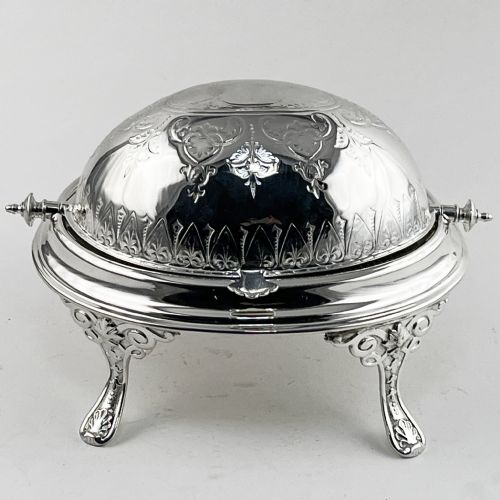
A silver butter dish serves as a refined receptacle for dairy at the dining table, taking forms from simple circular vessels to sculptural shells and lidded containers. When exploring this selection, buyers encounter Victorian designs alongside Georgian and later twentieth-century examples.
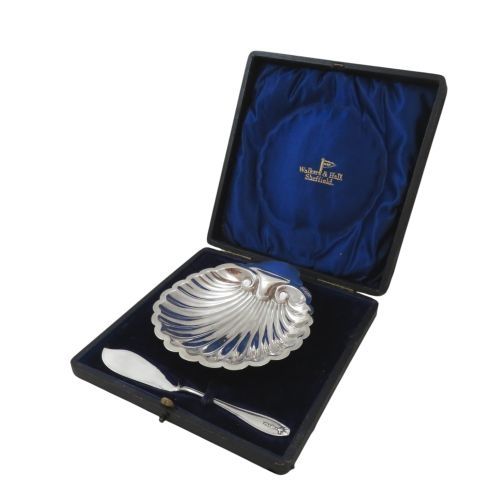
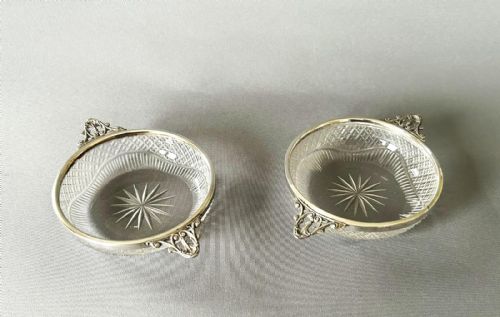
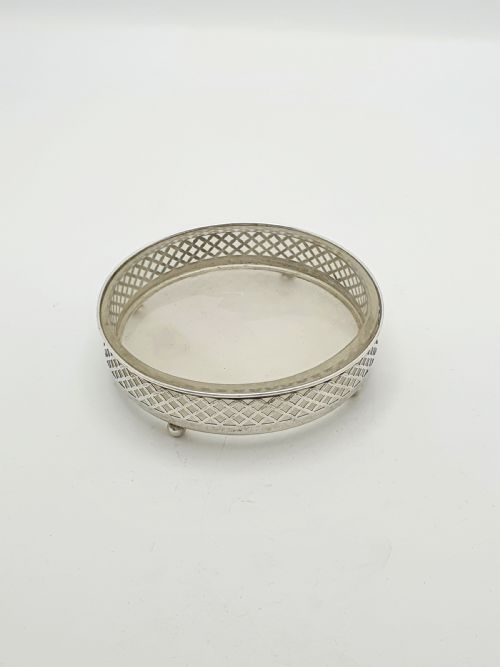
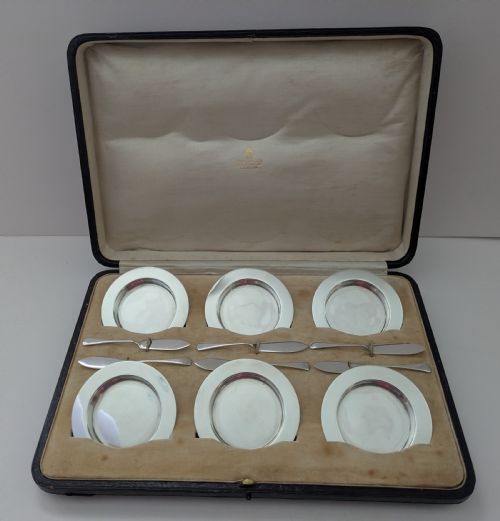
The evidence shows frequent appearances of glass liners paired with silver or silver-plated frames, as well as distinct shell motifs and figural elements such as cows and cherubs. These pieces range from individual table settings to large, boxed presentation sets complete with matching knives.
How they were made
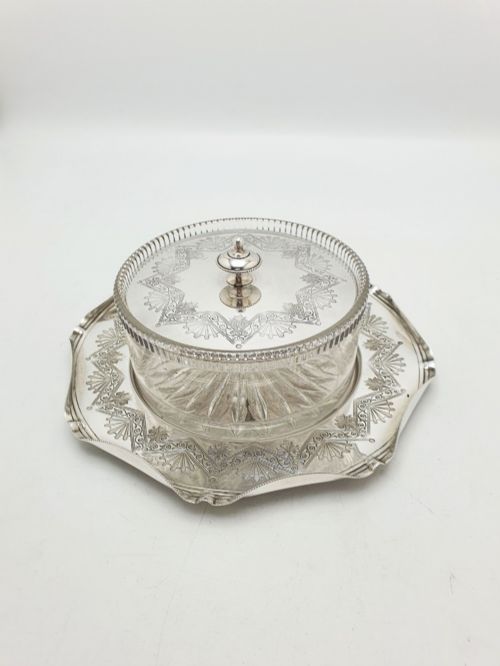
Silversmiths utilised solid sterling silver or applied silver plate over base metals, shaping the metal through casting, piercing, and engraving. Many vessels incorporate cut crystal, frosted glass, or ceramic liners designed to fit precisely within the outer metal framework.
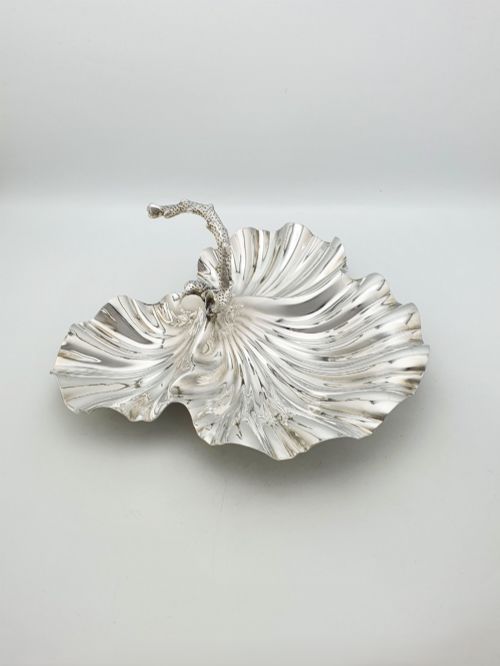
Detailing often involved cast figural finials like cows or decorative shell designs, alongside hand-pierced galleries and engraved ornamentation characteristic of Victorian and Georgian workshops.
The archive reveals silver butter dishes spanning from George II shell forms through Victorian cut glass designs to Art Deco silver.
What varies in quality
The distinction between standard tableware and finer examples lies in the weight of the silver, the depth of the chasing, and the integration of cast decorative elements such as handles and finials. Superior pieces display crisp definition in Rococo scrolls, animal figures, or pierced patterns rather than soft, mass-produced stampings.
The preservation of original components also dictates quality, particularly where hand-cut crystal, frosted glass liners, or matching knives remain intact with the main silver body.
Elkington·Edward and John Barnard·Mappin and Webb·Edward Souter Barnsley·Stephen Smith
The Silver Butter Dish Glossary
- Silver plate
- A thin layer of silver fused or electroplated onto a base metal such as copper or Britannia metal. This technique offered the visual appeal of solid silver at a lower cost during the Victorian era.
- Shell dish
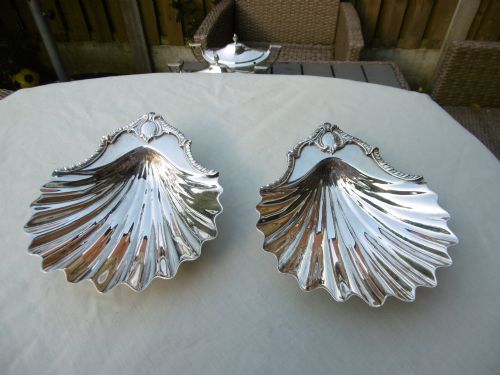
- A tableware form shaped and ribbed to resemble a scallop or clam shell. These were frequently utilised in pairs for butter or salt during the Georgian and Victorian periods.
- Finial
- A decorative knob or figure positioned on the lid of a vessel. In butter dishes, these frequently take the form of animals such as cows.
- Glass liner
- A removable insert of clear, cut, or frosted glass that sits inside the metal framework of the dish. It protects the silver from the fats in the butter and allows for easy cleaning.
- Sterling silver
- An alloy consisting of a high purity of silver combined with small amounts of other metals to ensure durability. British pieces typically bear standard hallmarks indicating this composition.
Frequently Asked Questions
What is a silver butter dish?
A silver butter dish is a decorative tableware item created to hold and present butter at the dining table. They typically combine a metal stand or lidded container with a glass, ceramic, or crystal liner.
Historically used in wealthy households, these pieces range from simple scallop shells to elaborate revolving designs and figural containers featuring cows or cherubs.
How were antique butter dishes used?
These dishes held butter during formal breakfasts, luncheons, and dinner parties, keeping the dairy cool and covered on the sideboard or dining table. Many included specialised spreaders, knives, or matching spoons.
Boxed sets indicate they were also popular wedding gifts or presentation pieces for affluent households in the nineteenth and early twentieth centuries.
How do I care for a silver butter dish?
Regular gentle washing in warm soapy water preserves both the metal and any accompanying glass or ceramic liner. Avoid abrasive cleaners that can damage silver plate or delicate engravings.
Storing the pieces dry and using appropriate silver polish occasionally will maintain the lustre of the metal without wearing away thin plating.
How can I tell the period of a piece?
British pieces often feature hallmarks stamped into the metal, which indicate the assay office, the year of manufacture, and the maker's mark. Stylistic clues such as Rococo revival scrolls or Art Deco geometric lines also help date the object.
Design elements like cast shell forms or specific figural finials frequently align with Victorian, Georgian, or Edwardian manufacturing trends.