


Victorian Silver Butter Dish
A victorian silver butter dish brings nineteenth-century dining ceremony to the modern table, combining practical tableware with sculptural metalwork.
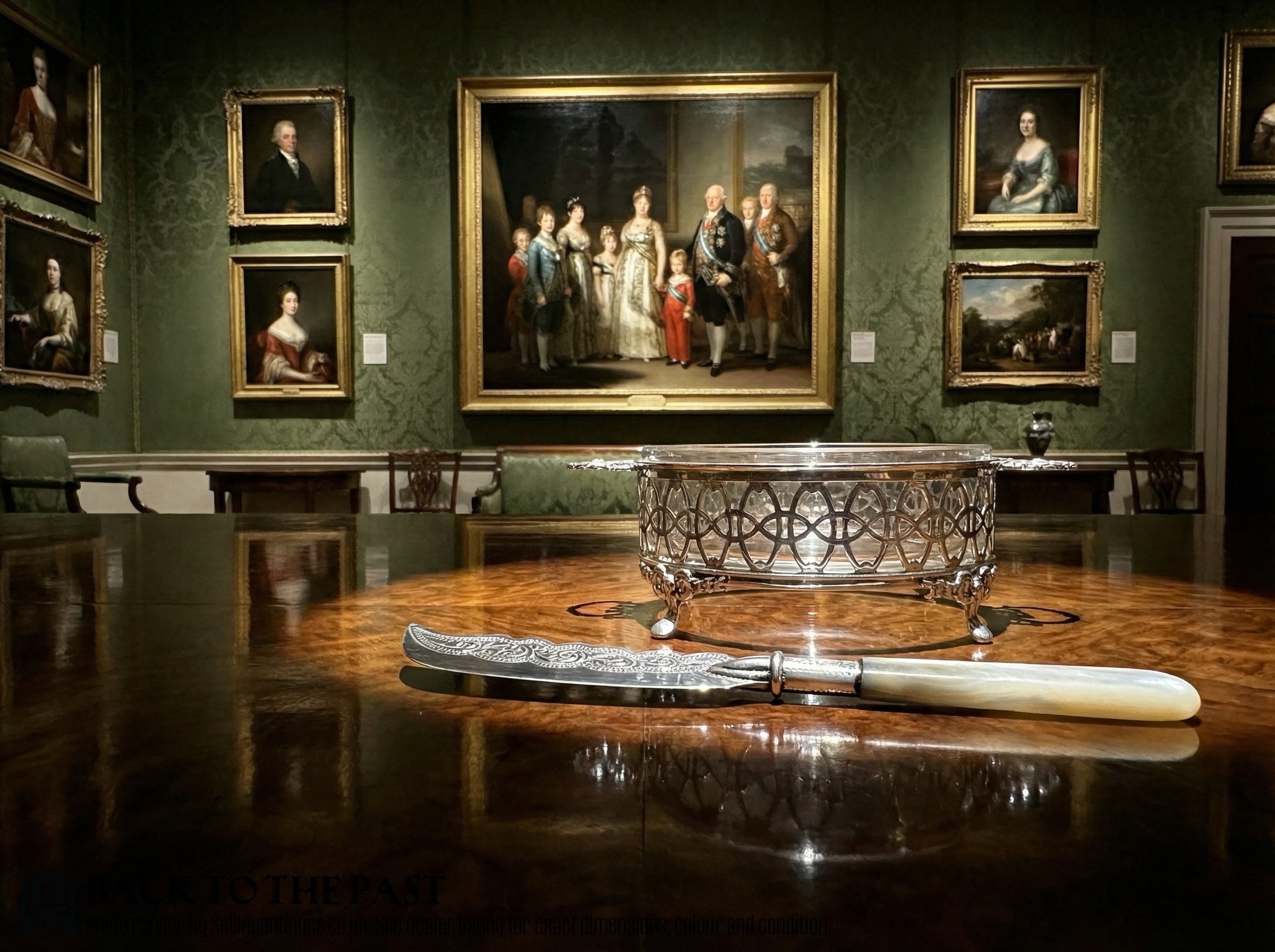
Victorian Silver Butter Dish
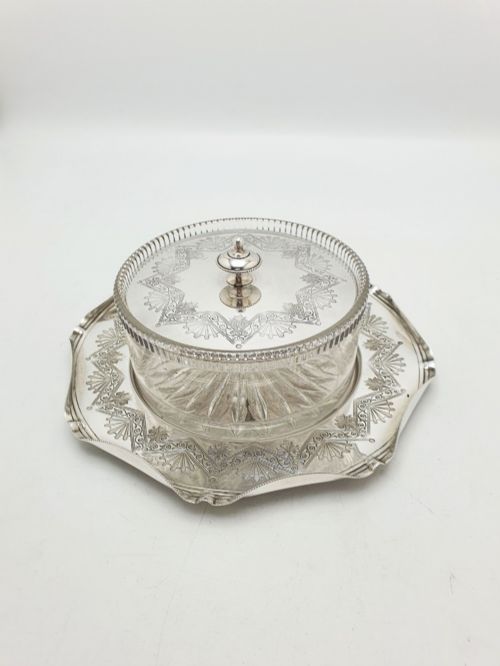
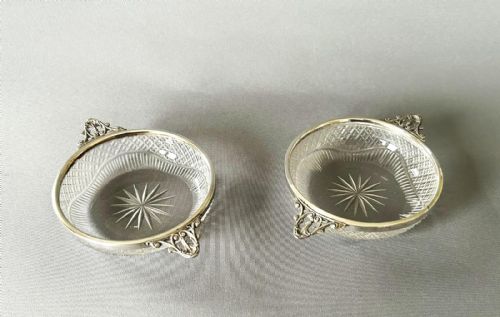
When you search for a victorian silver butter dish, you encounter a specialised form of serveware designed for the Victorian dining table. These pieces frequently combine metal frames with fitted glass inserts, including cut, frosted and opaline varieties.
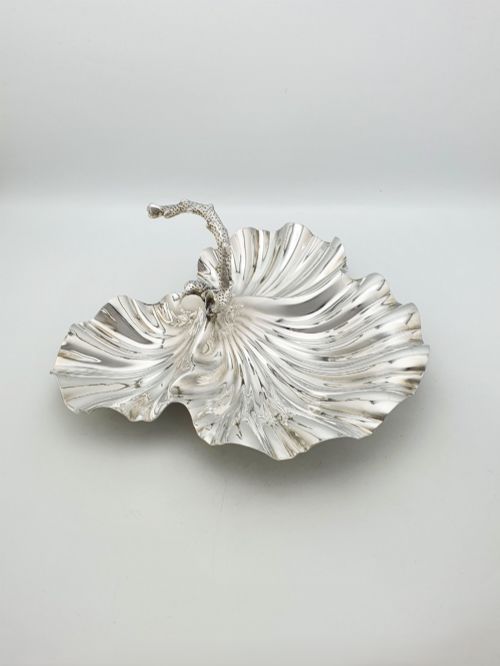
The objects span solid sterling silver and silver plate, alongside combinations with oak, china liners and mother-of-pearl details. Common configurations range from shell shapes and leaf designs to revolving lidded mechanisms and novelty animal motifs.
You meet examples dating from the mid-nineteenth century through to the early twentieth century, reflecting both domestic use and elaborate Victorian naturalism. The surviving corpus encompasses simple lidded vessels as well as complex revolving preserve dishes.
Materials and Construction
Makers utilised solid sterling silver and electroplated nickel silver over a base metal foundation, combining these with blown and moulded glass liners. Casting and piercing techniques created ornamental shell motifs, pierced galleries and figural elements such as rams heads and coral handles.
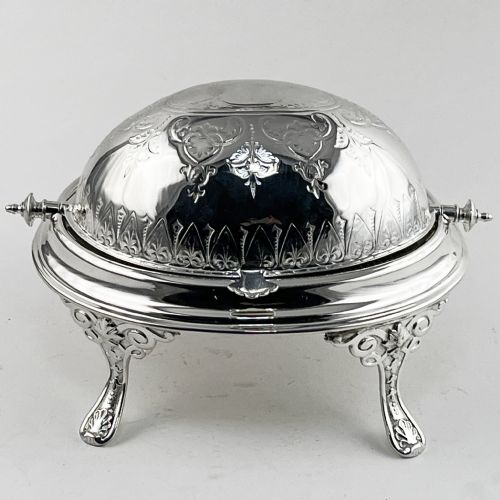
Revolving and rollover lidded mechanisms required precise engineering to ensure smooth movement of the roll-over hood within the metal frame. Oak and china components were similarly fitted to metal mounts, alongside the addition of mother-of-pearl handles on accompanying knives.
Listings feature periods spanning from the 1840s through to the 1940s, alongside materials including mother-of-pearl, frosted glass and oak.
Quality Factors
Distinction across the range lies in the weight of the silver or plating and the complexity of the cast ornament, such as sculptural cow finials or detailed giant clam shells. Hand-chased decoration and crisply pierced galleries separate standard production from more ambitious smithing.
The integrity of the original glass liner, whether cut, frosted, opaline or blue and white, influences the completeness of the piece. Crisp hallmarks on solid silver items and smooth mechanical action on revolving lidded versions indicate superior original manufacture.
Elkington·Edward and John Barnard·Stephen Smith·Martin Hall·Josiah Williams and Co·Thomas Harwood
The Victorian Silver Butter Dish Glossary
- Silver Plate
- A thin layer of silver applied to a base metal substrate, common in Victorian serveware production. This technique allowed makers to achieve the appearance of solid silver at a lower manufacturing cost.
- Electroplated Nickel Silver
- A copper-nickel-zinc alloy coated with silver via an electrolytic process, widely adopted in the nineteenth century. It forms the rigid structure beneath many revolving butter dishes.
- Cut Glass
- Glass shaped and patterned by abrasive wheel cutting, frequently used for the internal liners of butter dishes. The facets refract light beneath the pierced metal frames.
- Opaline Glass
- An opaque, pale glass with a milky appearance, utilised for certain Victorian dish liners. It provides a smooth, non-porous surface for dairy products.
- Sterling Silver
- An alloy consisting of silver and other metals, predominantly copper, standard for solid silver tableware. Items in this alloy often bear hallmarks indicating assay office and date.
Victorian Silver Butter Dish: Frequently Asked Questions
What were victorian silver butter dishes used for?
These vessels served butter at the Victorian dining table, keeping the dairy cool and protected beneath a fitted lid.
They functioned as both practical tableware and decorative centrepieces during formal meals.
How do revolving lidded butter dishes work?
A semi-cylindrical metal lid rolls backward on a pivot mechanism inside the frame to reveal the glass liner.
This design kept the butter covered while allowing guests to serve themselves at the table.
Are glass liners original to the dishes?
Many pieces retain their original cut, frosted, opaline or plain glass liners, shaped specifically to fit the silver or plated frames.
Replacements do occur due to accidental breakage over the decades since manufacture.
How do I date a victorian butter dish?
Solid silver versions carry assay office marks, date letters and maker stamps that reveal the exact year of production.
Silver-plated pieces rely on stylistic indicators such as naturalistic shell designs or Victorian aesthetic movement motifs.