



Sterling Silver Butter Dish
These sterling silver butter dish examples range from Georgian scallop shells to Art Deco glass liners, offering refined elegance for the table.
Understanding the Sterling Silver Butter Dish
A sterling silver butter dish serves as a refined vessel for table service, appearing in forms from naturalistic shells to lidded boxes and glass-lined holders. When you search for a sterling silver butter dish, you encounter designs spanning the Georgian, Victorian, Edwardian, Art Deco, and Mid-Century Modern periods.
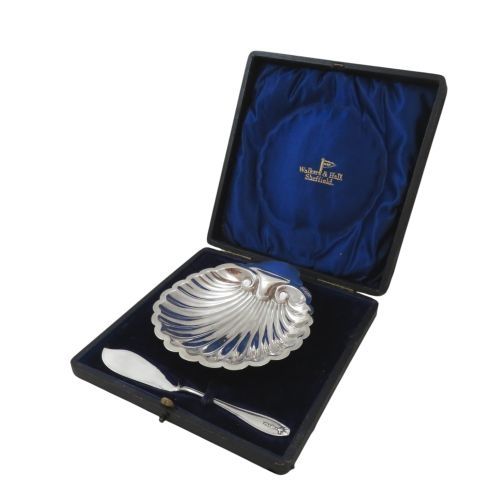
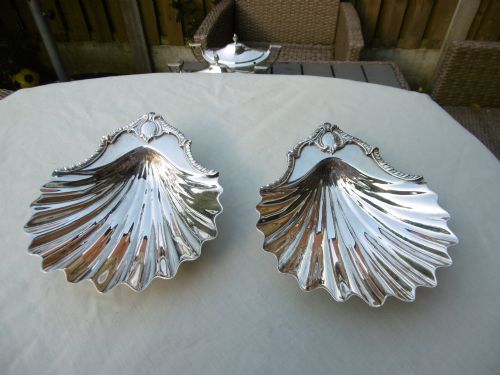
Scallop shells form a recurrent motif, often cast as pairs with matching knives or fitted cases. More elaborate Victorian and Edwardian examples incorporate cut crystal glass liners, velvet or silk interior linings, and figural ornaments such as cows, cherubs, and butterflies.
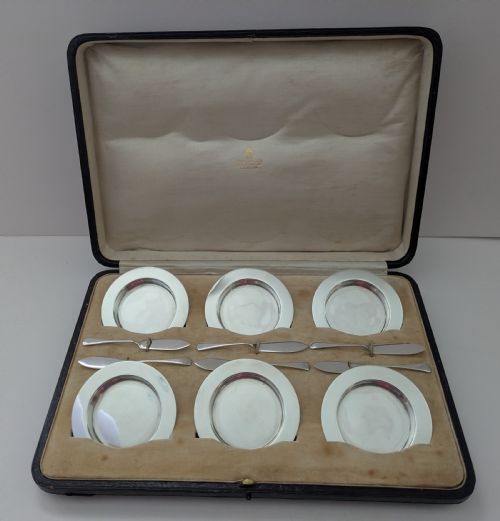
The objects vary from simple open dishes to complex pieces featuring pierced metalwork, engraved coats of arms, and Islamic design influences. Matching knives, spreaders, and spoons frequently accompany the silver vessels to complete the service.
Materials and Craftsmanship
Silversmiths constructed these pieces primarily from solid sterling silver, frequently pairing the metal with transparent cut glass or crystal liners. Internal elements occasionally feature velvet or silk linings, particularly within fitted presentation cases.
Makers employed techniques such as piercing, casting, and hand-engraving to achieve intricate decorative motifs like cherubs, butterflies, and heraldic coats of arms. Shell-shaped dishes utilise natural forms adapted into functional tableware through skilled silversmithing.
Retail Price Guide 2026
Typical UK retail prices for sterling silver butter dish, calculated from the Sellingantiques database of over a million retail prices indexed since 2003. This retail price guide relies exclusively on Sellingantiques data; no external sources or auction records are used, so the figures do not describe the wider market.
Victorian silversmiths occasionally rendered cows emerging from pasture directly onto the butter dish.
Distinctions in Quality
The standard of a piece rests upon the crispness of its cast ornament and the depth of its hand-engraving. Fine examples show sharp definition in figural elements like cows or cherubs, whereas lesser pieces lose detail in their relief work.
Completeness dictates upper tiers of value, particularly when original fitted presentation cases, matching knives, spreaders, or matching glass liners remain intact. Superior weight of silver and documented maker attribution further elevate the standing of a vessel.
William Plummer·Adie Brothers·Edward and John Barnard
The Sterling Silver Butter Dish Glossary
- Sterling silver
- An alloy containing 92.5 percent silver by mass, with the remainder composed of other metals such as copper to increase durability. This standard grade applies to all genuine pieces on this page.
- Butter shell
- A small dish cast in the naturalistic shape of a scallop shell, typically supported on small feet or resting flat on the table. These often occur in matched pairs.
- Cut glass liner
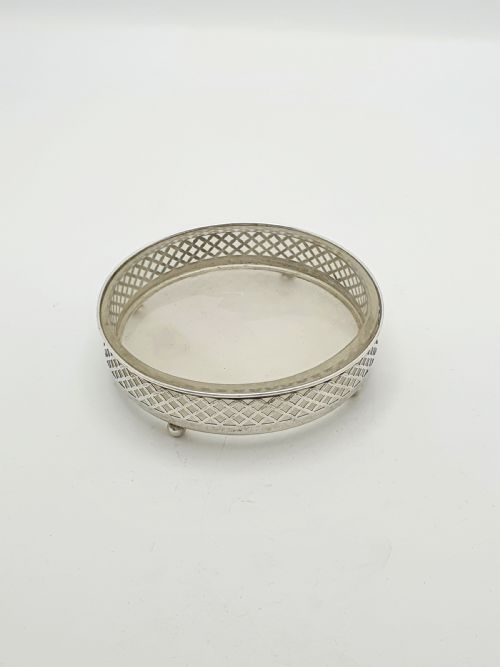
- A vessel of heavy, faceted glass designed to sit inside an openwork or pierced silver frame, protecting the metal from dairy fats and easing cleaning.
- Pierced work
- A decorative technique where portions of the metal sheet are cut out to create open geometric or floral patterns. This technique lightens the visual weight of the silver.
- Fitted case
- A custom-made presentation box lined with silk or velvet, shaped to hold a butter dish alongside a matching knife or spoon.
Frequently Asked Questions
How were sterling silver butter dishes used historically?
These dishes held fresh dairy butter for formal dining tables, often accompanied by dedicated silver knives, spreaders, or small spoons.
Wealthy households used them during breakfast services or afternoon teas, presenting portions of butter kept cool or protected within glass liners and fitted lids.
Can I still use an antique butter dish today?
Solid silver is durable enough for regular table service, provided you clean it gently after contact with dairy fats. Glass liners protect the metal frame and make daily use practical.
Many collectors prefer to use cased shell dishes or lidded boxes for entertaining, adding period elegance to modern dining.
How do I identify the date of a silver butter dish?
British pieces carry hallmarks that include date letters, city assay marks, and lion passant standards denoting sterling silver quality.
Stylistic cues also help, as Georgian shell forms differ markedly from geometric Art Deco designs or ornate Victorian figural scenes.
Why do some butter dishes include glass inserts?
Glass liners prevented the acidic properties of butter and salt from tarnishing or corroding the silver over prolonged periods of use.
Cut crystal and glass inserts also added brilliant light reflection against the polished silver frames during dining.