


Cased Silver Tableware
Cased silver tableware brings together fitted presentation boxes and precious metal dining utensils made to be given as gifts or stored securely.
Cased Silver Tableware
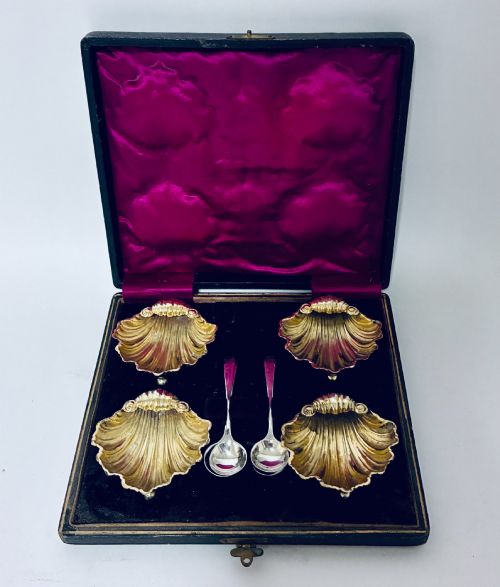
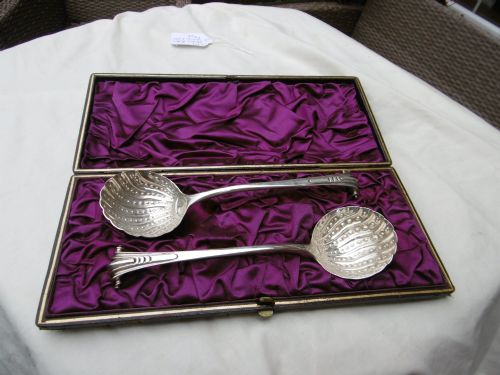
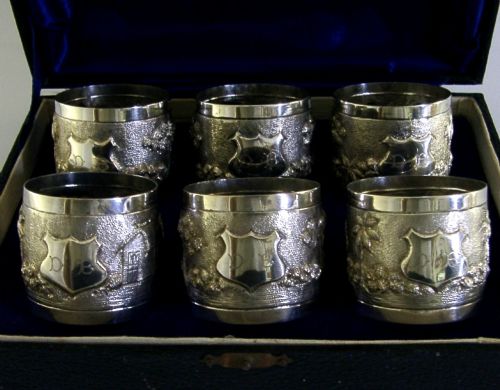
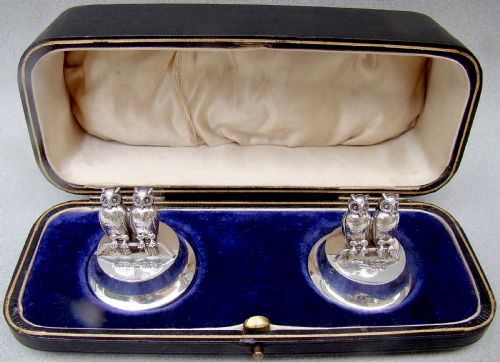
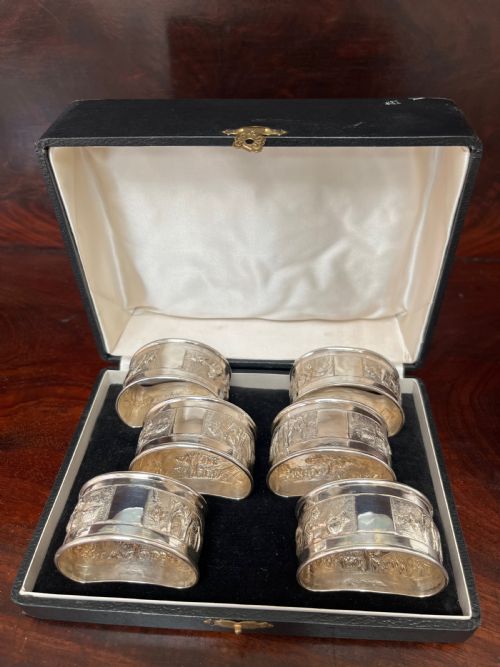
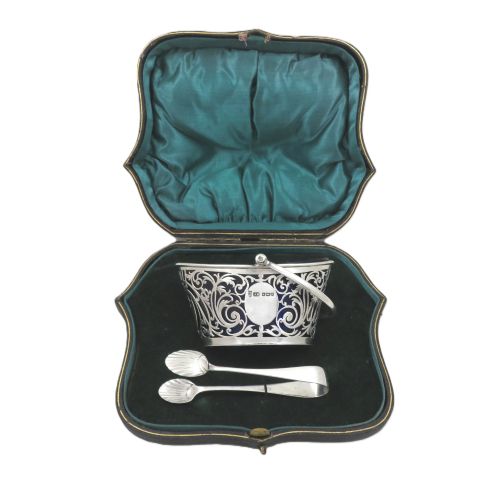
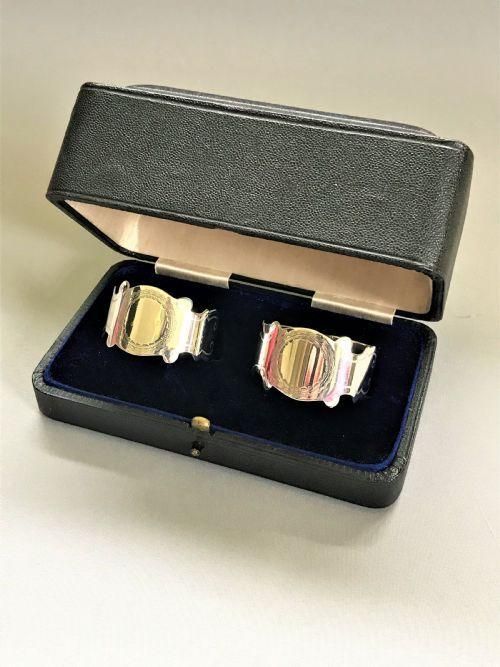
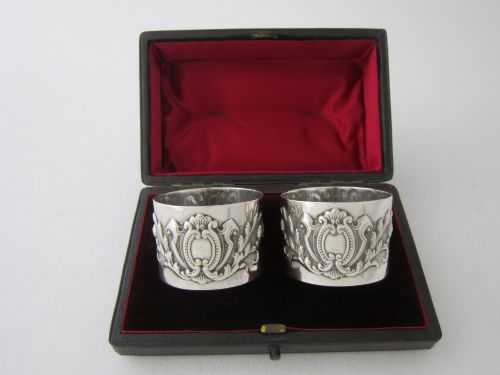
When you search for cased silver tableware, you encounter sets designed for specific dining tasks, ranging from individual napkin rings to elaborate cruet sets, butter dishes, and grape scissors. The Victorian and Edwardian periods dominate these selections, often presenting matched utensils nestled inside custom-built receptacles.
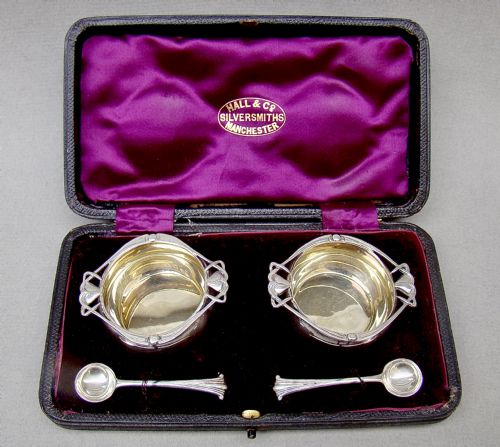
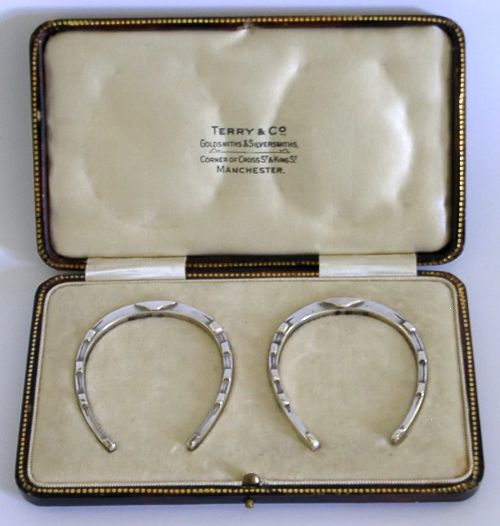
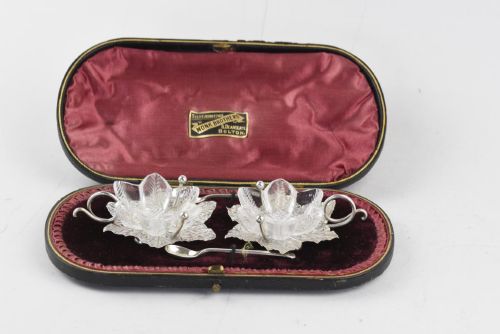
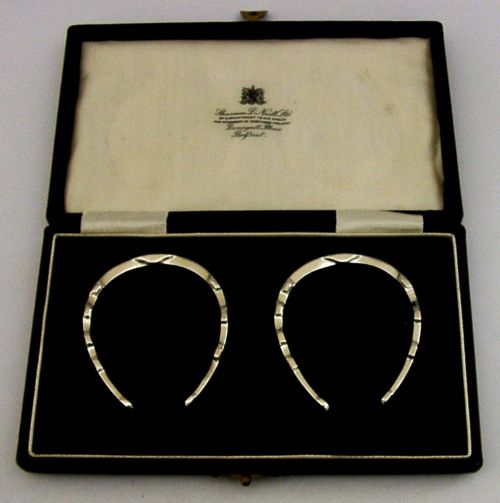
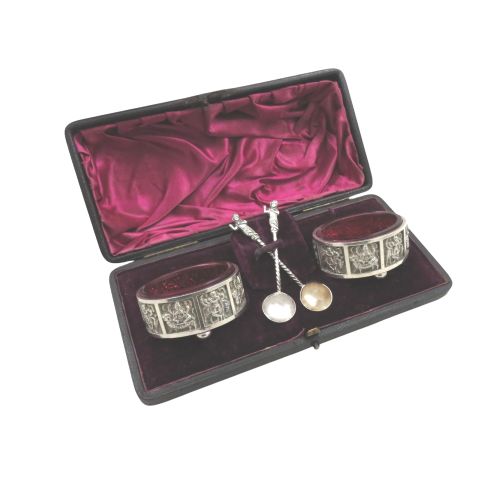
Napkin rings appear frequently, sometimes shaped as horseshoes, belt buckles, or plain bands, whilst serving spoons and salt cellars with glass liners offer further variety. Most pieces originate from British workshops active between the late nineteenth century and the interwar decades, reflecting formal dining habits of those eras.
The objects combine utility with ceremonial presentation, housed in rigid containers that preserve the finish of the metal. These groupings capture a period when matching dining accessories formed a standard part of domestic hospitality and gift-giving.
Materials and Construction
The tableware relies on sterling silver or silver plate, shaped through casting, hammering, and engraving, whilst internal compartments utilise softer fabrics like silk, velvet, or satin to cushion the metal components. Exterior casing typically employs leather or leatherette stretched over wooden or card foundations, fitted with metal clasps and hinges.
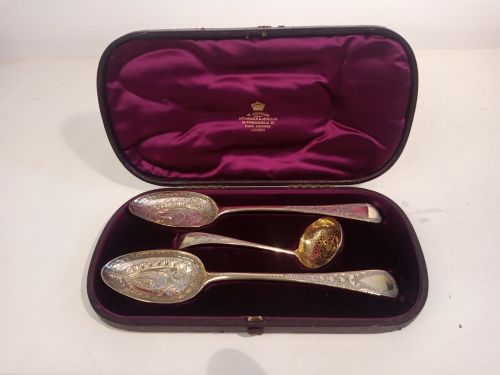
Silversmiths applied techniques such as parcel-gilding, pierced work, and repoussé decoration to create textured surfaces on spoons, sugar baskets, and menu holders. Liners for salt cellars and butter dishes incorporate cut glass, held securely within the metal frameworks of the fitted cases.
Cased Silver Tableware Retail Price Guide 2026
Typical asking prices for cased silver tableware among the pieces listed under this phrase on Sellingantiques today, from the lower quarter to the upper quarter. They describe what is for sale here now, not the wider market.
Listings feature items from the Victorian, Edwardian, and Art Deco periods, utilising materials such as sterling silver, velvet, and cut glass.
Craftsmanship and Preservation
The standard of execution depends on the depth and crispness of the metalwork, distinguishing heavily hand-engraved motifs or cast figural details from simpler stamped designs. Sets that retain their original fitted linings of silk or velvet, with intact hinges and unblemished exterior leather, command greater interest than those with degraded interiors.
Maker marks stamped into the silver provide evidence of workshop origin, linking pieces to established silversmiths who maintained higher standards of gauge thickness and structural finish. Complete sets with matching spoons and undamaged glass liners show greater coherence than assembled collections placed into later boxes.
Levi & Salaman·William Neale·The Goldsmiths & Silversmiths·C.T. Burrows & Sons·Mappin & Webb
The Cased Silver Tableware Glossary
- Sterling silver
- A silver alloy containing 92.5 percent pure silver by mass, with the remainder consisting of copper or other metals to provide durability. This standard metal appears across the majority of Victorian and Edwardian dining accessories.
- Parcel-gilt
- A term describing an object made of silver where specific decorative areas receive a thin coating of gold on the surface. This technique highlights interior bowls of spoons or engraved background details.
- Cruet set
- A collection of small glass or silver containers holding condiments such as mustard, vinegar, salt, and pepper, usually arranged together in a matching frame. These sets sit within custom boxes designed to keep the bottles upright.
- Repoussé
- A metalworking technique where the artisan hammers the reverse side of a sheet of silver to form a raised design in relief on the front. It appears frequently on the handles of serving spoons and sugar baskets.
- Leatherette
- A synthetic material mimicking the appearance and texture of leather, utilised for the exterior covering of many twentieth-century presentation boxes. It offers durability whilst protecting the softer linings inside.
Cased Silver Tableware: Frequently Asked Questions
What items are included in cased silver tableware?
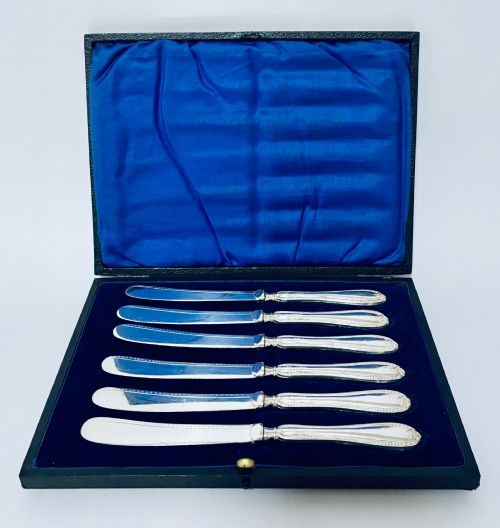
These sets encompass dining implements such as napkin rings, butter knives, fruit serving spoons, salt cellars, and grape shears. Each piece is housed in a fitted box designed specifically for that combination of utensils.
Many groups include matching accessories like sugar sifters, cruet bottles, or condiment spoons. The groupings reflect formal dining requirements of the Victorian and Edwardian periods.
How should these silver sets be cleaned?
Cleaning requires a soft cloth and a specialised silver polish formulated to remove tarnish without abrading the surface detail. Harsh chemical dips should be avoided, particularly on items with gilt accents or engraved lines.
The original velvet and silk linings inside the cases require dry dusting rather than liquid cleaners to prevent staining the fabric. Proper storage in dry environments helps retard future tarnishing.
How do I date cased silver items?
Dating relies primarily on the hallmarks stamped onto the silver components, which indicate the assay office, the specific year letter, and the maker's mark. Reference guides match these stamped symbols to official registry records.
The style of the exterior case, the fabric used for the lining, and the typography on the inside lid also provide clues to the manufacturing era. Edwardian and Victorian boxes often feature distinct geometric or floral motifs on their silk interiors.
Were these items meant for daily use?
Most cased sets were produced as presentation pieces for weddings, anniversaries, or seasonal holidays, intended for special dining occasions rather than rough everyday service. The inclusion of fitted boxes ensured the pieces remained protected when stored in sideboards.
Over time, many sets transitioned into decorative display items or continued to serve during formal family meals. Their survival in original cases often indicates they saw sparing use.