


Mid Century Silver Tableware
Mid century silver tableware brings functional elegance to the table, offering gleaming sterling silver forms that collectors prize for modern dining.
What mid century silver tableware is
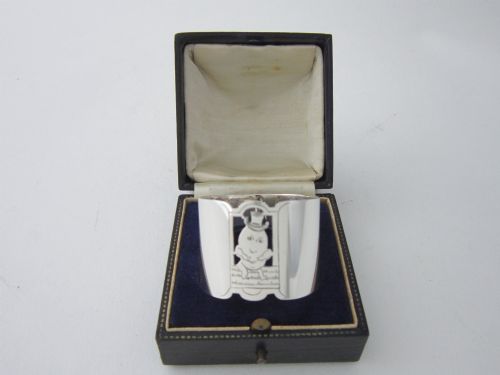
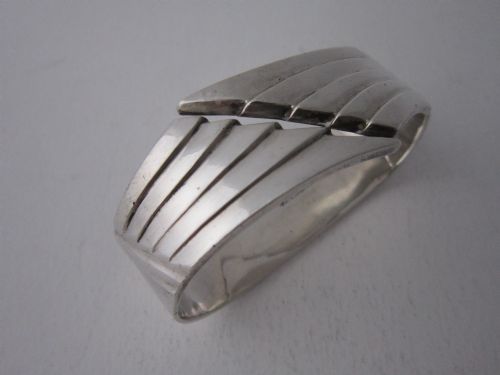
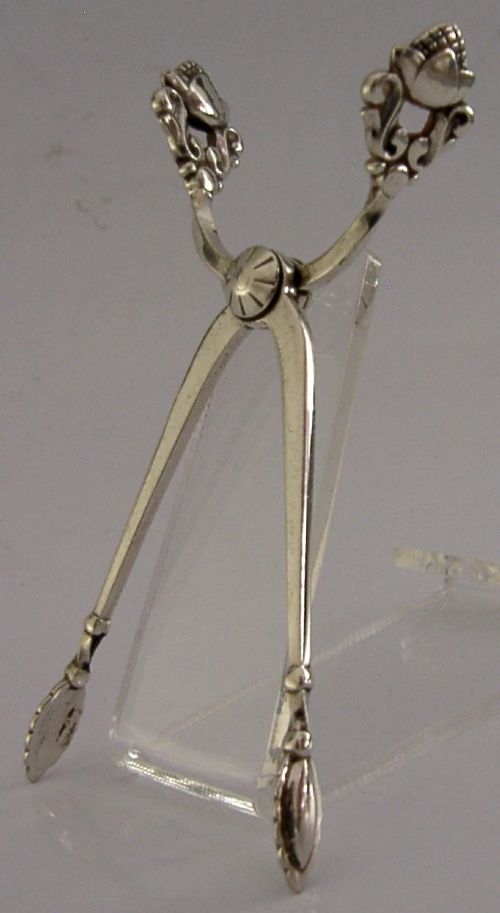
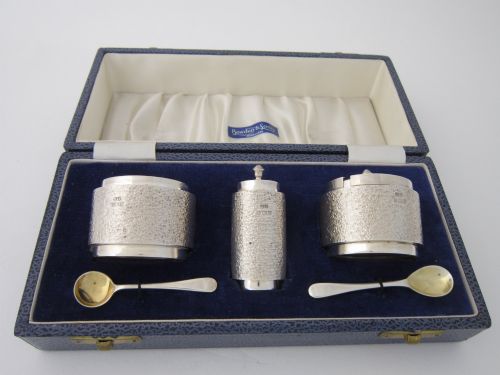
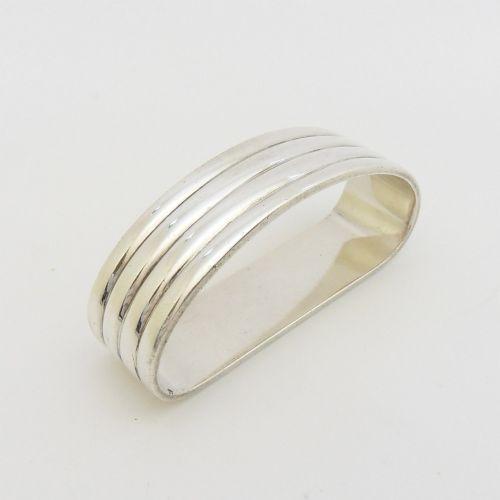
Buyers encountering mid century silver tableware will frequently find domestic items such as napkin rings, sugar tongs, and butter dishes. These pieces reflect mid century design aesthetics spanning British workshops and Danish modern production.
The objects combine practical utility with distinct period styling, utilising sterling silver alongside glass elements. Such items demonstrate the characteristic craftsmanship of the nineteen-fifties tabletop tradition.
How they were made
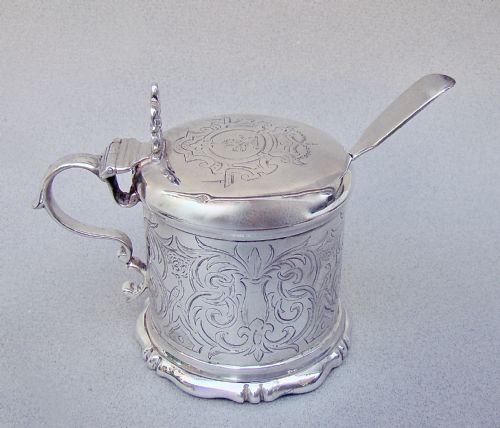
Makers shaped sterling silver into domestic tableware through traditional smithing and forming techniques. Pieces often incorporate detailed surface work, such as all over engraving alongside functional components like glass inserts.
Designers applied specific patterns directly to the silver surface, seen in decorative motifs like the acorn pattern. Individual elements were then finished with maker marks and assay office hallmarks designating the year of creation.
Retail Price Guide 2026
Typical UK retail prices for mid century silver tableware, calculated from the Sellingantiques database of over a million retail prices indexed since 2003. This retail price guide relies exclusively on Sellingantiques data; no external sources or auction records are used, so the figures do not describe the wider market.
What varies in quality
Quality in mid century silver tableware rests upon the clarity of hallmarks, the crispness of surface engraving, and the reputation of the maker. Pieces bearing distinguished maker signatures or specific regional hallmarks stand apart in desirability.
The execution of decorative details, from hand-engraved cartouches to distinct pattern motifs, determines the refinement of each object. Furthermore, the preservation of original matched sets, such as butter dishes paired with their correct knives, elevates the caliber of the tableware.
Georg Jensen·Adie Brothers
The Mid Century Silver Tableware Glossary
- Sterling silver
- A standard alloy consisting of ninety-two point five percent silver by mass, with the remainder composed of other metals for durability. This material forms the primary substance of mid century tableware.
- Hallmark
- An official stamp applied to precious metals indicating the standard of purity, the assay office, and the date of manufacture. These marks provide essential historical evidence for dating pieces.
- Cartouche
- An ornamental frame or panel reserved for inscriptions, often left vacant for personal engraving. It appears frequently on napkin rings and tableware.
- Acorn pattern
- A specific decorative motif featuring stylized acorn details associated with prominent mid century design. This pattern exemplifies Scandinavian influence on period silver.
Frequently Asked Questions
What items are mid century silver tableware?
Mid century silver tableware includes practical dining accessories made from sterling silver during the nineteen-fifties. Common forms consist of napkin rings, sugar tongs, and butter dishes.
These pieces often feature specific decorative patterns or engraving alongside glass components. They represent the domestic metalwork of British and Danish designers from the period.
How do I identify mid century silver tableware?
Identification relies on examining the hallmarks stamped onto the sterling silver surface. These official marks indicate the assay office and the exact year of production.
Additionally, stylistic cues such as mid century modern forms or specific maker signatures help classify the tableware. Comparing the craftsmanship and decorative motifs further confirms the era.
How should I care for silver tableware?
Silver tableware requires gentle cleaning with specialised silver polish to maintain its reflective finish. Avoid harsh abrasives that can damage delicate engraving or wear down hallmarks.
Store pieces in tarnish-resistant cloths or dry environments when not in use. Regular handling and careful washing preserve the integrity of the sterling silver.
Are these pieces suitable for daily use?
Sterling silver tableware is durable enough for regular dining use when handled with appropriate care. Items like napkin rings and butter dishes function practically on the modern table.
Owners should wash pieces by hand promptly after use rather than placing them in automated dishwashers. This practice protects both the silver and any associated glass elements.