



Sterling Silver Sugar Nips
Sterling silver sugar nips bring tactile elegance to the tea table, offering a refined way to serve lumps from the bowl.
Sterling Silver Sugar Nips
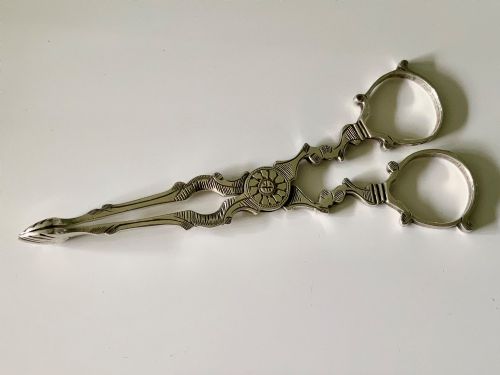
Sterling silver sugar nips represent a specialised form of tableware designed for handling individual sugar lumps during tea service. When searching for sterling silver sugar nips, a buyer encounters pieces originating from the 18th Century, Georgian, Regency, Victorian, Edwardian, and Art Deco periods, alongside Danish Modern designs.
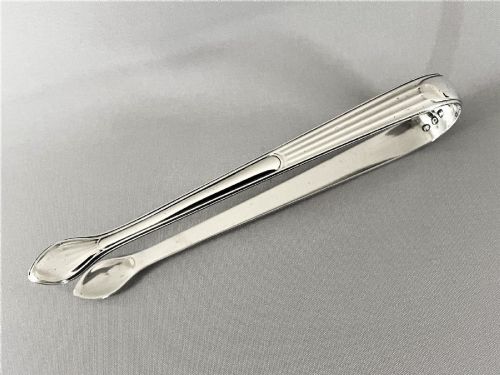
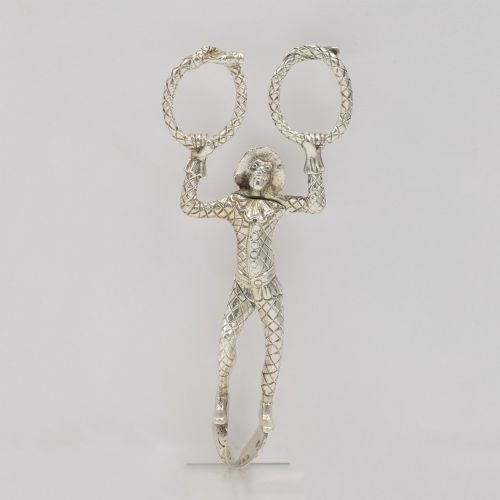
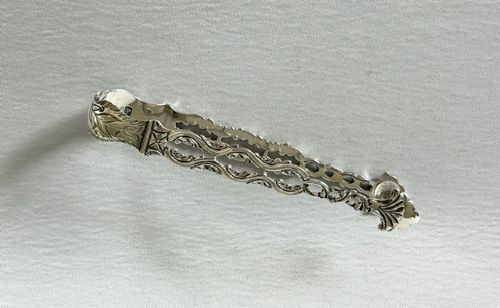
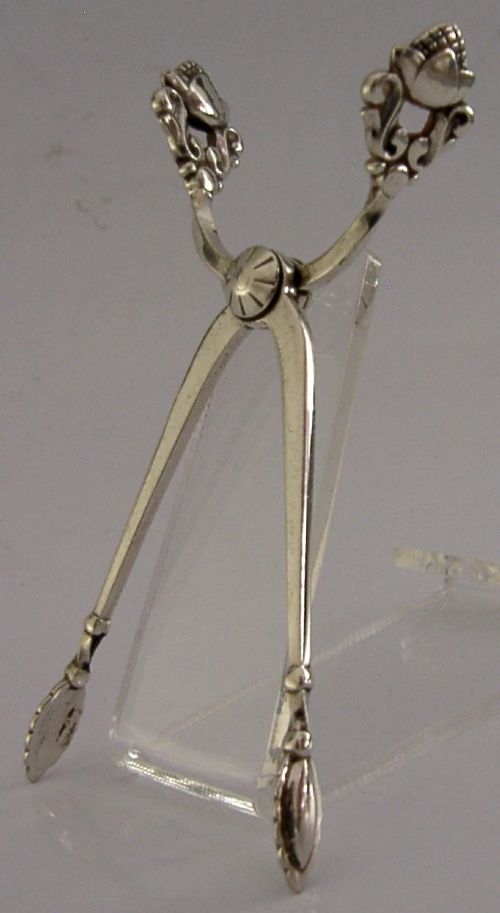
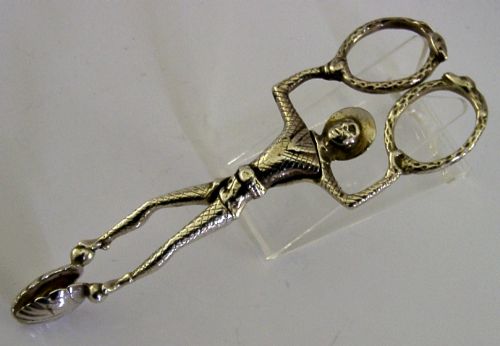
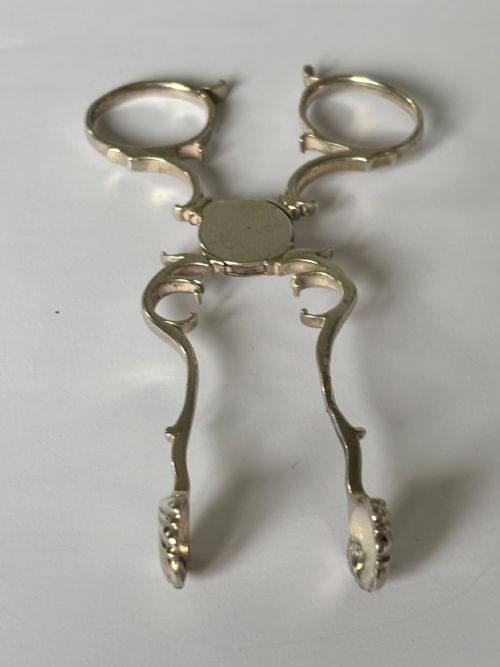
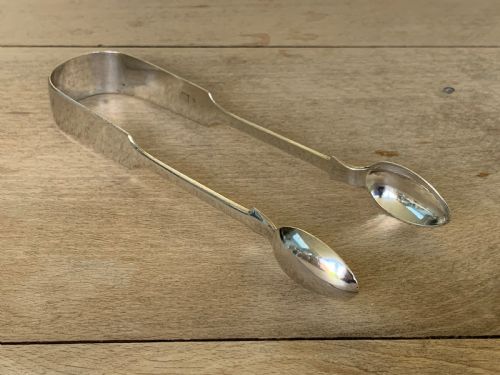
The objects take the form of traditional scissor-action nips with ring handles as well as sprung sugar tongs with arms joined at a pivot. Forms range from plain polished designs to pierced and cast configurations, naturalistic foliate motifs, and novelty shapes including harlequin monkeys, jesters, articulated eagle claws, and wishbones.
Origin points span English, Scottish, Irish, and Newcastle provincial assay offices, alongside continental Danish production. These items frequently appear as standalone pieces, within cutlery sets, or housed inside fitted presentation boxes lined with velvet, silk, or leatherette.
Materials and construction methods
Makers utilised sterling silver and standard silver as the primary metal for these small implements, shaping the material through casting, piercing, and hand-forging techniques. Cast examples often display intricate openwork patterns or sculptural figures soldered to the arms.
Spring-action tongs rely on the natural elasticity of tempered silver sheet folded at the arch to provide tension, while scissor-action nips incorporate hinged pivots and finger rings. Fitted presentation cases utilise wooden foundations covered in leatherette and lined with silk or velvet to protect the silver surface.
The listings span multiple centuries, uniting 18th Century cast items with Victorian novelty designs and Art Deco Danish Modern silver.
Distinctions in craftsmanship and design
Quality rests upon the crispness of the casting and the precision of any pierced work, where finer examples maintain sharp, clean outlines without softening of detail. The responsiveness of the spring mechanism or the smooth alignment of scissor pivots determines the functional integrity of the piece.
Distinctive decorative choices separate standard production from exceptional examples, particularly novelty forms involving articulated movement or sculptural figures like harlequin monkeys, jesters, and eagle claws. The presence of clear hallmarks from noted makers adds demonstrable authority to the silver.
Bateman Family·Dee & Fargus·Georg Jensen·Thomas Tookey·Henry Stuart Brown·John Walton·Francis Higgins
The Sterling Silver Sugar Nips Glossary
- Sugar nips
- Small implements operating with a scissor action and finger rings, specifically designed for gripping sugar loaves or lumps before the widespread adoption of cube sugar. They represent the earlier precursor to the sprung sugar tong.
- Sugar tongs
- Spring-action serving utensils formed from a single strip of folded silver, used for lifting sugar lumps into a teacup. They largely superseded scissor nips by the late 18th Century.
- Pierced and cast
- A manufacturing method where molten silver is poured into a mould and subsequently pierced with saws or chisels to create openwork decorative patterns. This technique demands high skill to prevent distortion of the metal.
- Novelty
- A descriptive term for silver pieces fashioned into whimsical or unusual figurative shapes, such as animals, harlequins, or wishbones. These items were popular conversation pieces in Victorian and Edwardian households.
- Hallmarks
- Official stamps struck into precious metals to indicate the standard of silver, the assay office of origin, and the year of manufacture. They provide the primary means of dating British silver.
Sterling Silver Sugar Nips: Frequently Asked Questions
What is the difference between sugar nips and sugar tongs?
Sugar nips operate like small scissors with finger loops for precise control, whereas sugar tongs use a sprung, U-shaped arch to pinch lumps. Nips generally appear on earlier pieces from the 18th Century.
Tongs became the standard format during the Georgian era as tea drinking habits shifted toward pre-cut sugar.
How do I know if my silver nips are Georgian?
Examine the piece for hallmarks indicating a monarch's duty mark, a city assay mark, and a date letter corresponding to the 18th or early 19th Century. Georgian pieces often feature hand-pierced bowls or delicate scissor loops.
Stylistic cues such as bright-cut engraving or simple cast arms also point toward this foundational period.
Were these items always sold in boxes?
Many pairs were retailed individually or as part of larger flatware services without fitted containers. Examples housed in velvet, silk, or leatherette cases typically indicate a higher quality presentation intended for gifting.
Cased sets frequently include a matching spoon alongside the tongs.
What are novelty sugar nips?
Novelty nips are sculptural serving pieces shaped into humorous or unusual forms like harlequin monkeys, jesters, articulated eagle claws, and wishbones. Makers produced these during the Victorian and Edwardian periods to appeal to collectors of curious tableware.
Their playful designs often involve mechanical action or detailed naturalistic casting.
Can I use antique silver sugar nips daily?
Solid silver construction makes these implements durable enough for regular use during tea service. Modern sugar cubes fit comfortably within the original grip spans of both scissor and sprung variants.
Gentle washing by hand helps preserve the polished finish and any delicate pierced details.