
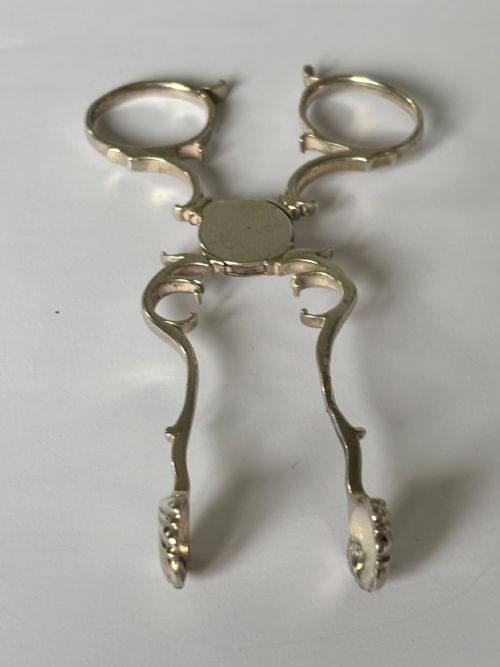


Georgian Silver Sugar Nips
Georgian silver sugar nips are functional small implements for sweetening tea, prized by collectors for their crisp casting and period silverwork.
Georgian Silver Sugar Nips
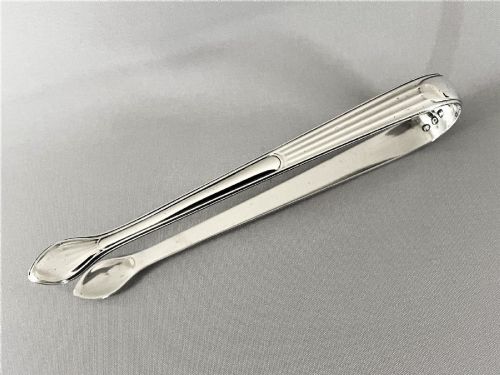
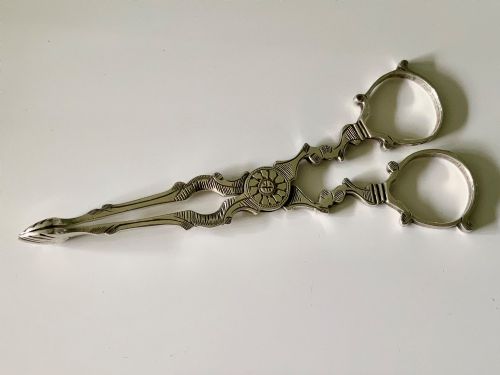
When you search for georgian silver sugar nips, you encounter a specialised form of small serving implement designed to handle sugar lumps for the tea table. The examples available here span the eighteenth century and the Regency period, encompassing both scissor-action nips and sprung tongs.
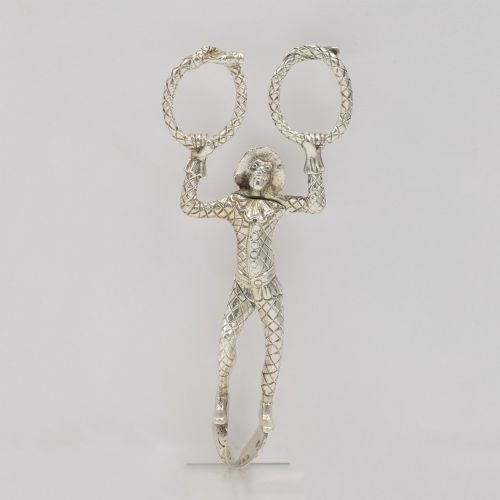
The objects take various structural forms, ranging from plain pierced blades to novelty designs such as harlequin figures. Originating from English, Scottish, Irish, and regional provincial makers, these pieces reflect the domestic social rituals of their era.
How they were made
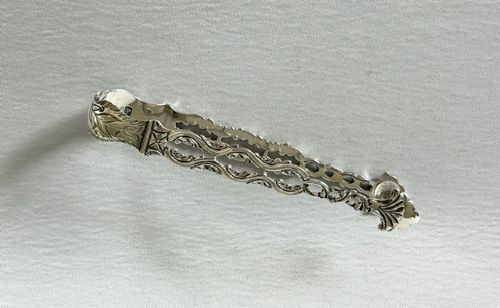
Makers fashioned these implements primarily from sterling silver, employing techniques such as piercing, casting, and hand-forming. Pierced decoration allowed artisans to create intricate openwork patterns along the arms and bowls.
Cast components provided the structural rigidity necessary for the scissor handles and pivot joints, ensuring durability during tea service. Smiths also shaped flat silver stock into sprung tongs that relied on the natural elasticity of the metal.
Listings for georgian silver sugar nips span the eighteenth century, the Regency era, and later revival periods.
What varies in quality
The distinction between ordinary and superior examples lies in the crispness of the cast or pierced detail and the integrity of the original joints. Pieces that retain sharp definition in their decorative motifs demonstrate superior initial workmanship by the silversmith.
Proportion and balance also govern the standard of the piece, with finer items offering a comfortable weight in the hand alongside harmonious design execution. The presence of clear maker marks and town hallmarks further elevates the standing of an individual pair.
Bateman Family·Dee & Fargus·Thomas Tookey·Stephen Adams I
The Georgian Silver Sugar Nips Glossary
- Sugar Nips
- Small scissor-action implements used for cutting or handling sugar loaves and lumps. They generally feature two finger rings and shaped bowls designed to grip the sugar securely.
- Sugar Tongs
- Spring-action serving tools that replaced or accompanied nips, formed from a single strip of folded silver. They rely on tension rather than a pivot to operate.
- Piercing
- A technique where metal is cut through to create openwork decorative patterns. In these implements, it lightens the visual weight and showcases the silversmith's skill.
- Cast Silver
- Molten metal poured into a mould to form solid, three-dimensional shapes. This method allowed makers to produce ornate arms and figural motifs.
Georgian Silver Sugar Nips: Frequently Asked Questions
What is the difference between sugar nips and sugar tongs?
Sugar nips operate on a scissor action with finger loops, resembling small shears, whereas sugar tongs use a single-piece spring mechanism folded at the top.
Nips belong predominantly to the earlier eighteenth century, while sprung tongs became the dominant form as tea drinking habits evolved.
How do I identify the date of my silver sugar nips?
Dating relies primarily on the combination of hallmarks stamped onto the silver, including date letters, maker marks, and assay office symbols.
The overall style of the piercing and the transition from scissor pivots to sprung arms also offer strong indicators of the period.
Were these items used for loose sugar?
These implements were specifically designed to handle sugar loaves, which were broken into smaller pieces before tea service.
The shaped bowls or gripping teeth held the irregular lumps securely while dropping them into the porcelain cups.
Did regional makers produce different styles?
Provincial workshops in locations such as Newcastle and various Scottish and Irish centres often displayed distinct regional characteristics in their work.
Local assay practices and slightly differing aesthetic preferences created subtle variations outside the dominant London output.