



Traditional Silver Tableware
Traditional silver tableware brings genuine Georgian, Victorian and Edwardian craftsmanship to the dining table for daily service.
Traditional Silver Tableware
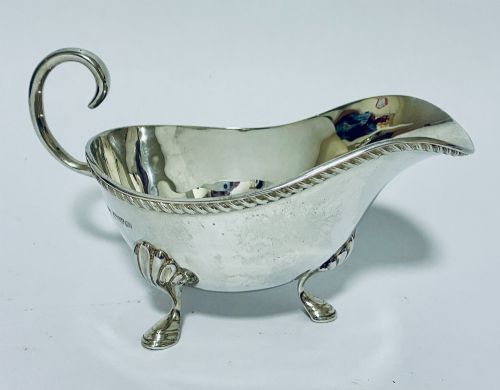
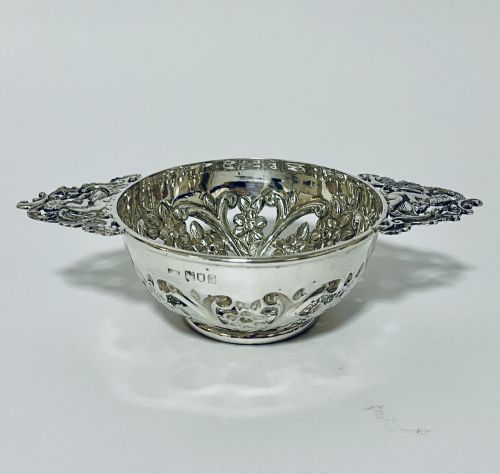
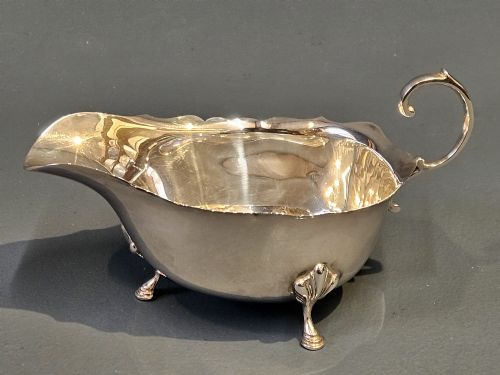
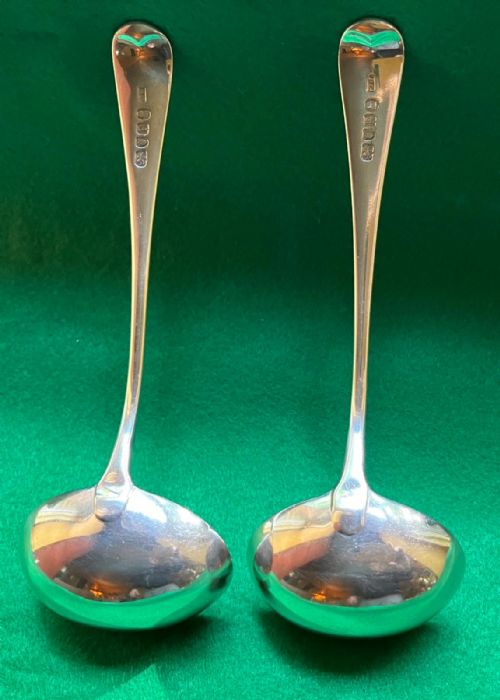
Traditional silver tableware encompasses functional dining pieces spanning from the 18th century through the early 20th century, including sauce boats, toast racks, cream jugs and chargers. These items reflect distinct historical periods such as the Georgian, Victorian and Edwardian eras, along with specific reigns like George V.
Buyers browsing this selection will most frequently encounter sauce boats and chargers, alongside smaller serving items like mustard pots and condiment vessels. Materials range from sterling silver and silver plate to pewter, capturing the varied domestic production methods of past centuries.
Form follows function closely across these objects, designed specifically for formal dining and table service. Pieces often display period-specific stylistic influences, including Georgian style and Grand Regency aesthetics.
How they were made
Items in this category are fashioned primarily from sterling silver, silver plate, and pewter, utilising metalworking techniques appropriate to their respective centuries. Silversmiths shaped solid sterling silver and durable pewter through traditional hammering, casting and soldering methods.
Silver-plated pieces rely on base metals coated with a layer of silver, a technique that expanded access to polished tableware during the 19th century. Surface finishing involved careful hand polishing to achieve the lustrous sheen visible on chargers, sauce boats and cream jugs.
Toast racks keep your breakfast dry and crisp, proving that Victorians took their morning toast very seriously indeed.
What varies in quality
Quality in traditional silver tableware rests upon the weight of the metal and the crispness of the chased or cast details. Heavier pieces, such as substantial chargers and sauce boats, demonstrate a more generous use of material that endures through heavy handling.
The precision of the silversmith's construction defines the finer examples, from well-balanced handles to securely mounted bases and rims. Plated items differ according to the thickness and durability of the silver layer over the underlying metal.
The Traditional Silver Tableware Glossary
- Sterling silver
- A standard alloy consisting of ninety-two point five percent silver and seven point five percent other metals, typically copper. This composition provides the necessary durability for functional tableware while maintaining a bright appearance.
- Silver plate
- A base metal substrate covered with a thin layer of pure silver. This method offered an accessible alternative to solid sterling silver for domestic dining items.
- Pewter
- A malleable metal alloy historically composed chiefly of tin combined with copper, antimony or bismuth. It was frequently utilised for chargers and utility dishes before mass production.
- Sauce boat
- An open vessel with a lip and handle, designed for serving gravies or sauces at the table. These often feature distinctive period styling and supporting feet.
- Toast rack
- A metal framework fitted with upright dividers to hold slices of toast upright. This specific form became popular during the Victorian and Edwardian breakfast service.
Traditional Silver Tableware: Frequently Asked Questions
How do I care for silver tableware?
Caring for these items involves regular gentle cleaning to maintain the metal finish without removing historical patina. Use dedicated silver polishes formulated for sterling or plated surfaces, and wash pewter with mild soap and warm water.
Store pieces in dry conditions away from direct humidity to prevent accelerated tarnishing and preserve the integrity of the metal.
Are these pieces suitable for daily use?
Many traditional silver and pewter items remain entirely functional for modern dining and serving purposes. Solid sterling silver and heavy plated pieces tolerate regular handling when cleaned and maintained properly.
Delicate plated items or thin antique wares benefit from more cautious handling and hand washing rather than automated dishwashing.
How can I identify the period of silver tableware?
Dating these objects relies on observing stylistic markers, manufacturing techniques and overall form characteristic of periods like the Georgian, Victorian or Edwardian eras. Certain items explicitly reflect specific design movements such as Grand Regency or George V aesthetics.
Material composition also offers clues, as pewter and heavy plate correspond to specific eras of domestic production alongside solid sterling pieces.