


Edwardian Silver Sugar Tongs
Edwardian silver sugar tongs are small, elegant implements designed for afternoon tea, combining practical utility with the fine craftsmanship of the period.
Edwardian Silver Sugar Tongs
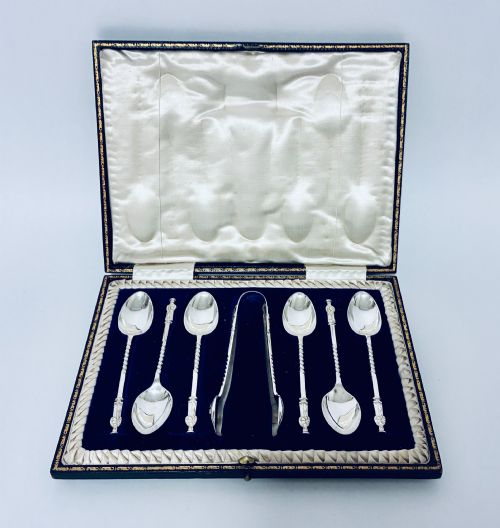
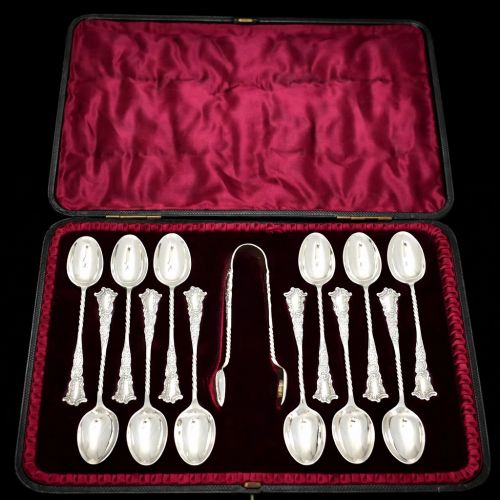
When you search for edwardian silver sugar tongs, you encounter small serving pieces that often appear either as standalone items or housed within fitted velvet-lined cases alongside teaspoons. These implements were essential for the formal tea service of the early twentieth century, used to transfer sugar lumps into cups with precision and grace. Most examples you meet on this page hail directly from the Edwardian era, though related listings occasionally incorporate Victorian or later periods.
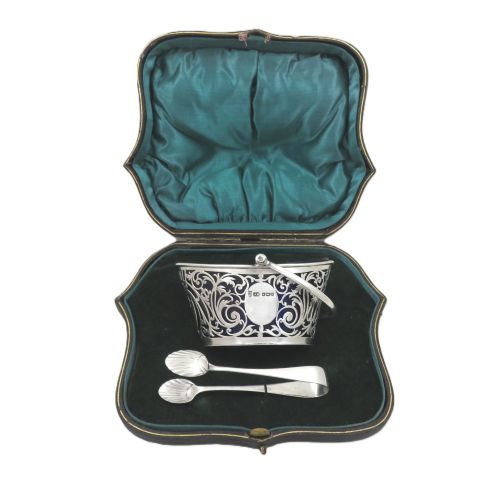
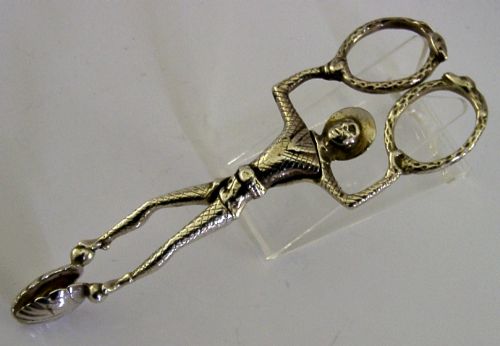
The forms vary from simple, functional domestic designs to whimsical novelty pieces shaped like wishbones, eagle claws, or jesters. Alongside standard sugar tongs, the evidence shows pieces paired with sugar baskets, sifters, or complete cutlery sets intended for formal dining and tea rituals. These items reflect the domestic habits of households that valued both ornate presentation and reliable metalwork during the first decade of the twentieth century.
What varies in quality
Quality in these implements rests largely upon the distinction between standard domestic utility pieces and imaginative novelty designs that demanded higher skill from the silversmith. The presence of articulated mechanisms, such as moving joints in claw or jester forms, demonstrates superior craftsmanship compared to plain, pressed metal arms. Furthermore, complete original sets housed within their fitted velvet or silk cases retain a higher degree of historical integrity than loose, single items.
The reputation of the maker also dictates the standing of a piece within the range, with workshop provenance marked by clear hallmarks from regional assay offices. Cleanly struck hallmarks, crisp detailing on chased handles, and resilient spring tension in the silver all separate the finest examples from heavier, simpler productions.
Edwardians loved theatrical tea tables, happily dropping sugar cubes into their porcelain using tiny articulated jester and eagle claw hands.
Henry Stuart Brown·Robert Stebbings·Josiah Williams
The Edwardian Silver Sugar Tongs Glossary
- Hallmark
- Official stamps punched into precious metals to indicate the assay office, purity standard, and year of manufacture. These tiny marks provide the primary evidence for dating British silver.
- Silver-gilt
- Silver that has been coated with a thin layer of gold on its surface, often referred to as vermeil. This technique enhances the visual appeal and protects the underlying silver from tarnishing.
- Sugar basket
- An openwork or pierced container designed to hold sugar lumps on the tea table, frequently accompanied by matching tongs. They often feature blue glass liners.
- Apostle spoon
- A spoon featuring the figure of an apostle cast or chased on the end of the handle. These traditional designs sometimes appear in sets alongside matching sugar tongs.
- Wishbone tongs
- Novelty sugar tongs fashioned to resemble a bird's wishbone, operating with natural spring tension. This playful design was particularly popular during the Edwardian period.
Edwardian Silver Sugar Tongs: Frequently Asked Questions
What were sugar tongs used for?
These small implements were used exclusively at the tea table to lift sugar lumps from a bowl or basket into a teacup without touching them by hand.
They ensured polite etiquette during formal afternoon gatherings, where refined manners dictated that guests should not handle sugar directly.
How do I know if they are Edwardian?
You can determine the period by examining the hallmarks stamped onto the silver, which record the specific assay office year letter.
Edwardian pieces generally date from the reign of King Edward VII, spanning the years from nineteen hundred to nineteen ten, alongside stylistic clues like delicate floral chasing.
Why do some come in fitted cases?
Many silver sets were retailed in purpose-built boxes lined with velvet, silk, or satin to protect the delicate implements from damage.
These presentation cases were often given as wedding gifts or celebratory presents, keeping the teaspoons and sugar tongs together as a unified set.
What is the difference between silver and silver plate?
Solid sterling silver consists of a regulated high purity metal standard throughout the entire piece, marked with assay office symbols.
Silver plate involves a thin layer of silver bonded over a base metal core, which lacks the traditional hallmarks found on solid sterling items.