
Antique Silver Flatware Set
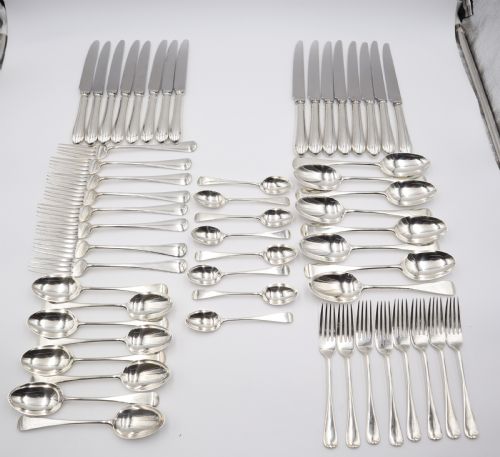
You are looking at an antique silver flatware set, pieces designed for dining and serving that bring period craftsmanship to the table.
Understanding the selection
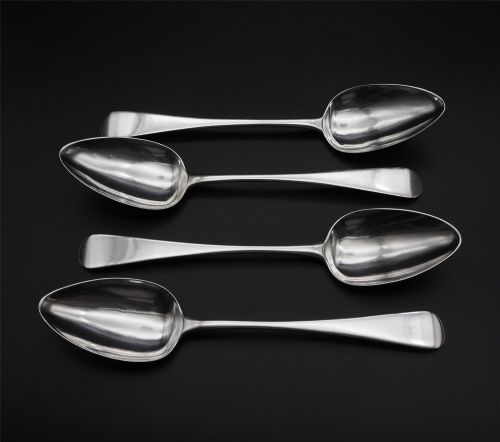
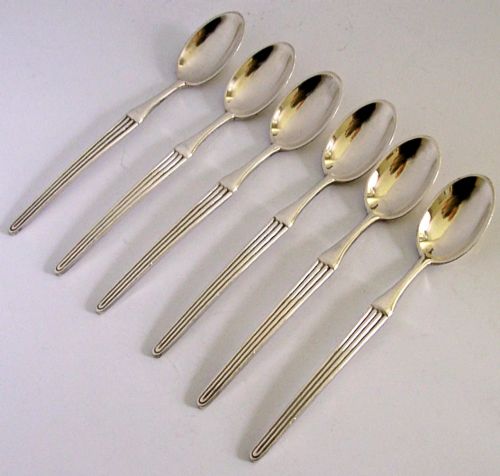
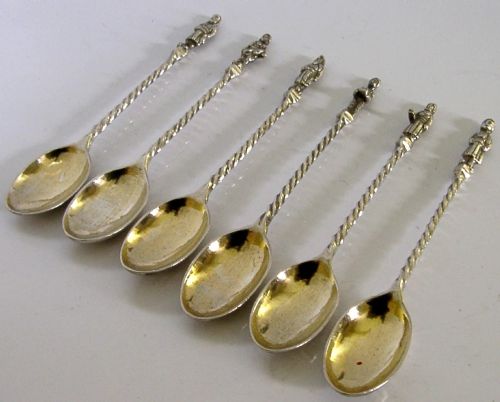
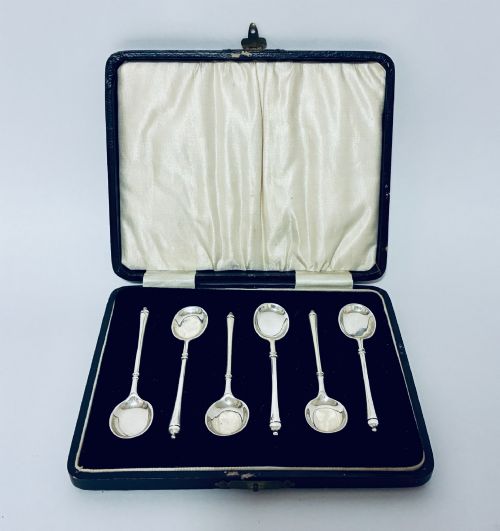
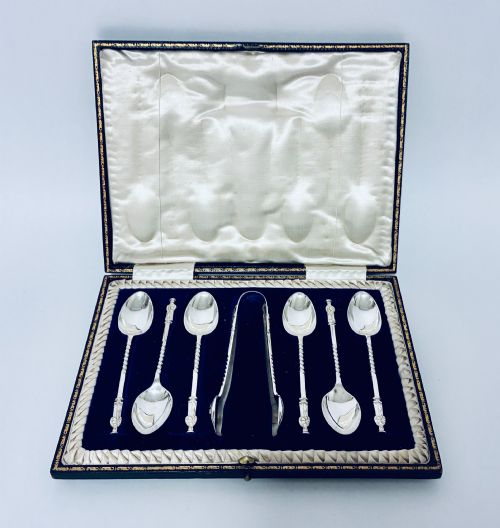
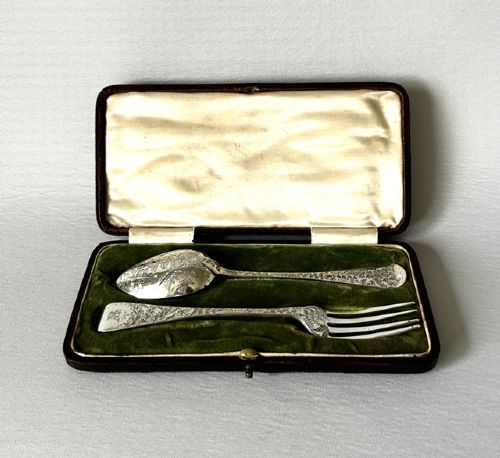
An antique silver flatware set comprises domestic dining implements and serving pieces created during the Georgian, Victorian, and Edwardian eras. Buyers searching for an antique silver flatware set will encounter smaller groupings such as teaspoon sets with sugar tongs, matched serving spoons, and child's christening sets.
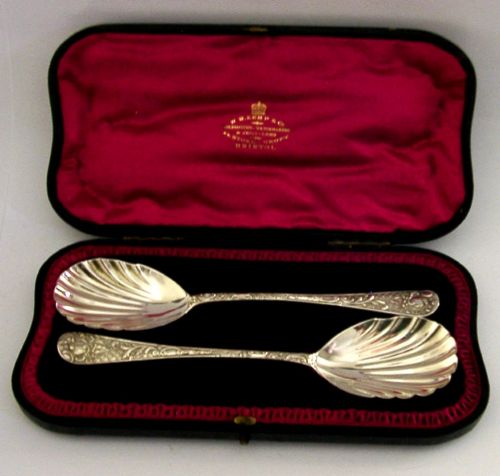
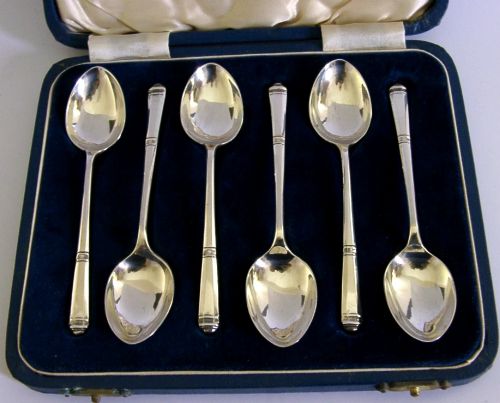
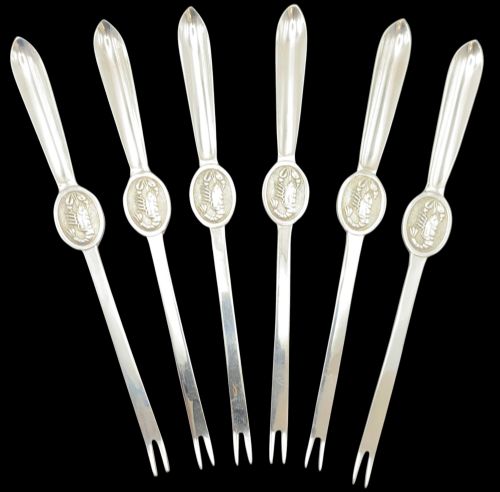
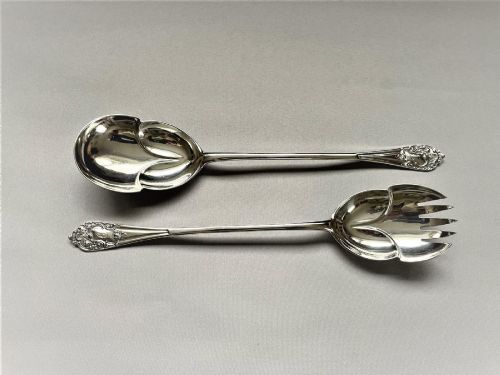
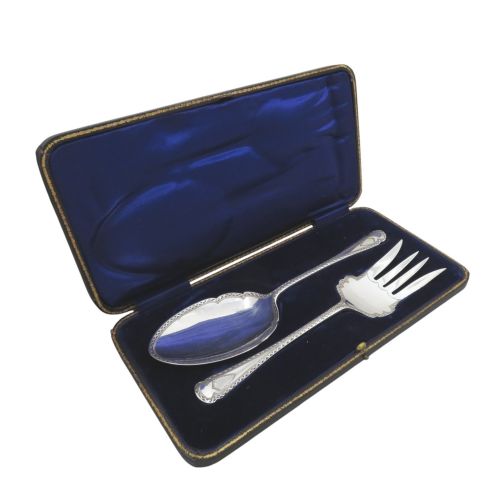
The most common forms on this page include salad servers, child's knife and fork sets, and boxed teaspoons. These items range from the functional implements of daily dining to specialised utensils intended for specific courses or presentation.
Materials and construction
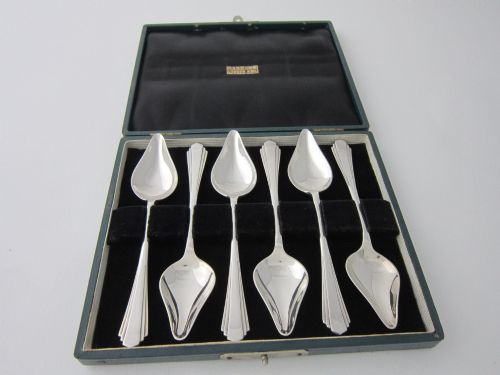
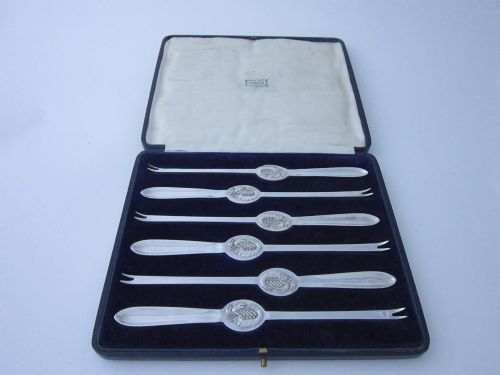
The objects in these listings are fashioned from sterling silver or solid silver, reflecting the dominant metal standards of their respective periods. Pieces are often accompanied by fitted presentation cases lined with velvet or silk and bound in leather or leatherette.
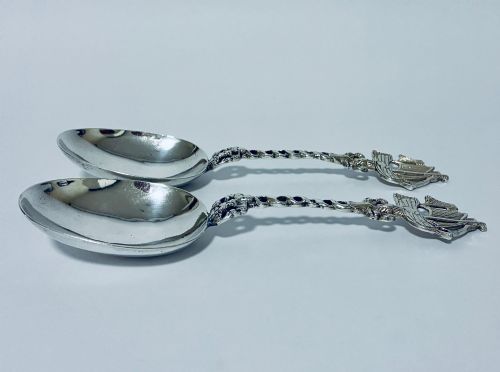
Manufacture involves traditional silversmithing techniques appropriate to the Georgian, Victorian, and Edwardian styles. The integration of fitted boxes demonstrates the complete packaging of domestic tableware during these periods.
Retail Price Guide 2026
Typical UK retail prices for silver flatware set, calculated from the Sellingantiques database of over a million retail prices indexed since 2003. This retail price guide relies exclusively on Sellingantiques data; no external sources or auction records are used, so the figures do not describe the wider market.
A child receiving silver cutlery in a fitted velvet box could begin dining with proper weight from infancy.
Judging quality
Quality in an antique silver flatware set is visible in the crispness of the metalwork and the integrity of the original fitted boxes. Pieces that retain their matched components and original presentation cases stand apart from assembled or incomplete groupings.
The distinction between standard domestic items and superior examples lies in the execution of the silversmith's work and the preservation of materials like silk and velvet inside the storage boxes.
JOHN ROUND
The Antique Silver Flatware Set Glossary
- Sterling silver
- A silver alloy containing 92.5 percent pure silver and 7.5 percent other metals, usually copper. This standard is fundamental to British silversmithing.
- Christening set
- A matched knife and fork or similar cutlery presented to a child on the occasion of a christening. These boxed sets were often produced in solid silver.
- Sugar tongs
- Small spring tongs used for handling lump sugar, frequently found paired with teaspoon sets. They reflect the formal tea service habits of the Edwardian period.
- Salad servers
- A large matched pair of spoons or a spoon and fork used for serving salad. They are typically larger than standard dining utensils.
Frequently Asked Questions
What pieces comprise a set?
An antique silver flatware set on this page typically includes small groupings such as six teaspoons with sugar tongs, pairs of salad servers, or child's christening cutlery.
These configurations reflect domestic dining and gifting practices from the Georgian through the Edwardian eras.
How should I store these items?
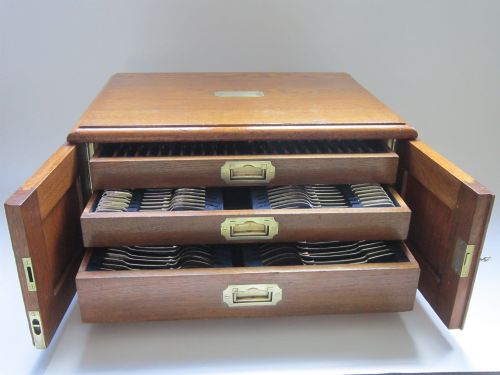
Many sets are housed in original fitted boxes lined with velvet or silk and covered in leather or leatherette. Keeping the pieces in these designated enclosures helps protect the silver and the accompanying lining materials.
Proper storage minimises exposure to atmospheric tarnish and preserves the historical presentation containers.
Are original boxes common?
Boxed sets appear across several periods, including Georgian child's cutlery and Edwardian teaspoon collections. The presence of the original leather or leatherette case indicates how the items were retailed and stored.
Fitted boxes often feature interior linings of silk or velvet tailored to the specific outline of the cutlery.
What styles are represented here?
The inventory encompasses Georgian, Victorian, and Edwardian design sensibilities. Each style corresponds to the prevailing aesthetic of its respective period of manufacture.
Stylistic details range from the early forms of the Georgian era to the later developments of the Edwardian period.