
Late Victorian Sterling Silver
Late victorian sterling silver gathers the solid metal domestic and decorative items fashioned during the closing decades of the nineteenth century.
Late Victorian Sterling Silver
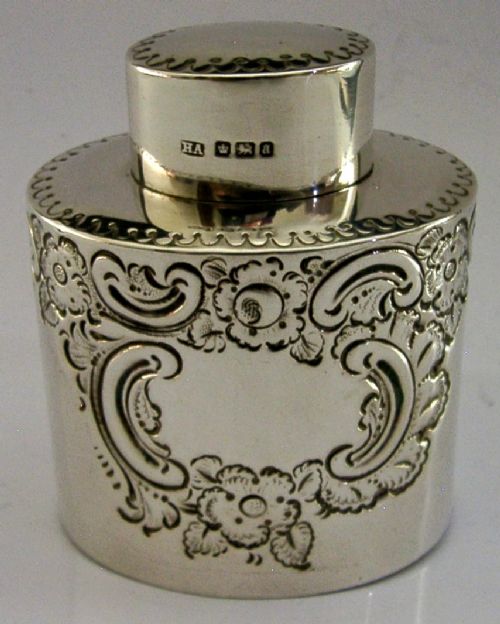
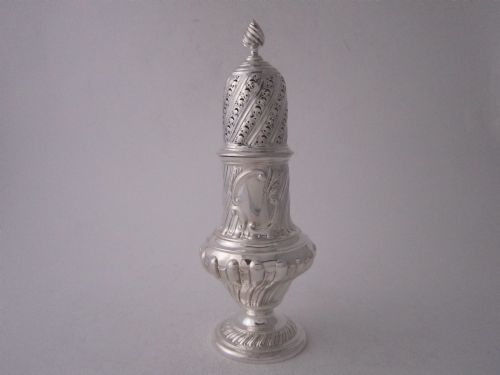
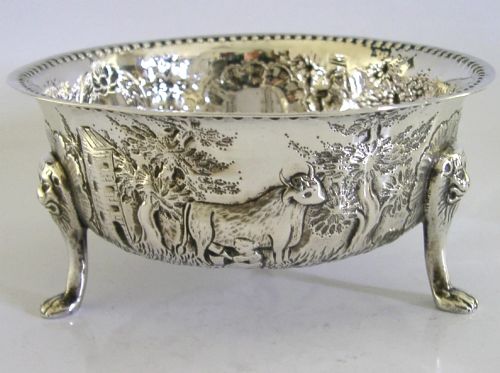
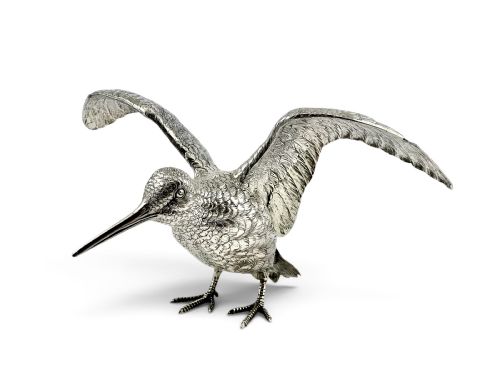
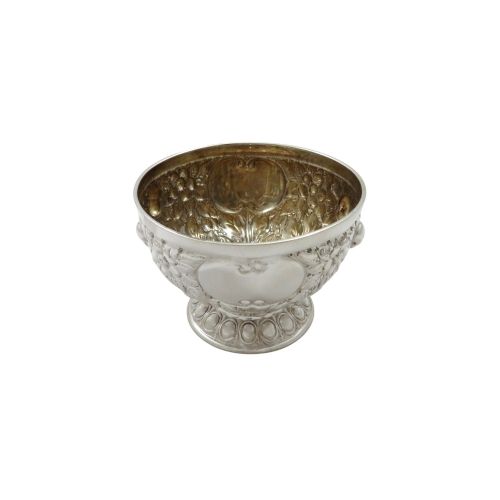
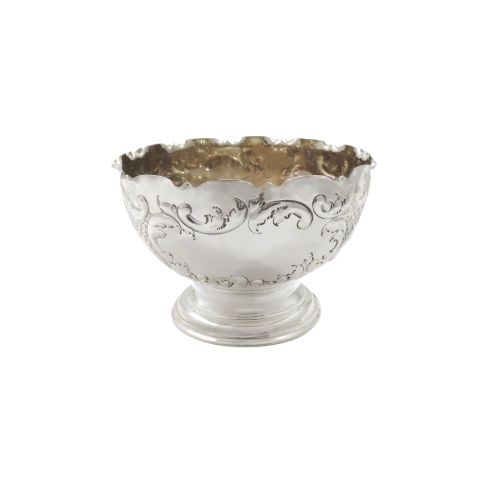
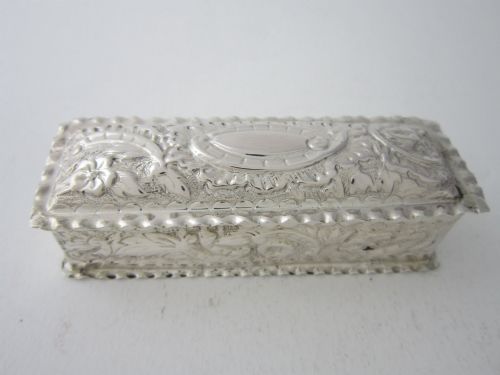
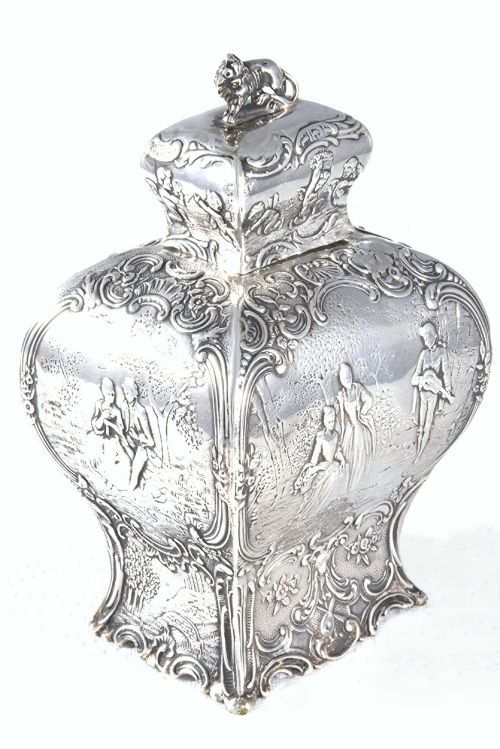
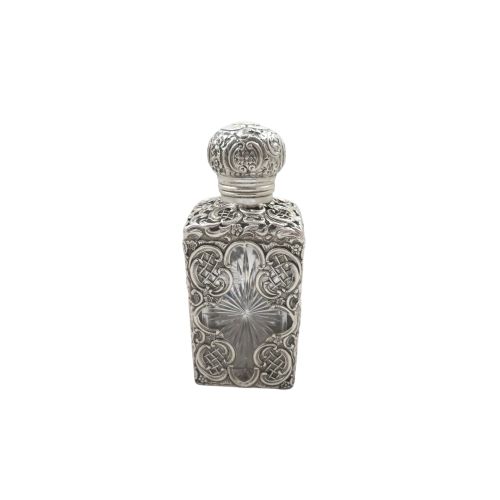
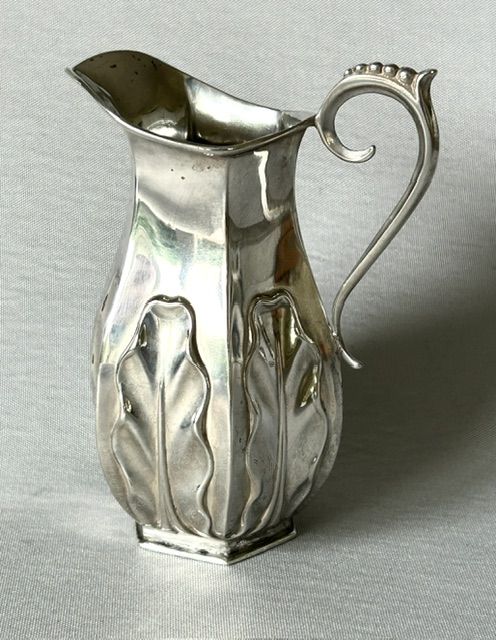
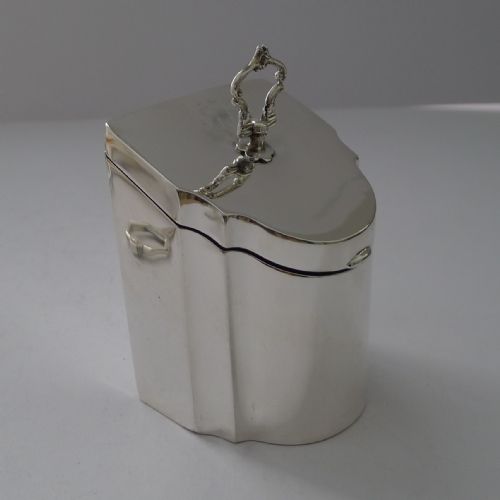
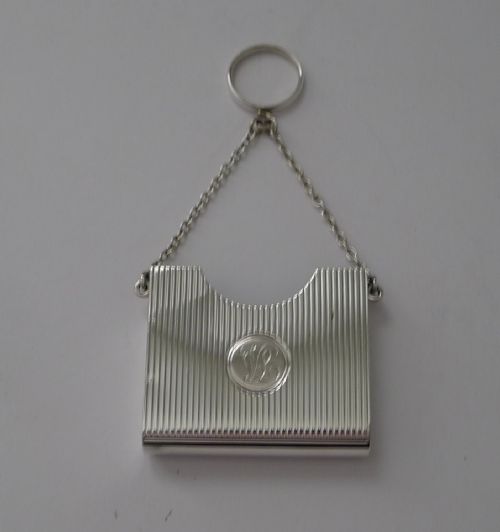
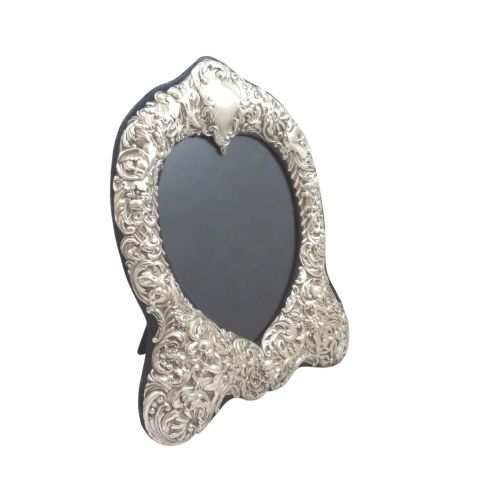
Late victorian sterling silver encompasses a wide assortment of domestic objects, tabletop wares and personal accessories produced primarily during the final decades of the nineteenth century. Buyers searching for late victorian sterling silver encounter items ranging from decorative bowls, tea caddies and cream jugs to photo frames, scent bottles and card cases.
The objects frequently reflect historicist revivals such as the Georgian style, Victorian rococo revival and classical forms alongside naturalistic novelty pieces. Domestic settings benefit from the inclusion of these utilitarian and ornamental silver pieces, which often incorporate glass, leather or velvet linings.
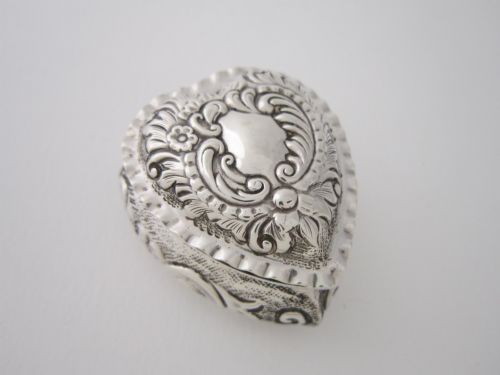
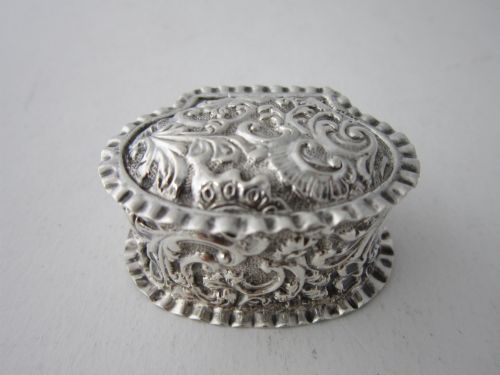
Personal items like vesta cases, pill boxes, napkin rings and chatelaine accessories appear regularly alongside larger table services and desk articles. These pieces demonstrate the varied manufacturing output of silversmiths working in London, Birmingham, Chester and other regional centres during the period.
Materials and construction methods
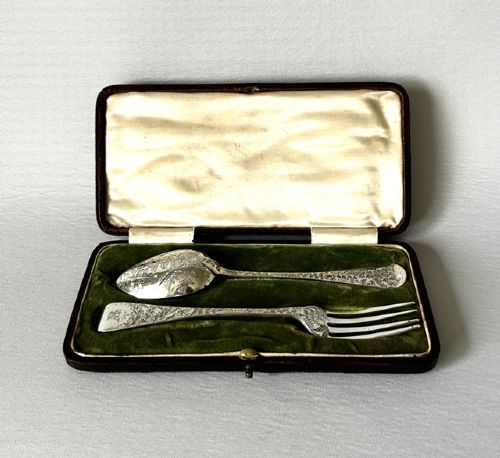
Silversmiths utilised standard sterling silver alloys, combining the precious metal with copper to provide durability for everyday objects like cutlery, cruet sets and salvers. Many items paired the solid silver framework with cut glass, opaline glass, silk velvet or leather components, particularly in scent bottles, photo frames and trinket boxes.
Manufacturing techniques combined traditional hand-working skills with mechanical processes, utilising casting for ornate borders and heavy handles alongside piercing for baskets and decorative frames. Engraving and embossing featured heavily on tea caddies, snuff boxes and card cases, creating textured surface patterns ranging from floral motifs to figural scenes.
Late Victorian Sterling Silver Retail Price Guide 2026
Typical asking prices for late victorian sterling silver among the pieces listed under this phrase on Sellingantiques today, from the lower quarter to the upper quarter. They describe what is for sale here now, not the wider market.
Listings feature items dated across the late nineteenth century, predominantly spanning the decade from 1890 to 1900.
Judging the quality of the work
Quality within late victorian sterling silver rests upon the crispness of the chasing, the weight of the metal and the precision of any cast ornamental borders. Superior examples display deep, deliberate hand-engraving and well-defined structural details rather than shallow, hastily pressed patterns.
Maker attribution and the clarity of the hallmarking stamps also influence the standing of a piece, with works by notable workshops exhibiting superior finishing in hidden seams and internal fittings. The integration of secondary materials, such as heavy cut glass inserts or robust leather backings on frames, further distinguishes finer productions from standard domestic wares.
Sampson Mordan·William Comyns·Goldsmiths & Silversmiths Co·Gibson & Langman·Walker & Hall·Carrington & Co·Hunt & Roskell
The Late Victorian Sterling Silver Glossary
- Sterling silver
- An alloy composed of significant pure silver combined with small quantities of other metals to ensure structural strength. This standard has long been utilised for British domestic plate and decorative objects.
- Hallmark
- A system of official marks stamped onto precious metal items to guarantee their metallic standard, origin office, and year of production. These stamps provide the primary evidence for dating nineteenth-century items.
- Tea caddy
- A small container designed for the storage of dry tea leaves prior to brewing. Victorian examples frequently feature locking lids and decorative embossing.
- Vesta case
- A small pocket container utilised for holding and striking matches safely. These containers often incorporate hinged lids and spring mechanisms.
- Repoussé
- A metalworking technique where the artisan hammers the design from the reverse side to form raised relief patterns on the surface. This method was widely employed on bowls, boxes and vanity items.
Late Victorian Sterling Silver: Frequently Asked Questions
How do I date these items?
Dating relies heavily upon the official hallmarks stamped directly into the silver metal, which indicate the assay office and specific year letter.
Additional clues emerge from the decorative style, manufacturing techniques and overall form typical of the final decades of the nineteenth century.
How should I clean silver?
Cleaning requires mild, non-abrasive silver polishes applied gently with a soft cloth to avoid wearing down delicate engraved or embossed details.
Avoid submerging items that incorporate secondary materials like velvet, leather or glued glass inserts into liquid cleaning solutions.
What is the difference between sterling and plate?
Sterling silver consists of solid alloyed precious metal throughout the entire thickness of the object rather than a thin coating.
Pieces bearing proper sterling hallmarks guarantee a high proportion of pure silver rather than a base metal core covered by electroplating.