




Sterling Silver Candelabra
Sterling silver candelabra bring genuine weight and sculptural presence to a dining table, offering timeless illumination forged from solid precious metal.

What sterling silver candelabra are
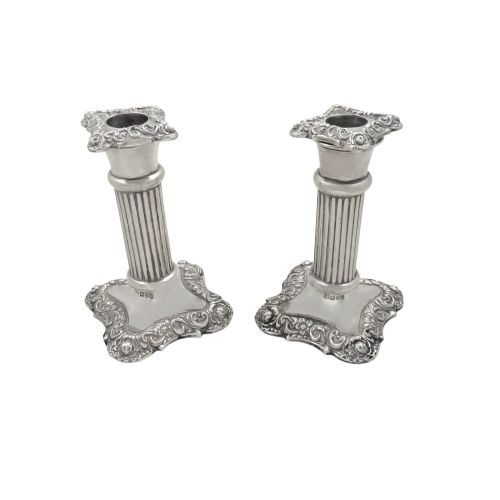
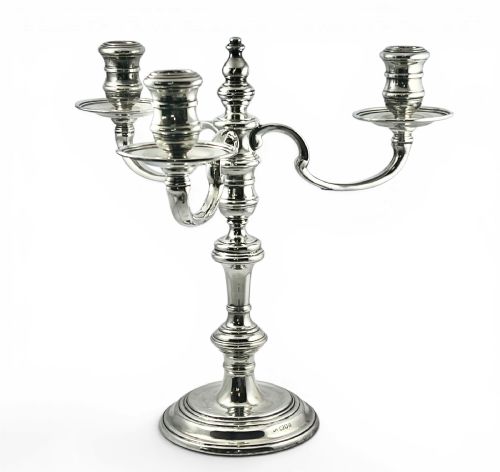
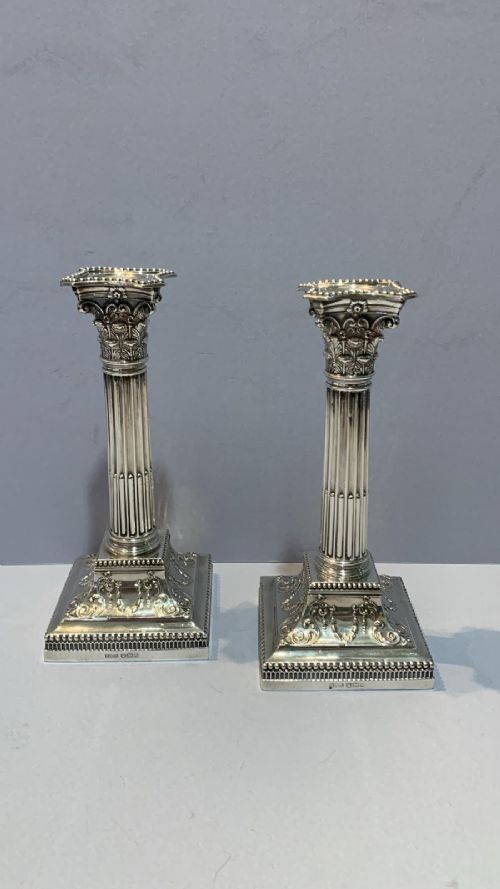
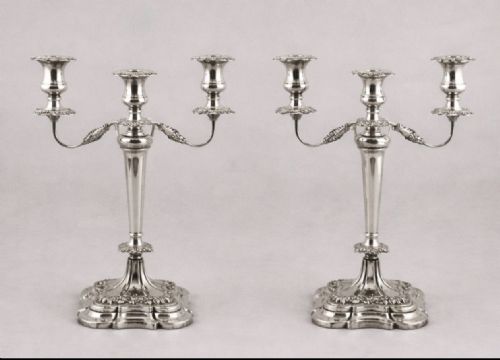
When you search for sterling silver candelabra, you look at multi-branched lighting fixtures designed to hold multiple tapers simultaneously. These pieces range from substantial Victorian and Edwardian examples to striking Art Deco and mid-century designs.
The selection includes two-light, three-light, and five-light configurations. Many items originate from British, American, French, and German makers, spanning periods from the late nineteenth century through to the mid-twentieth century.
You are most likely to encounter matched pairs as well as convertible forms that function as both candelabra and single candlesticks. Their styling shifts across eras, moving from ornate revivalism to clean, hand-wrought modernist lines.
How they were made
These pieces are constructed entirely from sterling silver, utilising traditional silversmithing techniques appropriate to their respective periods. Artisans shaped the metal through casting, hammering, and detailed hand-wrought execution.
Makers often combined structural components to support the weight of multiple branches securely. Surface finishes range from high polish to textured, hand-wrought treatments that display the direct touch of the craftsman.
Retail Price Guide 2026
Typical UK retail prices for sterling silver candelabra, calculated from the Sellingantiques database of over a million retail prices indexed since 2003. This retail price guide relies exclusively on Sellingantiques data; no external sources or auction records are used, so the figures do not describe the wider market.
The listings span several distinct periods, including Victorian, Edwardian, Arts and Crafts, and Art Deco eras.
What varies in quality
The distinction between standard production and top-tier execution rests on the architectural integrity of the branches and the crispness of the chased or cast detail. Heavier gauge metal provides better balance and structural stability across multi-light configurations.
Maker attribution and the complexity of the design elevate certain pieces significantly. Works featuring documented silversmiths or intricate Neoclassical and Arts and Crafts styling demonstrate superior artistry compared to unmarked generic examples.
Robert Edgar Stone·Elkington and Co·Odiot Paris·Hunt and Roskell·Storr Mortimer and Hunt
The Sterling Silver Candelabra Glossary
- Sterling silver
- An alloy consisting of pure silver and other metals, usually copper, to add durability while maintaining a high purity standard. This material forms the primary substance of all items listed here.
- Candelabrum
- A branched candlestick designed to hold multiple candles at once. The plural form is candelabra, though the singular term frequently describes a single branched fixture.
- Hand wrought
- Formed or beaten into shape by hand rather than cast in a standard mould. This technique often leaves subtle tactile marks that denote individual craftsmanship.
- Art Deco
- A design style characterised by sleek geometric shapes, streamlined forms, and modern industrial influences. Pieces from this movement discard Victorian ornamentation in favour of stark elegance.
Frequently Asked Questions
How do I clean sterling silver candelabra safely?
Use a soft microfiber cloth and a dedicated silver polish designed to lift tarnish without being overly abrasive. Avoid harsh chemical dips that can strip away intentional oxidisation in recessed details.
Take extra care around soldered joints and delicate bobeches when wiping down the branched arms. Store the pieces in a dry environment to slow down future tarnishing.
Can these candelabra be converted for modern candles?
Most historical candelabra accommodate standard taper candles, though minor variations in socket sizing can occur across different periods and countries of origin. You should measure the nozzle diameter before purchasing modern tapers.
If a candle sits loosely, use small beeswax strips to secure it upright rather than forcing an oversized candle into the socket.
How do I identify the period of a candelabrum?
Examine the stylistic motifs, such as the heavy ornamentation of Victorian pieces or the clean geometric lines of Art Deco items. Design characteristics often point directly to the prevailing aesthetics of the manufacturing decade.
Maker marks and silver hallmarks stamped onto the base provide definitive clues regarding the exact year and country of production.