





George VI Silver
When you handle george vi silver, you meet the solid sterling wares of a brief reign defined by clean restraint and traditional utility.
George VI Silver
George vi silver spans the years from nineteen-thirty to nineteen-forty, encompassing domestic tableware, desktop accessories, and decorative items fashioned in sterling. A buyer exploring this category encounters functional objects designed for dining, writing desks, and social entertaining.
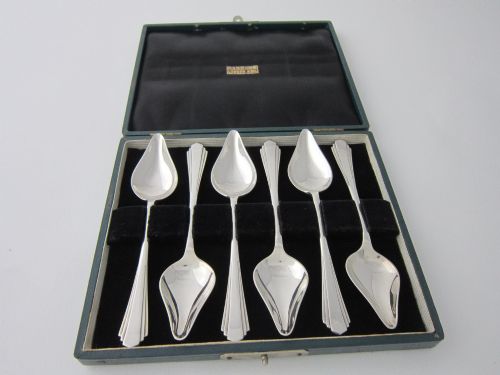
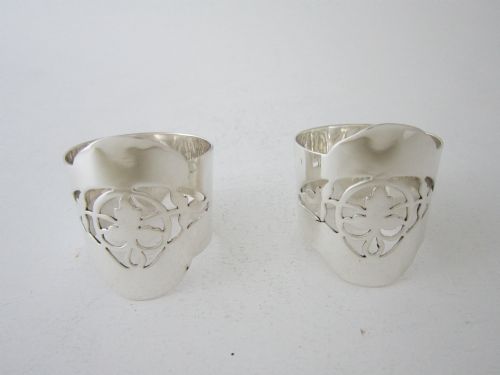
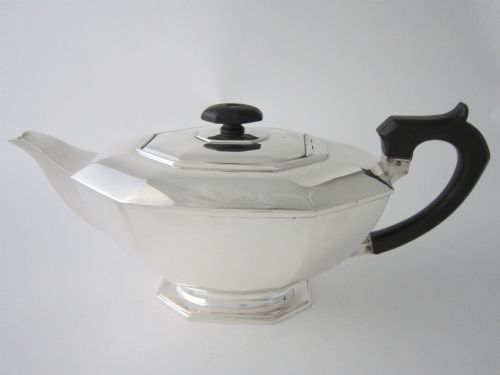
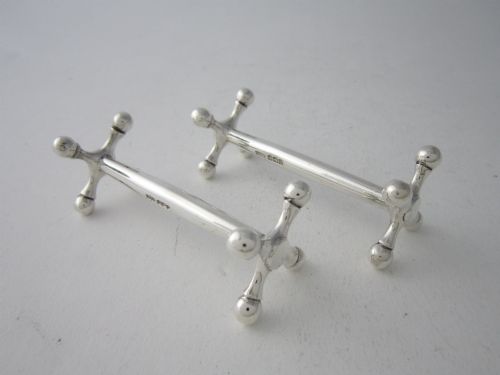
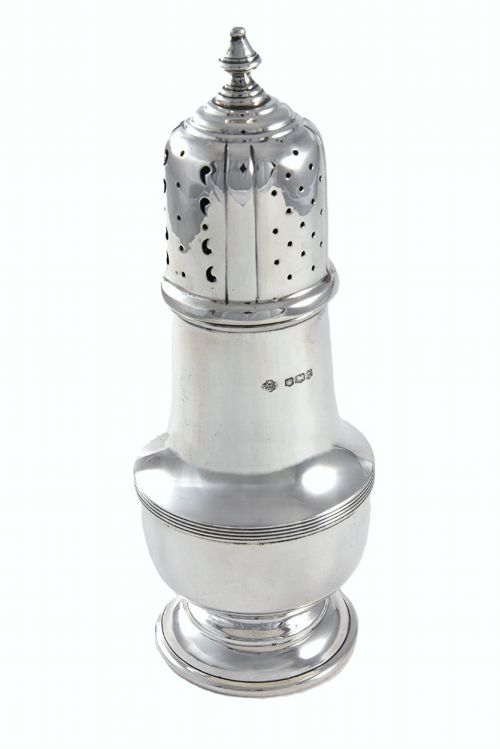
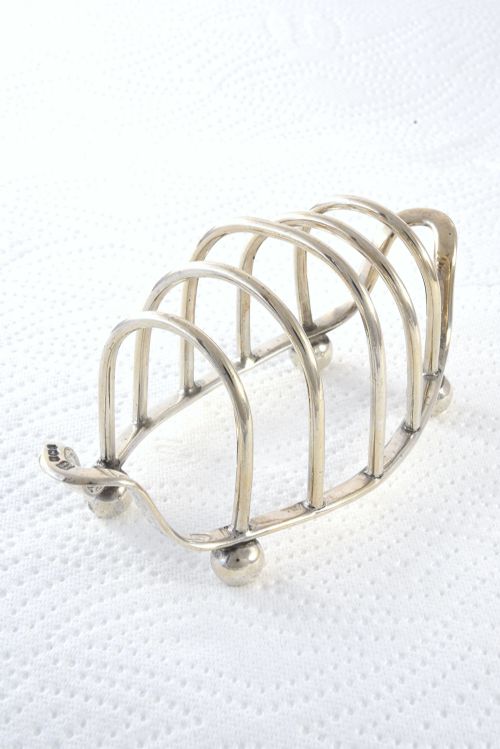
The pieces on this page lean heavily towards practical forms such as teapots, condiment sets, sugar sifters, napkin rings, and toast racks. Alongside these dining room essentials, you find smaller items including place card holders, rattles, and cigarette cases.
Originating largely from the mid-twentieth century, the work bridges the gap between older revivalist tastes and cleaner modernist lines. The output reflects the aesthetic demands of households maintaining traditional silver service during a turbulent decade.
Materials and Construction
Makers utilised sterling silver as the primary medium, frequently combining the metal with glass liners for condiment sets, or incorporating wood, leatherette, and ebonised elements for handles, bases, and trays. Semi-precious stones such as citrine occasionally accent smaller items like napkin rings.
Construction methods blend traditional silversmithing techniques with the geometric demands of the era. Piercing, casting, and hand-hammering appear alongside machine-stamped components, particularly in items produced in larger quantities by established manufacturing firms.
George VI Silver Retail Price Guide 2026
Typical asking prices for george vi silver among the pieces listed under this phrase on Sellingantiques today, from the lower quarter to the upper quarter. They describe what is for sale here now, not the wider market.
Among the tabletop accessories, a silver fox holds court on a place card holder.
Distinctions in Quality
The standard of george vi silver depends on the weight of the metal and the crispness of the detailing rather than mere age. Substantial gauge silver, seen in heavy water jugs or monteith bowls, offers a more satisfying tactile presence than lighter stamped alternatives.
Design execution separates standard domestic output from more ambitious workshop pieces. Clean, confident hand-chasing, secure bezels, and well-balanced handles indicate a higher level of craftsmanship from the silversmith bench.
William Neale·William Adams Ltd·James Dixon & Sons Ltd·Alexander Clarke & Co·Mappin & Webb
The George VI Silver Glossary
- Sterling silver
- A silver alloy containing ninety-two point five percent pure silver and seven point five percent other metals, usually copper, to ensure durability in domestic wares.
- Condiment set
- A matched grouping of small vessels designed to hold salt, pepper, and mustard on the dining table.
- Monteith bowl
- A large ornamental punch bowl featuring a notched or scalloped rim designed to suspend glasses by their bases.
- Toast rack
- A small tabletop framework of arched silver divisions used to hold slices of toast upright and prevent them from becoming soggy.
- Shetland scoop
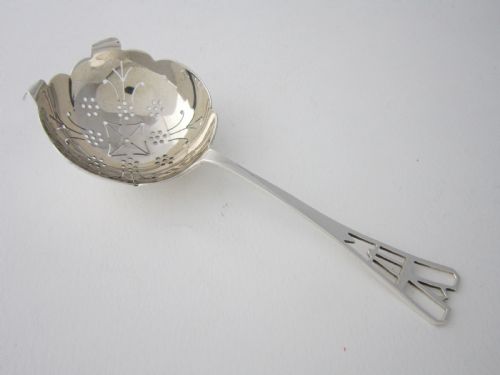
- A specialised long-handled spoon traditionally used for serving aged cheese from a stilton.
George VI Silver: Frequently Asked Questions
How do I identify george vi silver?
You identify pieces from this era by checking the hallmarks stamped into the metal. The presence of the king's head profile alongside standard assay office marks and date letters confirms the manufacturing period.
The style also offers clear clues, as many items combine traditional forms with understated geometric lines typical of the nineteen-thirties and early nineteen-forties.
Were these items used daily?
Many pieces were intended for daily domestic routines, particularly tableware such as toast racks, teapots, and mustard pots. Households relied on these sterling items for breakfast and formal dinner services alike.
Other objects, including novelty place card holders and rattles, served decorative or gift-giving purposes during social gatherings.
How should I clean my silver?
You maintain sterling silver by washing it in warm water with mild soap and drying it immediately with a soft cloth. Avoid harsh abrasive dips that strip away the natural patination built up over decades.
Regular, gentle polishing with a dedicated silver cloth keeps the metal bright without wearing down crisp hallmark stamps or decorative chasing.
What styles influenced these designs?
Makers drew inspiration from Art Deco geometry alongside revived Georgian and Arts & Crafts traditions. This mix creates a distinctive aesthetic that balances modern utility with historic precedent.
Simpler, functional forms predominated as silversmiths responded to changing domestic habits and manufacturing capabilities leading up to the second world war.