


Silver Sugar Dredger
A silver sugar dredger is a table vessel for dispensing sugar, and these sterling silver and cut glass examples bring elegance to any dining table.

Silver Sugar Dredger
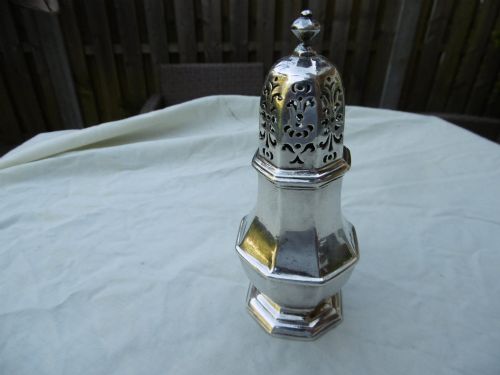
A silver sugar dredger takes the form of a shaker or caster used for sprinkling sugar over food, appearing in numerous styles across the centuries. Buyers examining this page encounter forms ranging from early eighteenth century octagonal designs to Edwardian and mid-twentieth century variations.
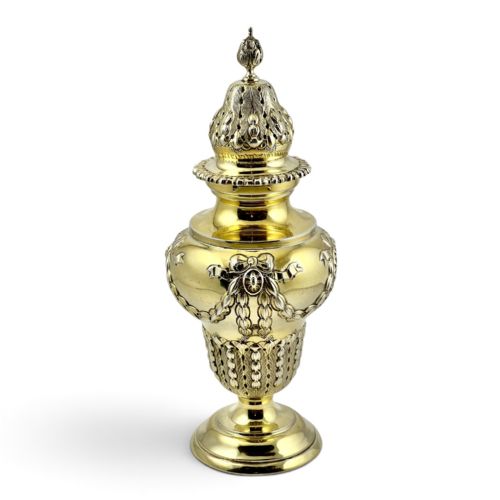
The selection includes sterling silver models alongside silver-gilt and cut glass vessels mounted in silver tops. Makers produced these pieces to serve both practical dining functions and decorative display on the sideboard.
Examples span the Georgian, Victorian, Edwardian and later periods, showing how proportions and ornamentation shifted over time while the core utilitarian purpose remained constant.

How they were made
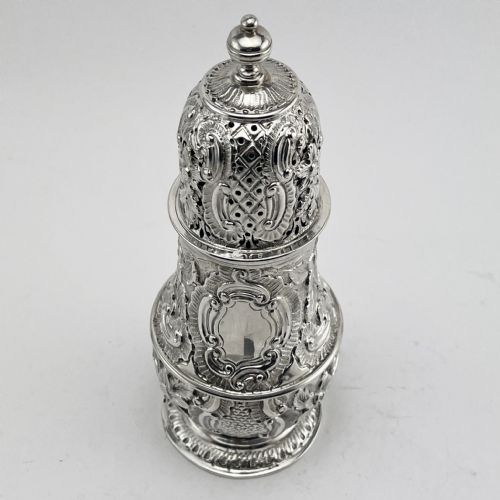
Silversmiths constructed these vessels primarily from solid sterling silver or silver-gilt, often employing techniques such as casting and piercing for the removable lids. Pierced patterns on the top allowed fine sugar to pass through evenly when shaken.
Some pieces combine heavy sterling silver bases with cut glass bodies, creating a contrast between reflective crystal and polished metal. Hallmarks stamped into the silver provide official records of the assay office, year of manufacture and maker.
Silver Sugar Dredger Retail Price Guide 2026
Typical asking prices for silver sugar dredger among the pieces listed under this phrase on Sellingantiques today, from the lower quarter to the upper quarter. They describe what is for sale here now, not the wider market.
Listings feature sterling silver, silver-gilt and cut glass materials across periods spanning the early eighteenth century to the mid-twentieth century.
What varies in quality
Quality in a silver sugar dredger rests upon the weight of the metal, the crispness of the pierced lid design and the balance of the overall proportions. Heavier gauge silver provides a substantial feel in the hand and resists denting over generations of use.
Early specimens by notable silversmiths exhibit superior engraving, armorial bearings and precise octagonal geometry that distinguish them from standard commercial production. The integration between the pierced top and the main body demonstrates the maker's precision.
Simon Pantin·Thomas Pritchard·The Barker Brothers·James Dixon And Sons Ltd·Evald Nielsen
The Silver Sugar Dredger Glossary
- Sterling Silver
- An alloy consisting of a high purity of silver combined with small amounts of other metals to ensure durability. This standard material forms the body of most traditional dining silver.
- Silver-Gilt
- Silver that has been coated with a thin layer of gold on its surface, giving it a warm golden appearance. This technique protected the underlying metal and added visual richness.
- Caster
- A small container with a perforated lid used for sprinkling fine substances like sugar or spices over food. These vessels often feature bayonet or screw-fit tops.
- Hallmark
- A series of official marks stamped onto precious metal items to guarantee their purity and origin. These stamps typically indicate the maker, assay office and date letter.
Silver Sugar Dredger: Frequently Asked Questions
What is a silver sugar dredger used for?
A silver sugar dredger functions as a tabletop shaker designed for dispensing fine sugar onto desserts, fruit or pastries. Households utilised them during formal dining to allow guests or hosts to sweeten food individually.
Over time, changing culinary habits transformed these vessels from active dining implements into decorative collectibles that still retain their original mechanical function.
How do I clean antique silver?
Cleaning antique silver requires a soft cloth and a specialised silver polish formulated to remove tarnish without abrading the metal surface. Gentle handling preserves delicate hallmarks and engraved details accumulated over centuries.
Avoid harsh chemical dips that strip away the natural patina valued by collectors. Regular, light dusting keeps the polished surface bright between deeper cleanings.
How do I identify the date of a silver dredger?
Identifying the date relies upon reading the hallmarks stamped into the silver, which include specific symbols and letter punches corresponding to assay office records. Examining the overall style and form also offers strong clues regarding the period of manufacture.
Georgian pieces display different proportions and foot rings compared to later Victorian or Edwardian examples. Consulting authoritative silver reference books helps decode the stamped marks.
Are cut glass dredgers durable?
Cut glass dredgers combine heavy crystal bodies with silver mounts, requiring standard care to prevent chipping or cracking. The thick glass provides stability on the dining table while allowing the contents to remain visible.
Wash these pieces by hand in warm water rather than placing them in a mechanical dishwasher. Proper handling of the fitted silver top ensures the glass neck remains undamaged.