



Hallmarked Silver Caster
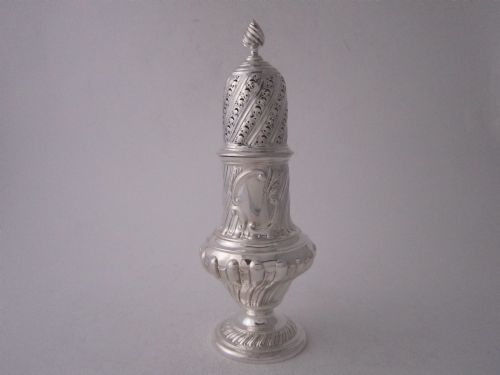
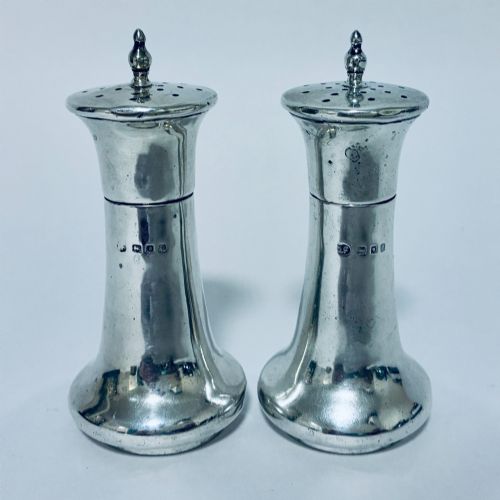
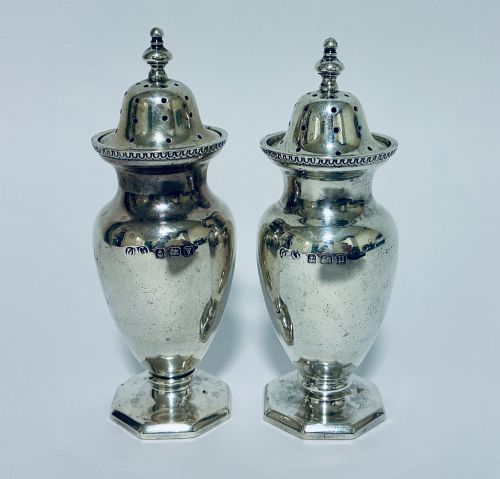
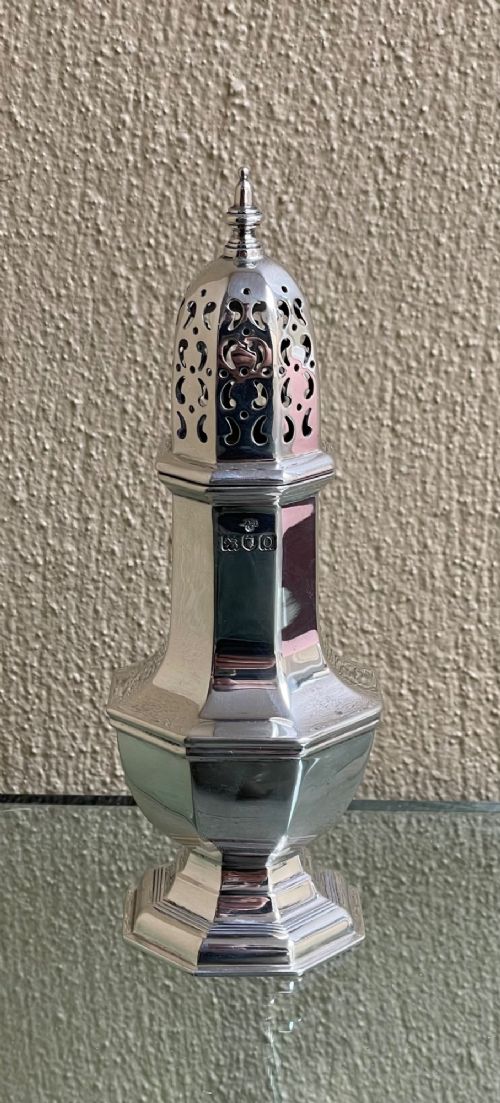
A hallmarked silver caster brings functional elegance to the table, taking the form of sugar shakers, pepper pots, and condiment sets shaped across Victorian, Edwardian, and Art Deco periods.

Hallmarked Silver Caster
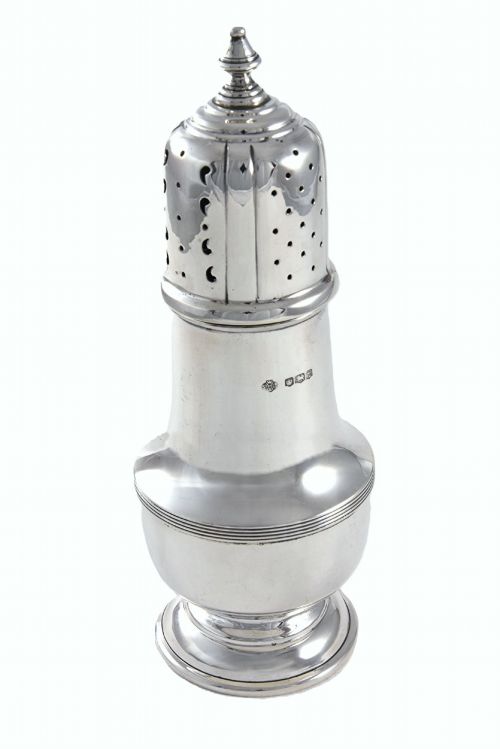
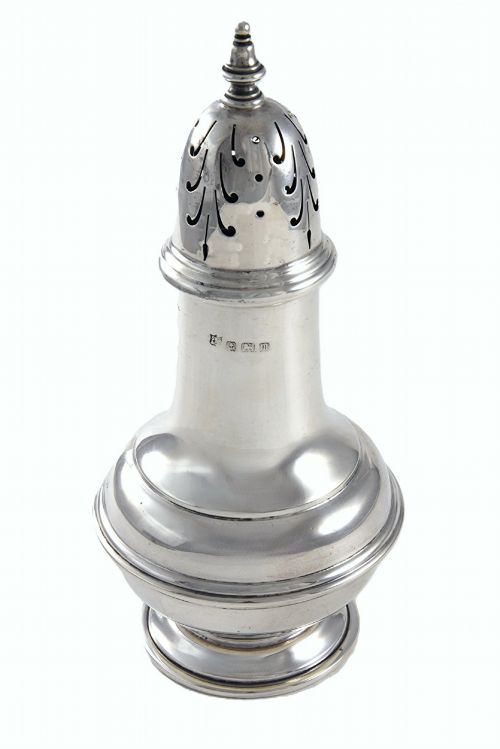
A hallmarked silver caster primarily appears as a sugar caster, sugar sifter, or pepper pot, alongside broader tableware and cruet sets. These pieces originate across the Victorian, Edwardian, and Georgian eras, extending into mid-twentieth-century designs.
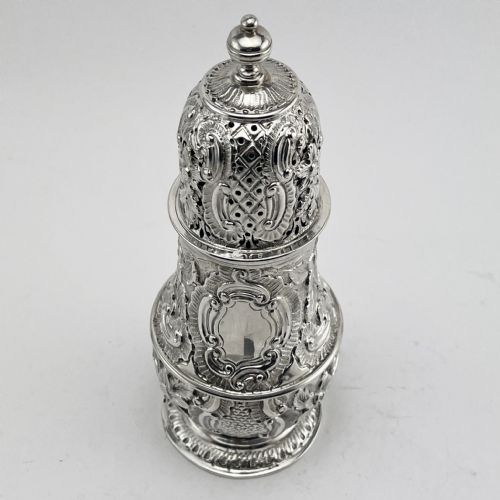
Buyers most frequently encounter solid sterling silver sugar shakers and pepper pots from the late nineteenth and early twentieth centuries. These encompass styles from Victorian florid forms to clean Art Deco polygons and lighthouse shapes.
Beyond single shakers, the selection includes matched pairs of pepperettes, novelty animal forms like owls and babies, and complete condiment sets on stands. Cut glass bodies mounted with sterling silver tops also appear alongside all-silver constructions.
Materials and Techniques
The primary material is sterling silver, worked into hollowware bodies and pierced slip-on or bayonet-fitting lids. Manufacturers utilised spinning, stamping, and casting techniques to achieve standard shapes like pear, polygon, and lighthouse forms.
Selected pieces combine sterling silver with cut glass or glass bodies, utilising secure collars and mounts. Interior components occasionally incorporate fabric linings such as velvet, silk, satin, and leatherette within fitted presentation boxes.
Listings feature sterling silver and cut glass materials shaped into sugar shakers, condiment sets, and pepper pots across Georgian, Victorian, and Art Deco periods.
Evaluating Execution
Quality rests in the crispness of the pierced pattern on the lid and the weight of the sterling silver used in the body. Thicker metal resists denting and maintains structural integrity around threaded or push-fit closures.
Maker reputation and aesthetic cohesion elevate individual pieces, particularly when decorative elements like Art Deco geometry or Victorian repoussé work are executed with sharp, deliberate precision rather than mass-produced uniformity.
Charles Thomas Fox·The Barker Brothers·James Dixon & Sons Ltd·Horace Woodward & Co Ltd·Thomas Johnson·Wilmot Manufacturing Co·Viners·Berthold Muller·Roberts & Belk·Henry Williamson·Joseph Gloster Ltd·Martin Hall & Co
The Hallmarked Silver Caster Glossary
- Hallmark
- Official stamp applied by an assay office to indicate the purity of the metal, the maker, and the year of testing. These marks provide the definitive date for antique silver items.
- Caster
- A small container with a perforated top used for sprinkling sugar, spice, or pepper over food. They frequently feature removable lids secured by push-fit or bayonet mechanisms.
- Bayonet fitting
- A fastening mechanism where the lid is pushed down and twisted to lock securely onto the body of the caster. This ensures the top stays firmly attached during use.
- Pierced work
- Metal perforated with geometric or floral patterns to allow the contents to be shaken out evenly. The neatness of the piercing indicates the maker's skill.
Hallmarked Silver Caster: Frequently Asked Questions
How do I use a silver caster?
Fill the body with fine caster sugar, spice, or pepper, ensuring the lid is securely fastened by its push-fit or bayonet mechanism before shaking.
When not in use, display the piece as part of a traditional dining table arrangement or within a cabinet alongside other tableware.
What is the difference between a sugar caster and a pepper pot?
Sugar casters are typically taller, pear-shaped or cylindrical vessels designed to hold larger quantities of sugar for dusting desserts.
Pepper pots and pepperettes are smaller individual shakers, sometimes produced in pairs or novelty animal shapes for specific table settings.
How do I date an antique silver caster?
Locate the hallmark stamps usually positioned near the rim or on the base, which include symbols for the assay office, standard silver purity, and a date letter.
Match this date letter against official assay office tables to determine the exact year the piece was hallmarked.
Are cut glass and silver casters authentic?
Yes, many makers combined cut glass bodies with solid sterling silver collars and pierced tops, particularly during the Edwardian and Art Deco periods.
The silver mounts carry full hallmarks while the glass provides weight and visual contrast.