


Victorian Silver Caster
When you examine a victorian silver caster, you hold a functional piece of nineteenth-century dining silver designed to dust sugar or spices over food.
Victorian Silver Caster
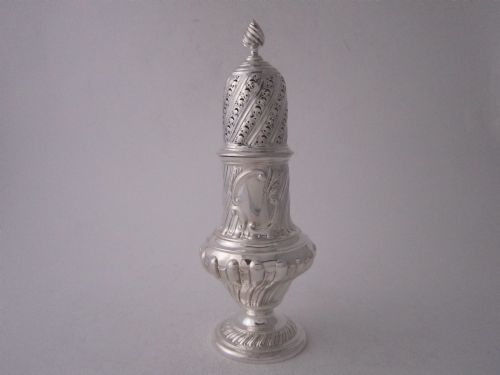
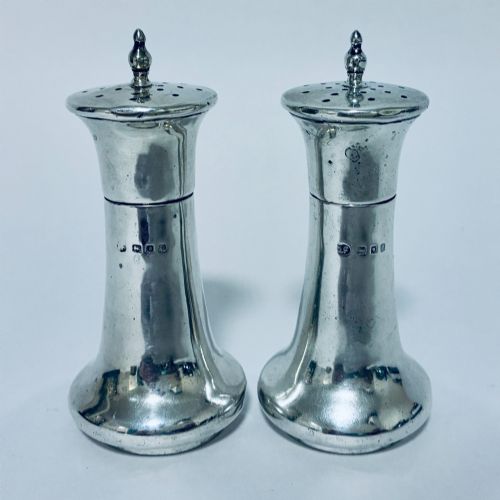
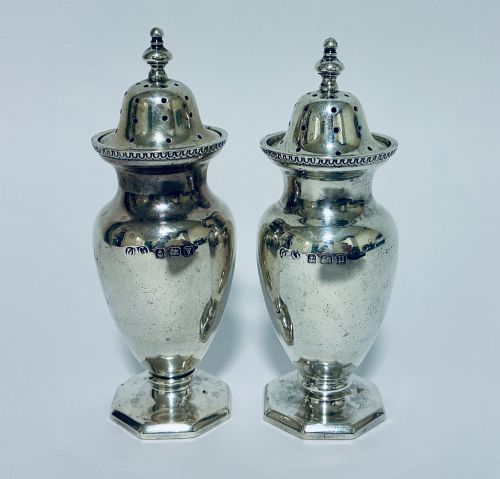
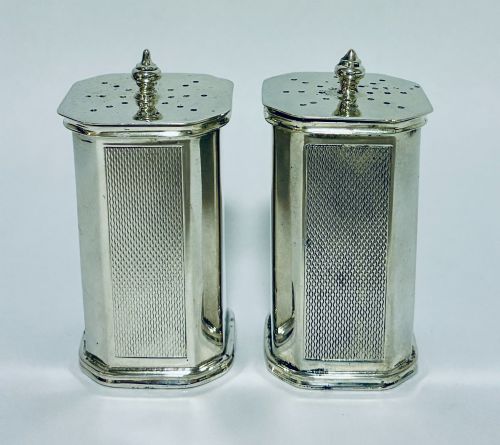
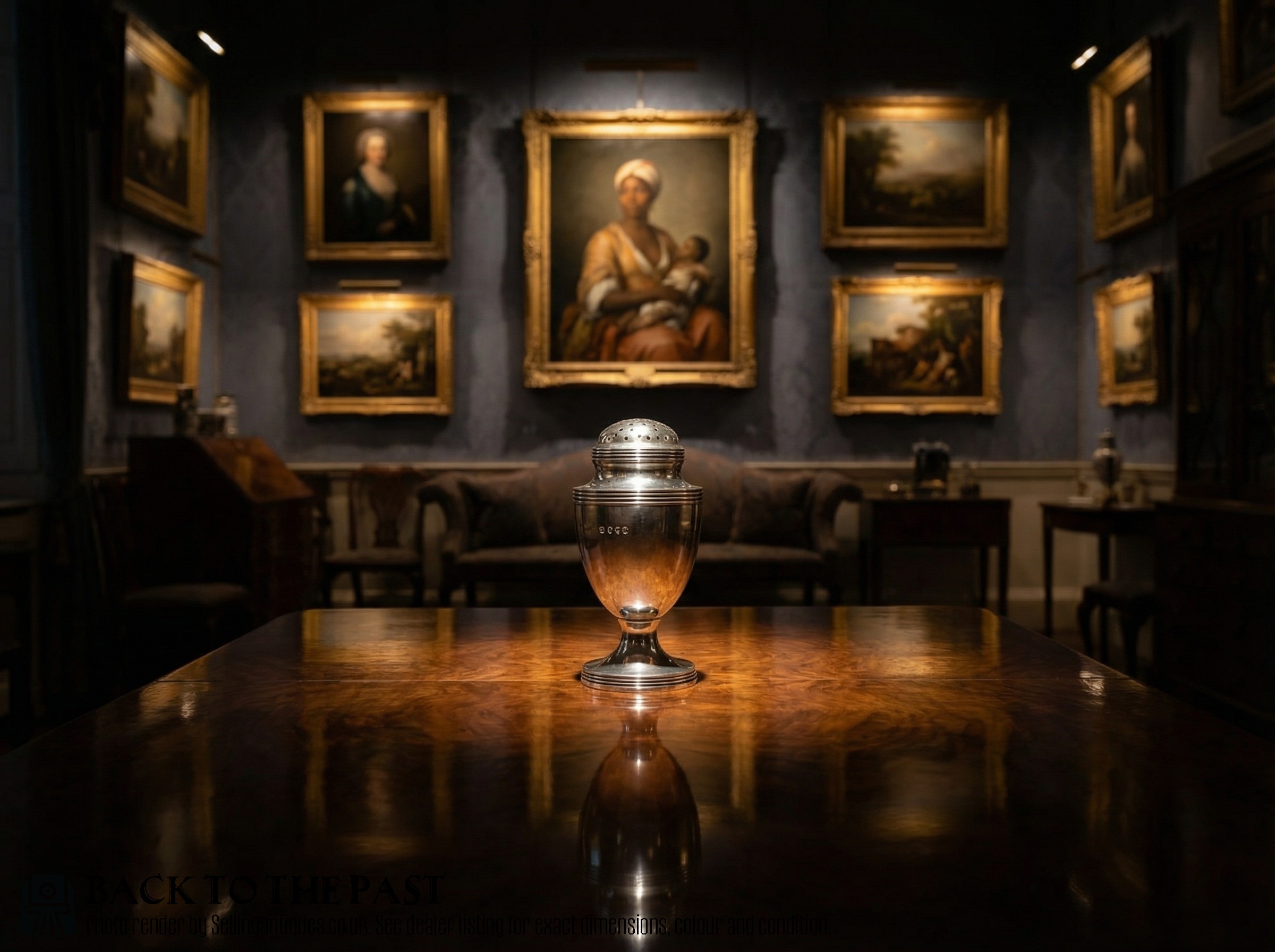
A victorian silver caster encompasses tablewares intended for sugar and spices, appearing primarily as sugar shakers, lighthouse casters, and condiment vessels alongside pepper pots.
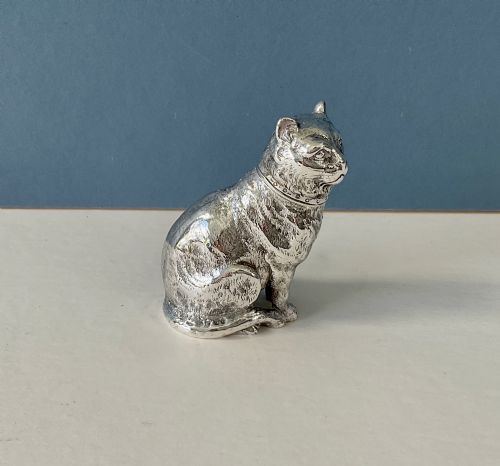
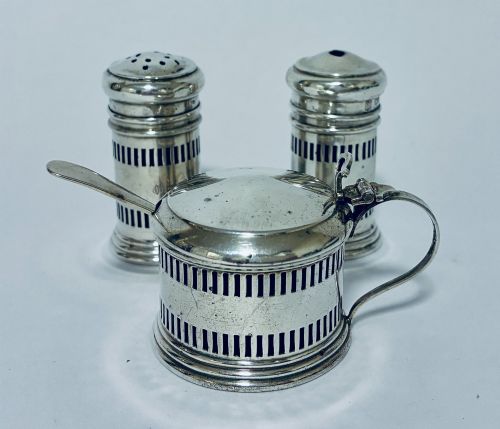
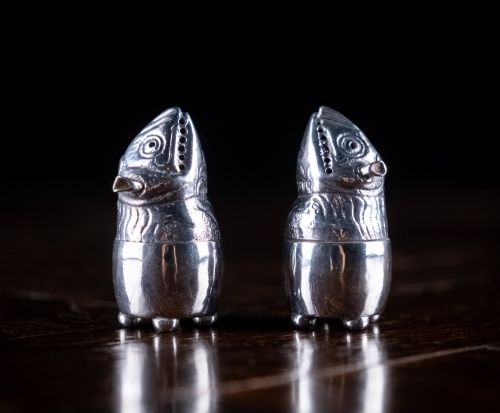
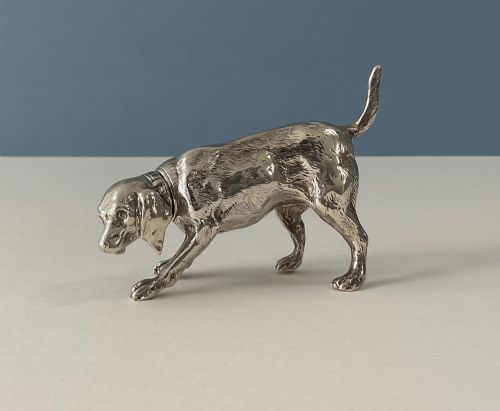
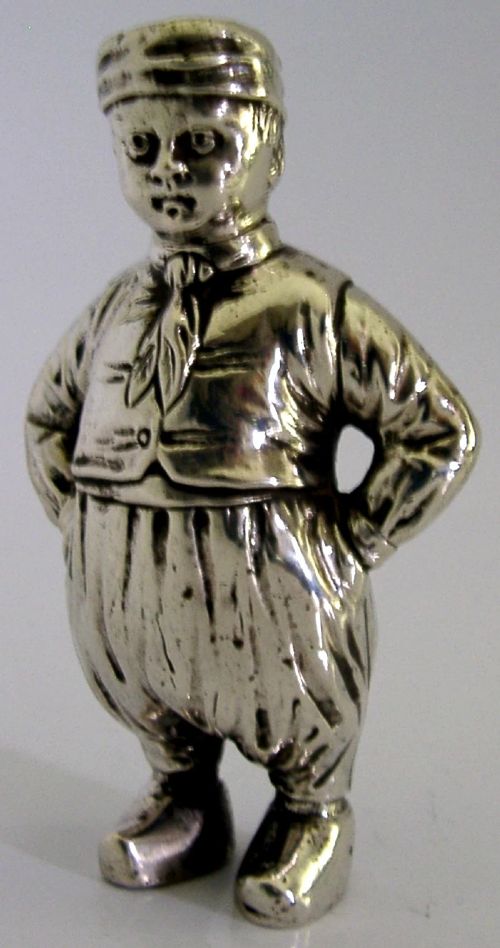
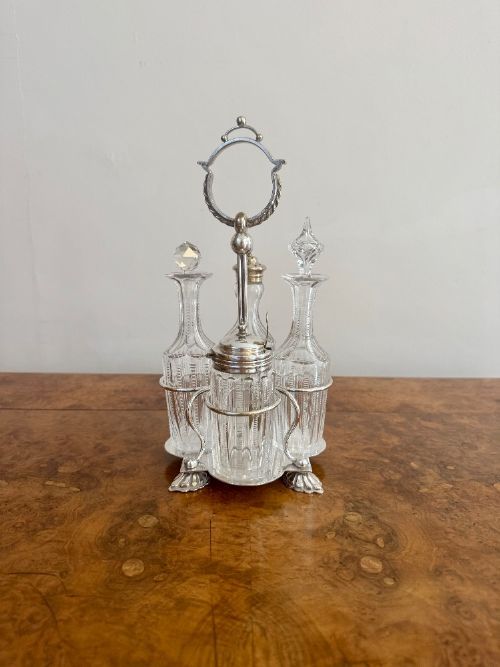
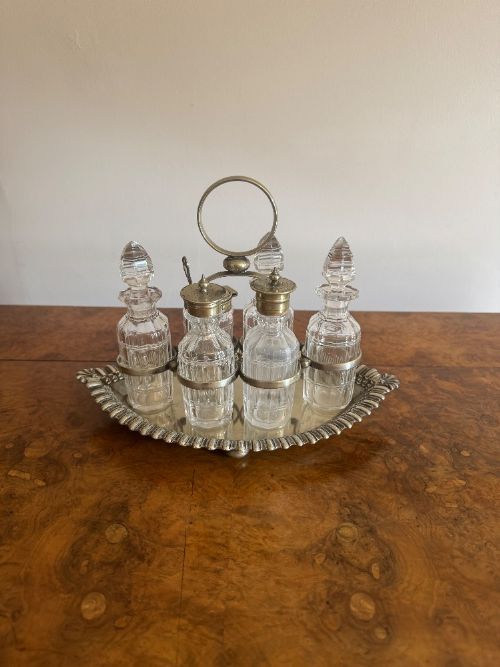
The selections on this page bridge the Victorian and Edwardian periods, including multi-bottle cruet sets and novelty figural pieces shaped as animals and characters.
Originating largely from British workshops and silversmiths active during the nineteenth century, these vessels served functional roles on formal dining tables.
Materials and Techniques
Silversmiths utilised sterling silver, solid silver, and silver plate over base metals, frequently pairing metalwork with cut glass or cranberry glass bottles.
Decoration relied on piercing, embossing, and repoussé techniques to shape floral motifs, Rococo Revival scrolls, and geometric patterns into the metal bodies.
Makers added silver gilt or applied cast figural elements to create novelty pepperettes and detailed cruet stands.
Evaluating the Pieces
The distinction between standard domestic items and superior examples rests on the crispness of the pierced lid patterns and the weight of the silver.
Novelty casters achieve greater interest through the naturalism of their animal forms and the retention of original gilding or glass inserts.
Fully legible hallmarks and well-preserved maker marks confirm the provenance and integrity of the original construction.
Frederick Brasted·Mappin Brothers·Walker and Hall·Horace Woodward and Co·Elkington and Co·Thomas Johnson·Sibray Hall and Co·Charles Stewart Harris·William Batt and Sons·Wade Wingfield Wilkins
The Victorian Silver Caster Glossary
- Caster
- A small container with a perforated lid used for sprinkling sugar or spices. These vessels typically feature baluster or lighthouse silhouettes.
- Cruet Set
- A matched collection of condiment bottles and shakers held within a standing frame. They organise mustard, oil, vinegar, and pepper on the table.
- Repoussé
- A metalworking technique where the silversmith hammers the design from the reverse side to form raised ornamentation. This creates high-relief floral and scrollwork patterns.
- Silver Gilt
- Silver that has been coated with a thin layer of gold on its interior or exterior surface. This finish protects the metal from acidic contents.
- Hallmark
- A series of official marks stamped into precious metals indicating the standard of purity, assay office, and year of manufacture.
Victorian Silver Caster: Frequently Asked Questions
What is the difference between a sugar caster and a pepper pot?
Sugar casters are taller vessels built with wider perforated domes to allow granulated sugar to pass freely over desserts and pastries.
Pepper pots stand smaller in scale with finer pierced holes designed to dispense ground spices onto savoury dishes.
How do I identify a Victorian caster from a later reproduction?
Nineteenth-century pieces carry distinct punch marks that include town assay offices, date letters, and sterling standard symbols.
Examining the internal piercing and wear patterns under the base confirms the hand-finished nature of the period.
Can I use these antique silver casters for daily dining?
Solid silver and glass vessels remain entirely functional for holding dry condiments and sugar during meals.
Hand washing with mild soap protects the antique surfaces from chemical damage while preserving the historic metal.
What are novelty casters and why were they made?
Novelty casters take the shape of animals, birds, and fictional figures to add amusement and conversation to Victorian dining tables.
Silversmiths modelled these pieces as functional sculptures that doubled as condiment containers for guests.