
Silver Table Condiments
Silver table condiments are refined dining table accessories crafted from precious metal, offering both function and timeless aesthetic appeal for formal meals.
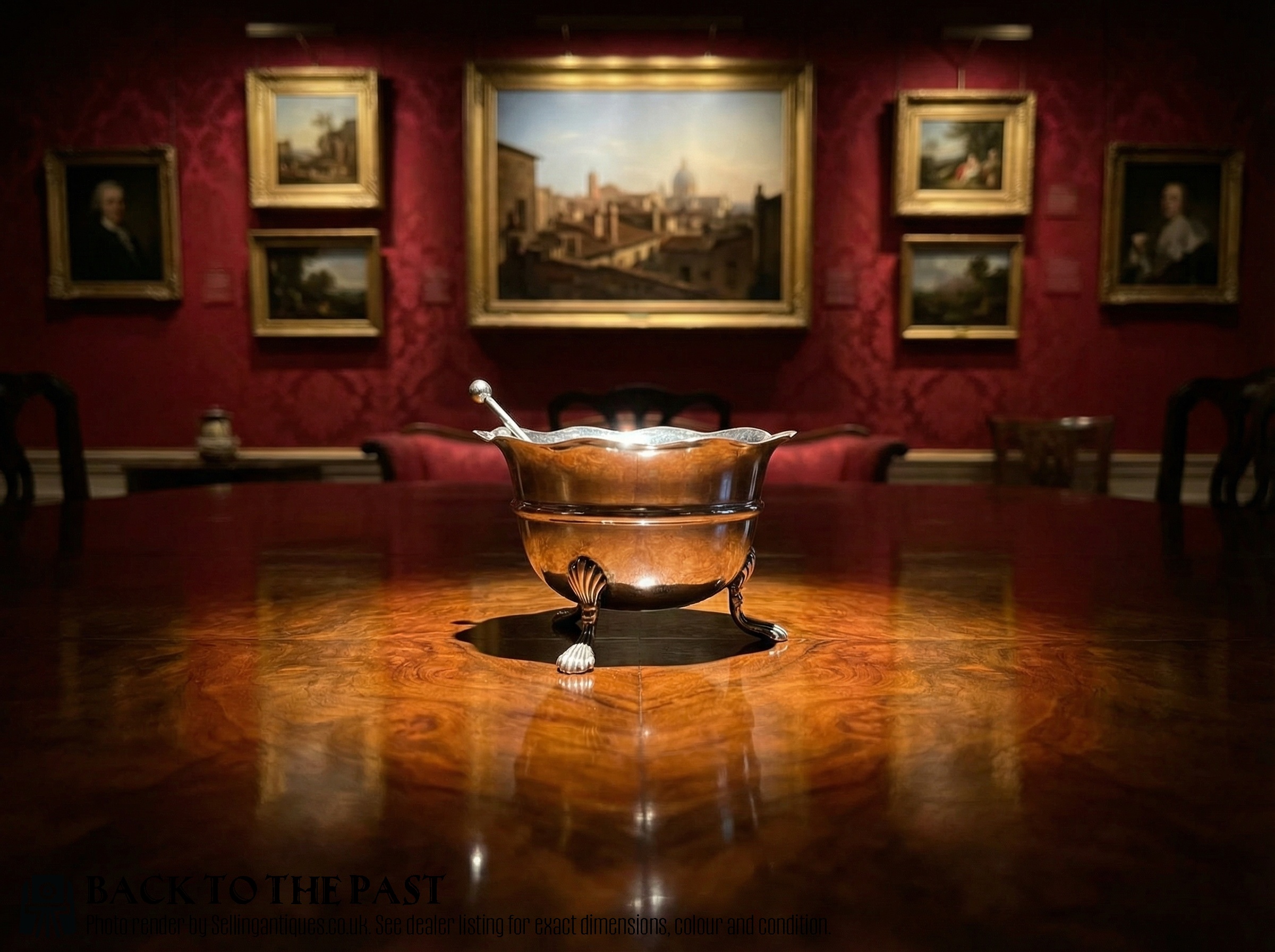
What silver table condiments are
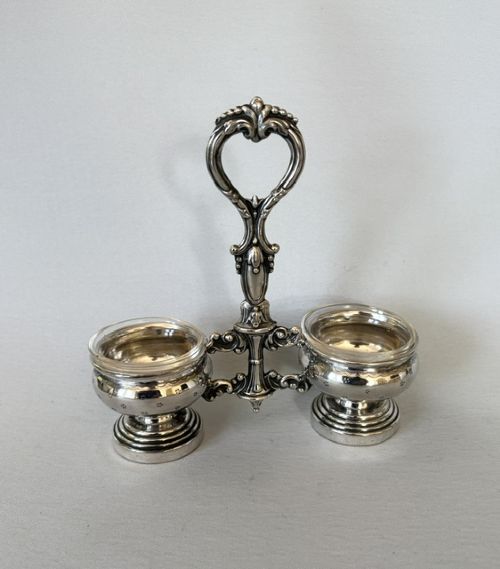
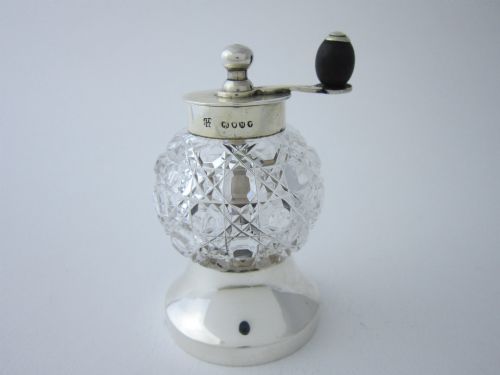
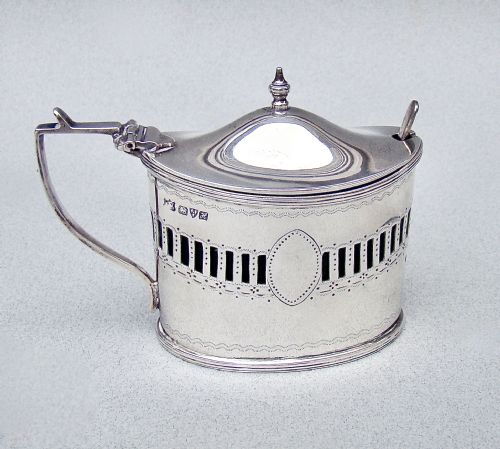
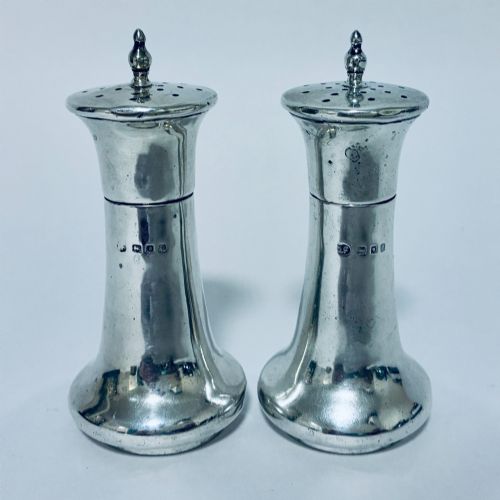
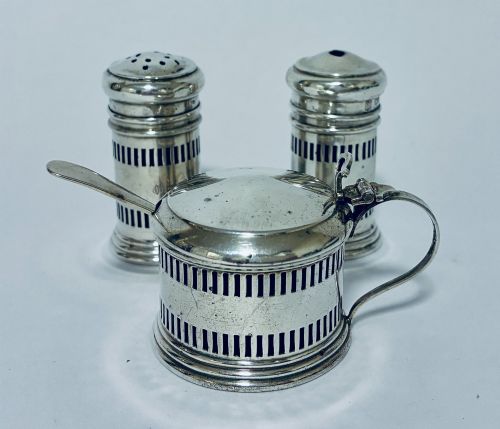
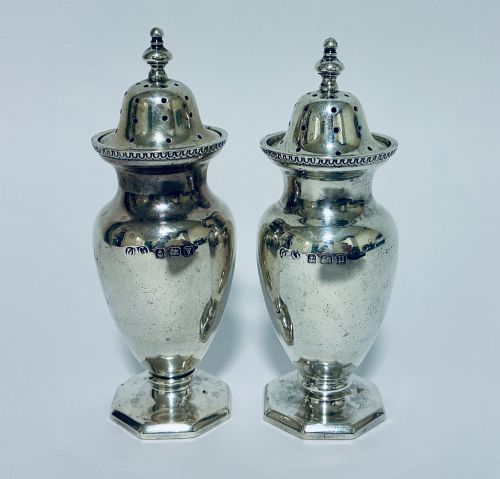
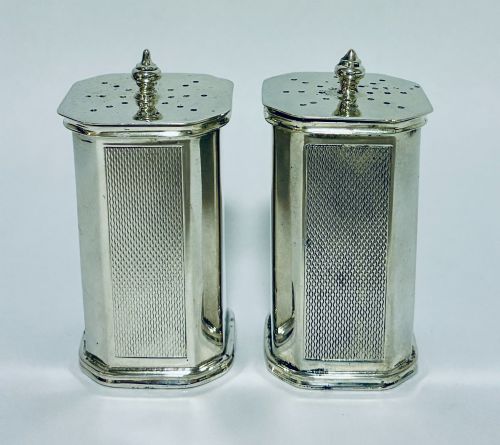
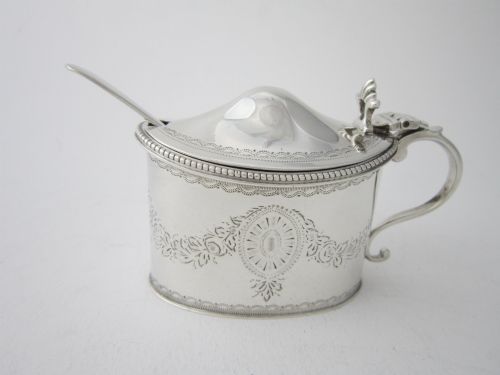
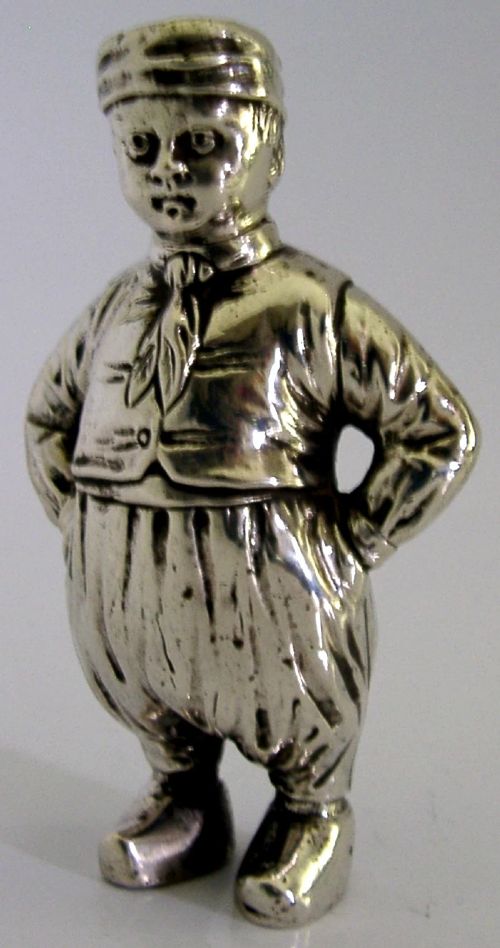
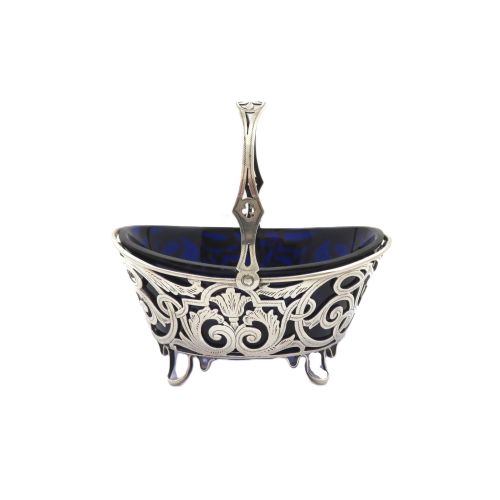
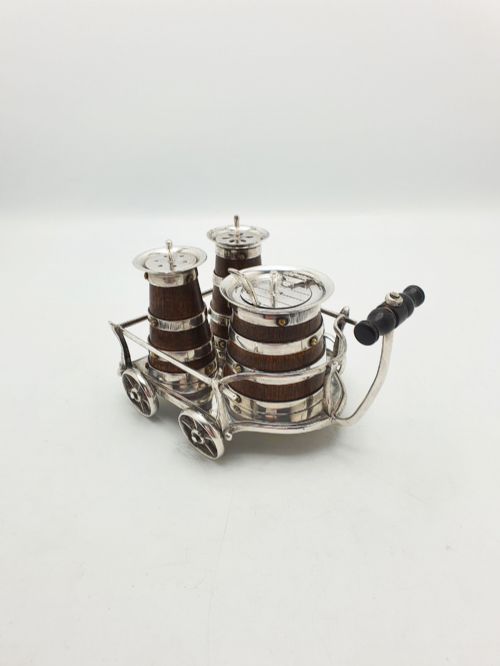
Silver table condiments encompass an array of dining table vessels designed to hold seasonings, most commonly taking the form of cruet sets, salt cellars, mustard pots, and pepper shakers. These pieces emerge across the nineteenth and twentieth centuries, spanning Victorian, Edwardian, and Georgian Revival styles.
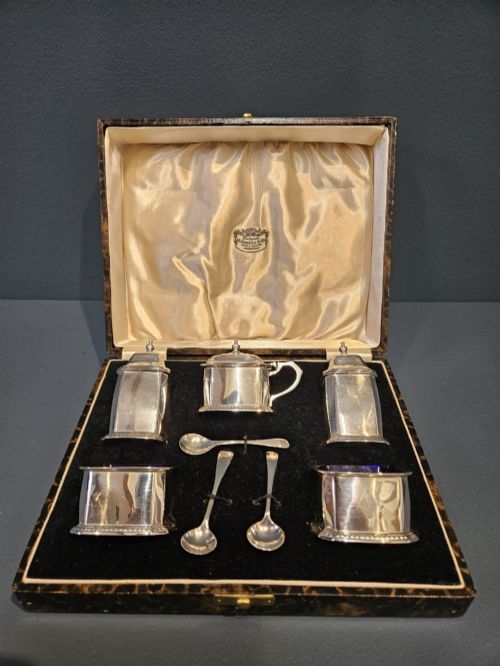
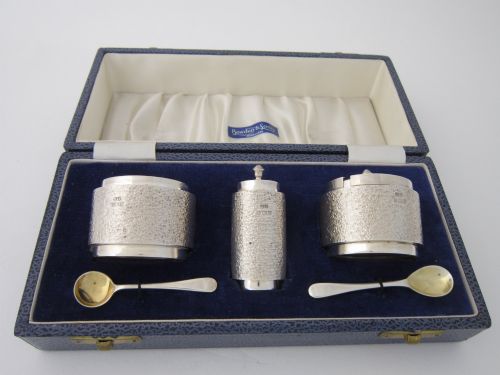
Buyers encountering this selection will frequently find complete boxed condiment sets alongside individual shaker pairs and cast silver cellars. The materials accompanying the silver often include ruby red glass liners, leatherette, velvet, and satin interiors within fitted presentation cases.
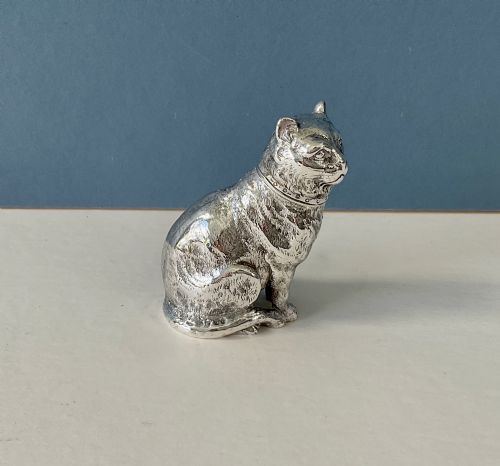
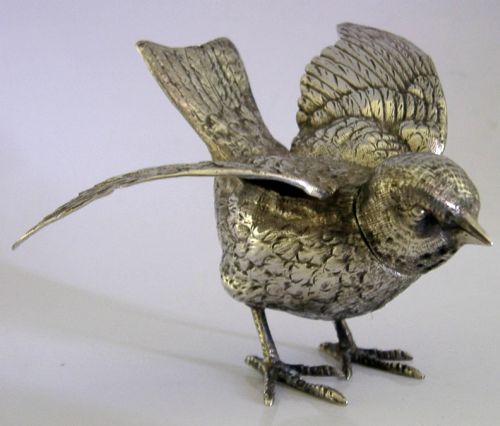
Origins represented in these dining accessories range from standard sterling silver items to more specialised novelty forms. Pieces modeled as chicks demonstrate the variety of creative designs produced by period makers during the Edwardian era.
How they were made
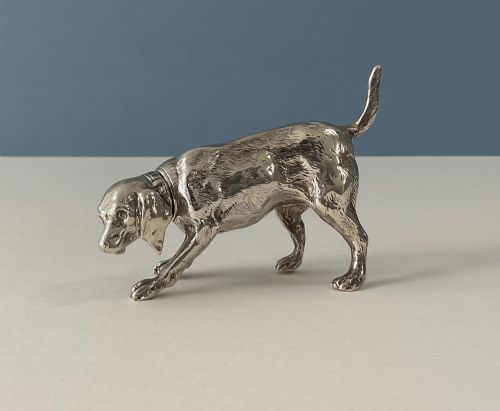
Construction relies heavily on traditional silversmithing techniques, utilising sterling silver and cast silver to shape the body of each pot, cellar, or shaker. Molten or sheet metal is formed into structured vessels, often incorporating intricate decorative motifs typical of Rococo Revival styles.
Functional interior elements require contrasting media, notably fitted ruby red glass liners designed to hold corrosive substances like mustard safely away from the metal. Presentation packaging involves textile elements such as velvet and satin housed within protective leatherette outer boxes.
Retail Price Guide 2026
Typical UK retail prices for silver table condiments, calculated from the Sellingantiques database of over a million retail prices indexed since 2003. This retail price guide relies exclusively on Sellingantiques data; no external sources or auction records are used, so the figures do not describe the wider market.
Materials recorded across the inventory include sterling silver, cast silver, glass, leatherette, velvet, and satin.
What varies in quality
Distinction across the range often rests on the complexity of the manufacturing technique, moving from standard pressed sheet silver to intricate cast silver formations. Maker attribution also plays a role, with documented workshops commanding greater attention than anonymous production.
The survival of original fitted components significantly influences the character of a set, particularly matching ruby red glass liners and complete presentation boxes featuring intact satin and velvet linings. The precision of figural modelling in novelty pieces further elevates the standard of craftsmanship.
Sampson Mordan·Berthold Muller
The Silver Table Condiments Glossary
- Cruet set
- A matched assemblage of small bottles or jars for holding condiments like vinegar, oil, salt, and pepper at the dining table. They frequently sit within a dedicated silver frame or stand.
- Salt cellar
- An open dish used to hold loose salt before the invention of the modern shaker. Guests would pinch salt from the vessel using their fingers or a small designated spoon.
- Cast silver
- Silver shaped by pouring molten metal into a mould rather than hammering or pressing sheet metal. This method allows for heavier, highly detailed decorative forms.
- Caster
- A cylindrical jar with a perforated top used for sprinkling fine sugar or dry seasonings over food. These precursors to the modern shaker date back centuries.
- Liner
- A removable glass insert placed inside a silver mustard pot or salt cellar to protect the precious metal from chemical corrosion. Ruby red glass is a common historical choice for this purpose.
Frequently Asked Questions
What is a silver cruet set?
A silver cruet set is a collection of matching containers designed to hold table seasonings and liquids in an organised manner. These sets usually feature combinations of salt cellars, pepper pots, and mustard vessels.
They frequently appear housed in fitted presentation boxes lined with velvet or satin to protect the silver and glass elements during storage.
How do I clean silver condiments?
Cleaning silver table condiments requires a gentle approach using specialist silver polish to remove tarnish without damaging delicate surface details or cast motifs. Avoid abrasive cloths that might scratch the metal.
Removable glass liners should be taken out and washed separately in warm soapy water before being dried thoroughly and placed back into the silver housing.
Are ruby red glass liners original?
Ruby red glass liners found inside Victorian mustard pots and salt cellars served a practical purpose by preventing salt and mustard acids from pitting the silver. Many surviving pieces retain these original coloured glass components.
Replacement liners do occur frequently due to accidental breakage over decades of use, so examining the fit and glass quality helps determine originality.
How do I date antique silver condiments?
Dating antique silver condiments involves examining hallmarks stamped directly onto the metal surface, which indicate the year of manufacture, assay office, and maker. Stylistic clues also provide a reliable guide.
Victorian, Edwardian, and Georgian Revival designs each exhibit distinct aesthetic characteristics, ranging from heavily ornamented Rococo revival curves to simpler twentieth-century forms.