

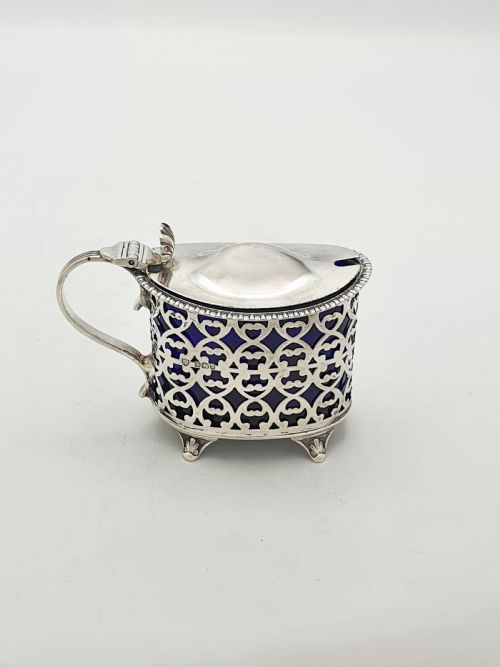


Sterling Silver Condiment Set
When seeking a sterling silver condiment set, you are looking at functional tableware designed to hold salt, mustard, and pepper.

Sterling Silver Condiment Set
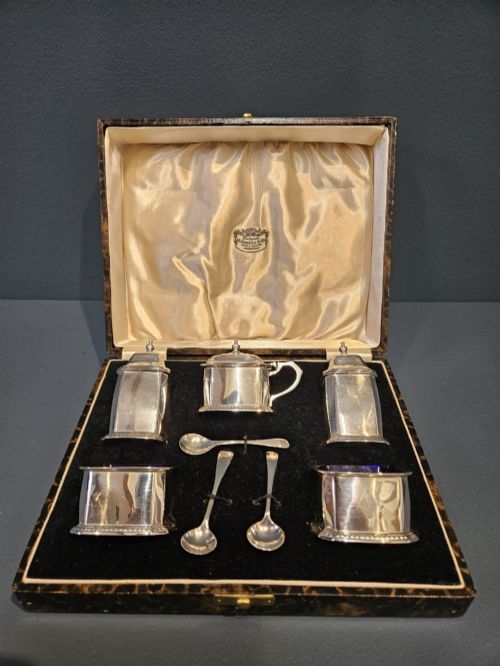
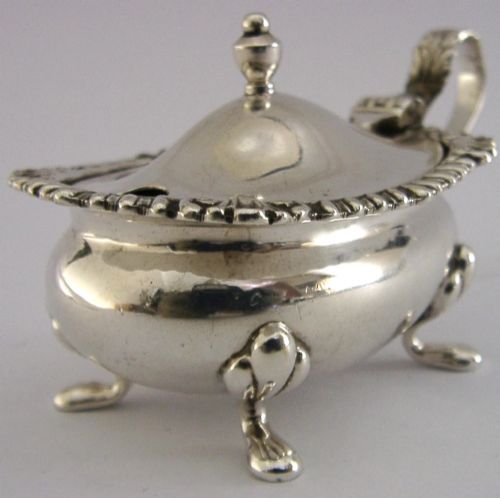
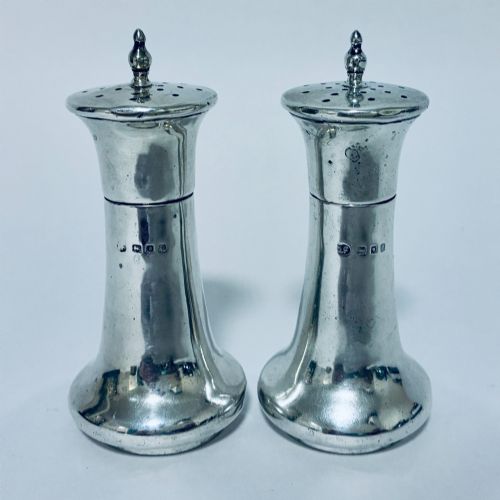
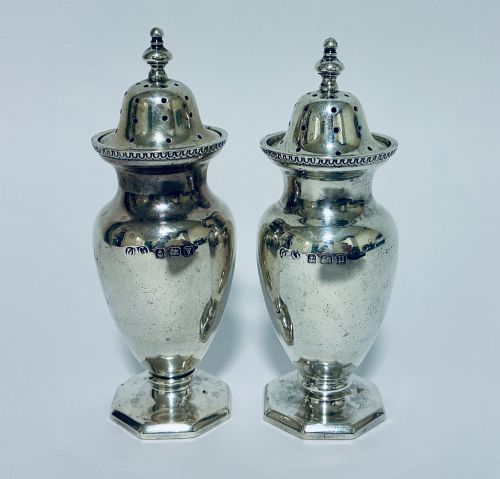
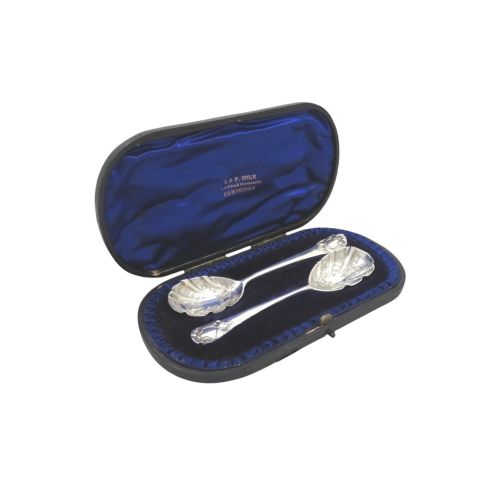
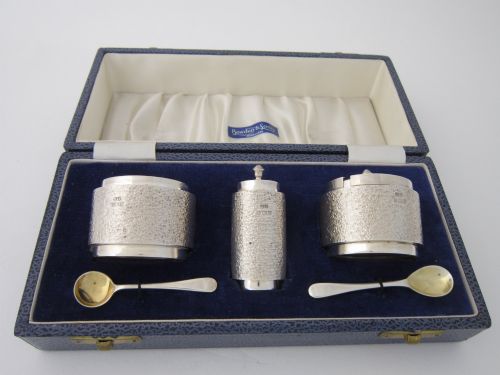
A sterling silver condiment set comprises coordinated vessels for the dining table, most frequently appearing as matched groupings of mustard pots, pepper pots, and salt cellars. These items span periods from the Georgian era through to the mid-twentieth century, showcasing designs such as Victorian novelty pieces, Edwardian frames, and streamlined Art Deco cruet sets.
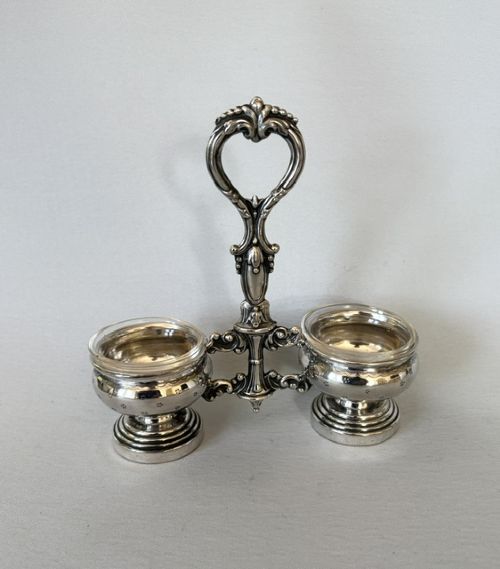
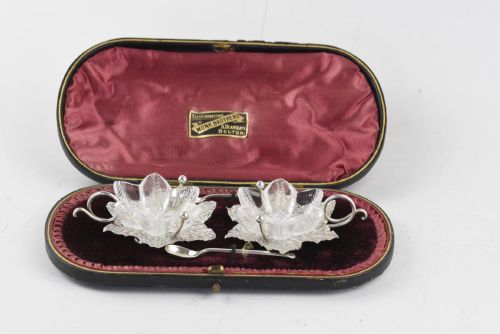
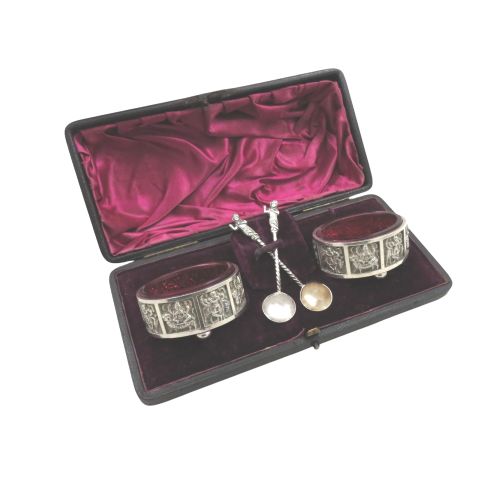
Buyers regularly encounter cased sets complete with spoons or multi-bottle cruet frames outfitted with glass bottles. The forms range from simple boat-shaped salt cellars and cauldron salts to elaborate frames housing oil and vinegar bottles or complex multi-piece table services.
Materials and Craftsmanship
Silversmiths constructed these sets primarily from sterling silver, frequently incorporating contrasting interior elements such as cobalt glass liners, velvet, and cut glass jars. Piercing, casting, and repoussé techniques shaped the silver mounts and frames.
Internal components relied on specialised materials including blue glass, cobalt glass, and clear cut glass to hold vinegars, mustards, and salts securely without corroding the metal.
Sterling Silver Condiment Set Retail Price Guide 2026
Typical asking prices for sterling silver condiment set among the pieces listed under this phrase on Sellingantiques today, from the lower quarter to the upper quarter. They describe what is for sale here now, not the wider market.
Listings feature sterling silver condiment sets spanning the Georgian, Victorian, Edwardian, and Art Deco periods, alongside mid-century Elizabeth II examples.
Distinctions in Quality
Quality rests upon the weight of the sterling silver utilised, the crispness of chased or pierced decorative details, and the completeness of matched sets with their original glass liners and spoons. Master silversmiths executed cleaner lines and sturdier frames compared to lighter, later commercial productions.
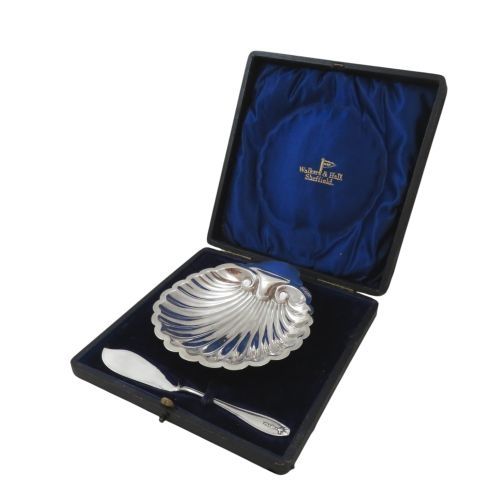
The presence of original fitted leather or silk-lined presentation cases and clearly struck hallmarks from notable makers elevate the standing of individual pieces.
Goldsmith & Silversmith's·Charles & George Fox·William Neale·Charles Thomas Fox·Matthew Boulton·Elkington & Co·Hester Bateman·Bricks & Sons·William Neale & Son·Reid & Son·R.E. Stone·Henry Clifford Davis
The Sterling Silver Condiment Set Glossary
- Cruet set
- A matched assembly of glass bottles or silver pots mounted on a shared stand for holding table condiments.
- Salt cellar
- An open vessel designed to hold dry table salt, frequently lined with cobalt or blue glass.
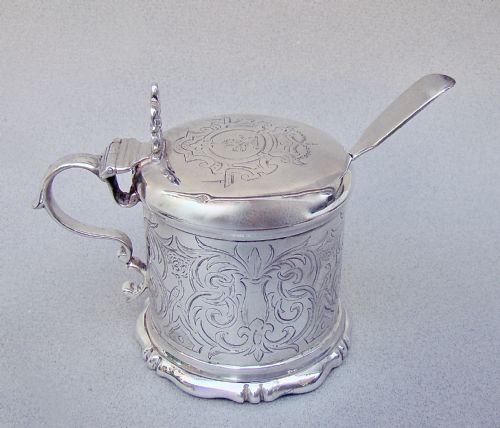
- Mustard pot
- A small covered jar equipped with a handle and a small spoon notch, intended for prepared mustard.
- Pepper caster
- A tall, pierced shaker utilised for dispensing ground pepper over food.
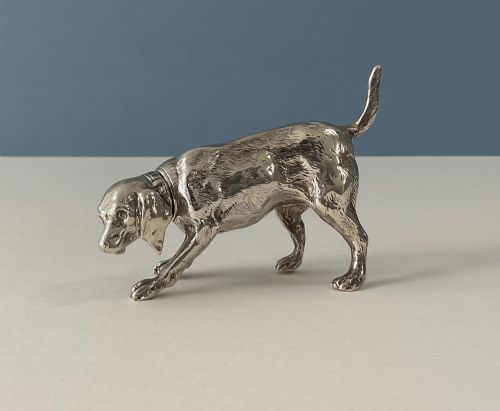
- Novelty pepper
- A shaker fashioned into the distinct shape of an animal, figure, or object rather than a traditional vessel.
Sterling Silver Condiment Set: Frequently Asked Questions
How were salt cellars used before shakers?
Dinners used open salt cellars into which guests pinched salt using small spoons or clean fingers.
Enclosed shakers only became standard practice in later decades as dining habits evolved toward individual dispensing.
Why do some pots need glass liners?
Mustard and salt corrode sterling silver over extended periods of direct contact.
Removable glass liners protected the precious metal from chemical damage while allowing easy cleaning.
What defines an Art Deco cruet set?
Art Deco pieces display geometric forms, clean lines, and stepped motifs characteristic of the interwar period.
These sets discard Victorian ornamentation in favour of stark, architectural silhouettes.
Are fitted presentation cases original?
Many sets from the Victorian and Edwardian periods were retailed in custom silk and velvet lined boxes.
These fitted cases protected the silver components and indicated a gift or high-end purchase.