
Antique Silver Salts
Antique silver salts are traditional table vessels used to hold seasoning, combining solid metalwork with coloured glass liners.
Identifying antique silver salts
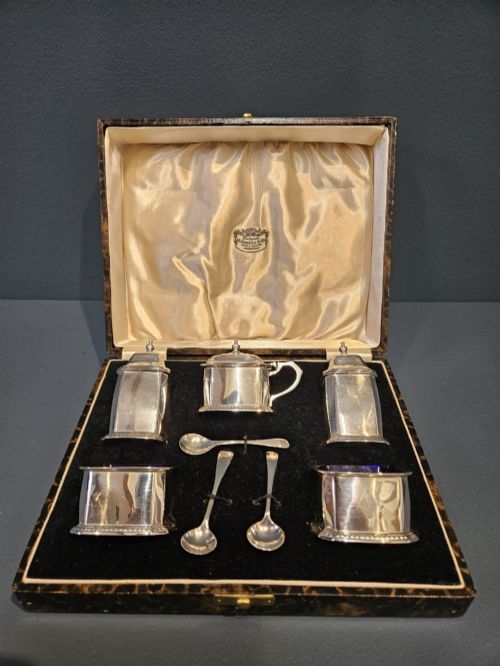
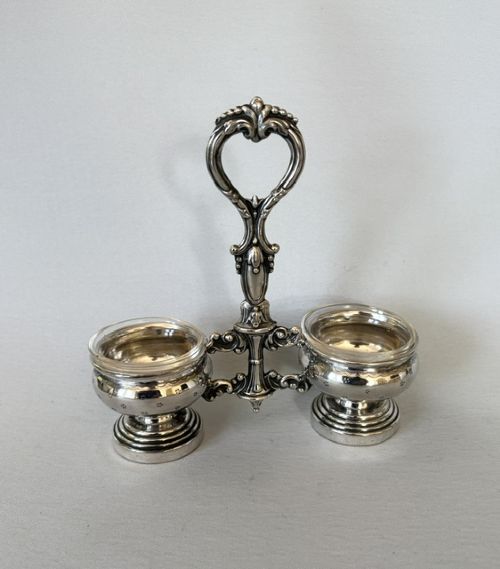
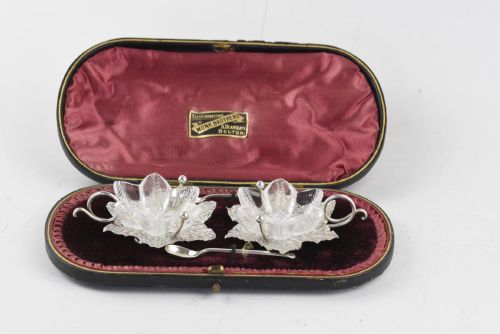
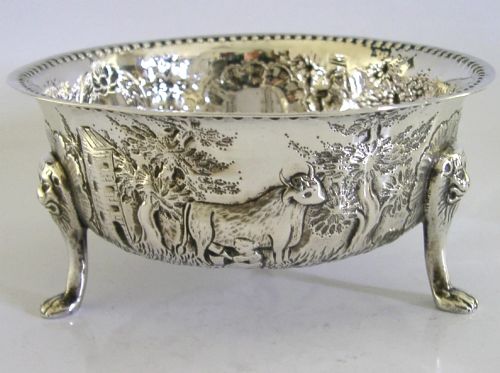
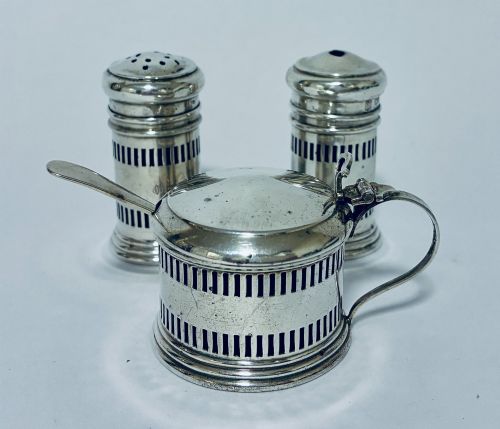
When you search for antique silver salts, you encounter small open cellars, boat-shaped vessels, and pedestal forms designed for dining tables. The most common varieties appearing here include pairs of Victorian sterling silver pieces, often complete with spoons and glass liners.
Makers produced these items in sets or pairs, incorporating shapes like shells, top hats, and boats. Georgian and Victorian examples dominate the selection, spanning periods from the early nineteenth century through to the Edwardian era.
Assessing quality
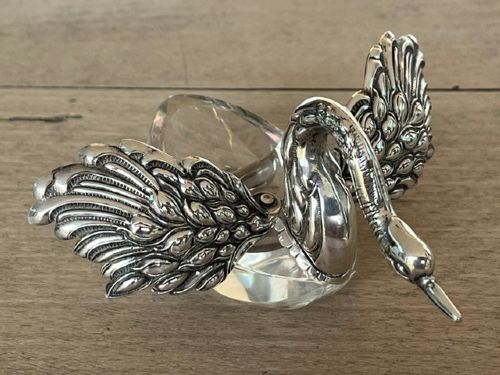
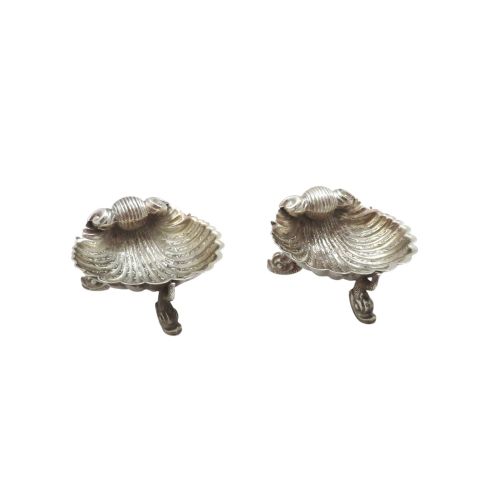
The distinction between standard pieces and finer examples rests on the crispness of cast decoration, such as intricate shell motifs or figural work, and the presence of original components like blue glass liners and matching spoons. Heavy cast weight and clear hallmarks denoting specific makers distinguish superior items from ordinary production.
Retail Price Guide 2026
Typical UK retail prices for silver salts, calculated from the Sellingantiques database of over a million retail prices indexed since 2003. This retail price guide relies exclusively on Sellingantiques data; no external sources or auction records are used, so the figures do not describe the wider market.
Some Victorian silversmiths shaped salt cellars into tiny gentleman's top hats, ready to serve seasoning with formal British etiquette.
Robert Hennell·J T Younge·Walker And Crowder·William H Leather·HJ Lias And Son·Charles Boyton·Elkington And Co
The Antique Silver Salts Glossary
- Sterling silver
- A silver alloy containing 92.5 percent pure silver by mass, forming the primary material for these table wares.
- Vermeil
- Sterling silver plated with a thin layer of gold, providing a rich yellow surface finish.
- Cobalt glass
- Deep blue glass utilised for the removable liners placed inside open silver cellars.
- Cruet set
- A matched group of small containers used for holding condiments and seasonings at the dining table.
- Navette
- A boat-shaped decorative form tapering to two distinct points at either end.
Frequently Asked Questions
How were antique silver salts used?
These vessels sat on dining tables to hold loose salt before the invention of free-flowing table salt. Diners used tiny spoons or pinched the salt directly from the open cellar.
Wealthy households displayed ornate sets as centrepieces of social status during formal meals.
How do I care for antique silver salts?
Clean the metal gently with a specialist silver cloth to remove tarnish without scrubbing away fine hallmarks or gilt layers. Remove the glass liners before washing them separately in warm soapy water.
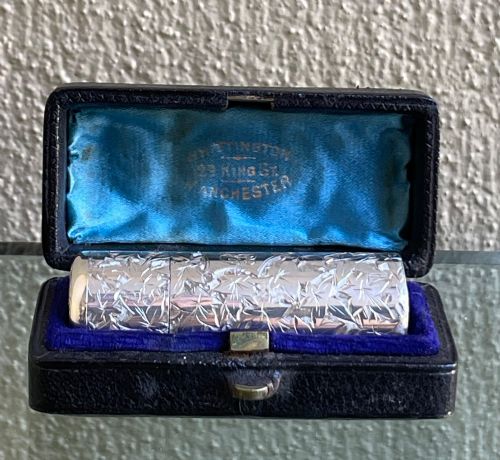
Store the pieces in dry conditions away from direct sunlight to preserve the velvet linings of fitted presentation cases.
Are glass liners original?
Original liners fit snugly into the silver framework and match the exact contours of the vessel. Cobalt blue glass liners frequently appear in Victorian and Georgian salt cellars.
Replacements are common due to breakage over centuries of domestic use.
How do I date these items?
Hallmarks stamped onto the metal provide the exact assay office, date letter, and maker's mark. Stylistic clues such as basket weave piercing or novelty top hat shapes also indicate specific Victorian or Georgian decades.