
Open Salt Cellars
Open salt cellars bring domestic history to the dining table through small vessels designed to hold loose salt before the invention of modern shakers.
Open Salt Cellars
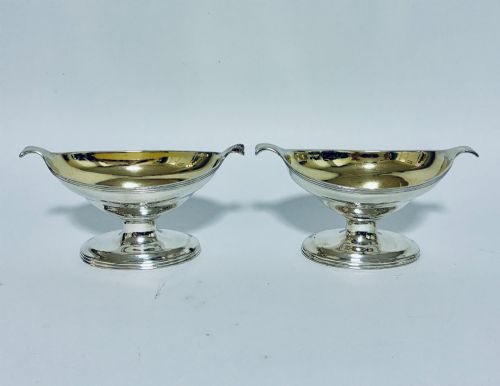
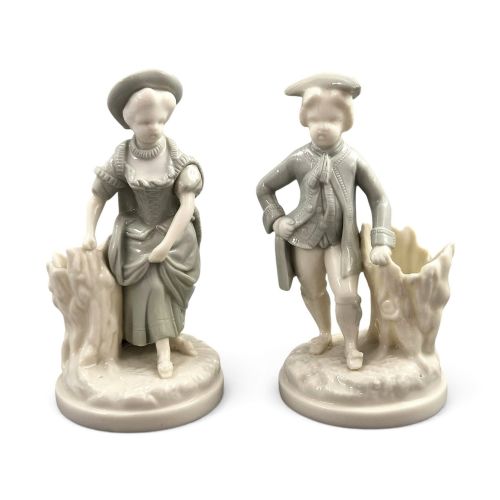
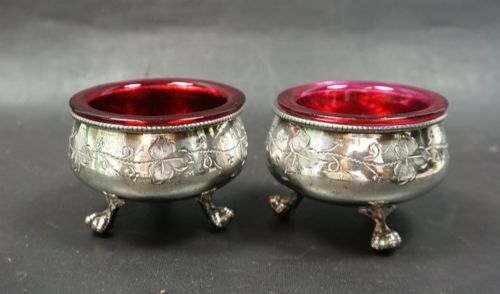
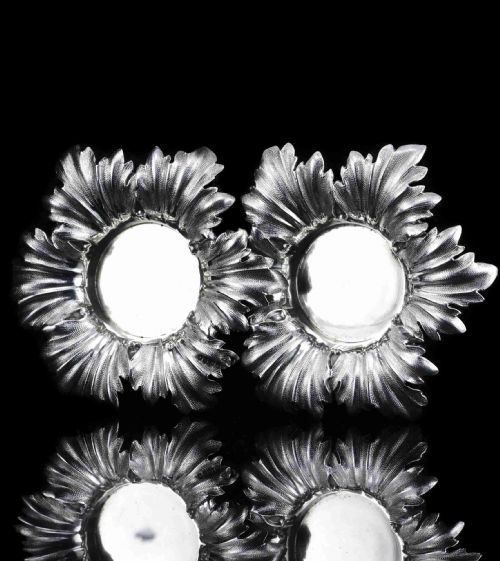
Open salt cellars comprise small table vessels designed to hold granular salt for individual diners or communal use during formal meals. When searching for open salt cellars, buyers encounter everything from Georgian silver boats and Victorian cauldron forms to delicate glass liners and figural ceramics.
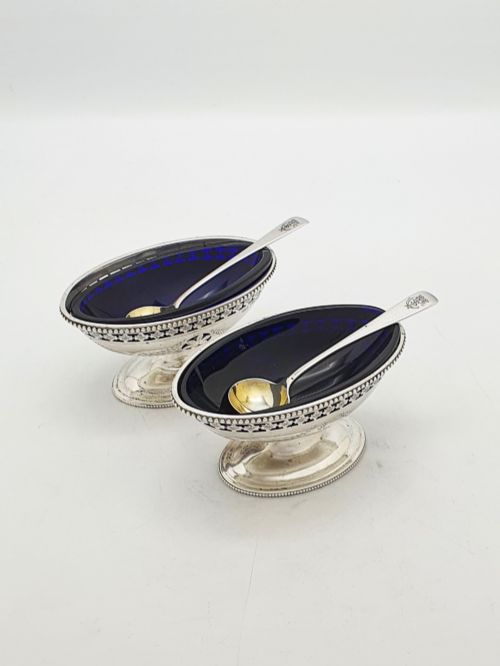
The pieces listed on this page span several centuries, with a strong representation of Victorian and Georgian silver items alongside glass and ceramic examples. Many survive in pairs or matched sets, often retaining their original fitted spoons or coloured glass inserts.
How they were made
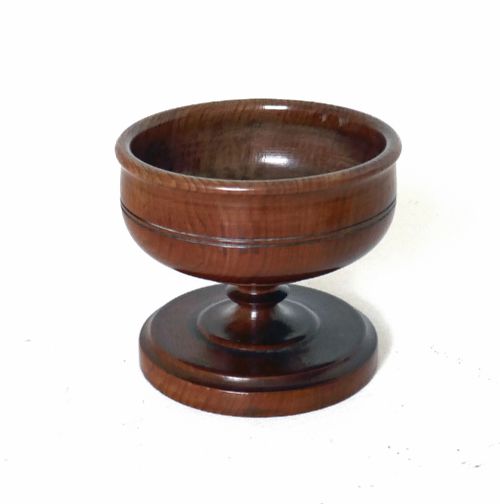
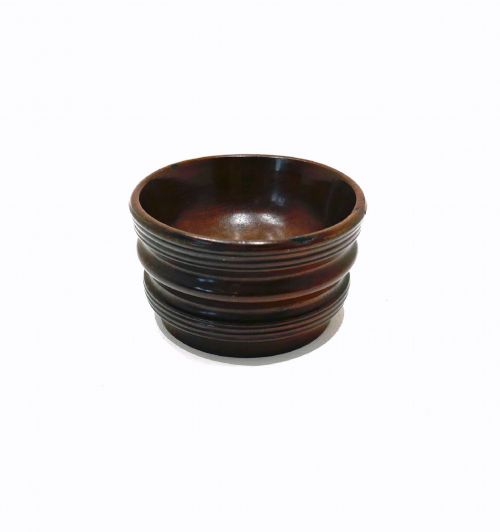
Silversmiths shaped sterling silver and silver plate through casting, hammering, and pierced wirework, frequently adding intricate foliate chasing or naturalistic floral designs. Craftsmen utilised turned wood such as yew and laburnum during the eighteenth century to create simple domestic vessels on raised bases.
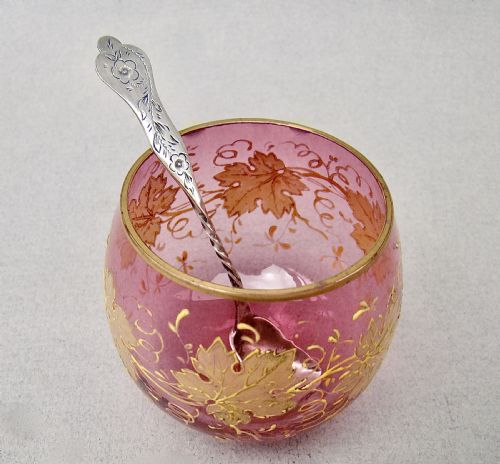
Glassmakers produced contrasting liners and bowls in cobalt, cranberry, and clear cut crystal, which often fitted neatly into pierced metal frames. Ceramic and pottery pieces incorporate hand-painted details, enamelling, and glazed finishes typical of traditional European factories.
Open Salt Cellars Retail Price Guide 2026
Typical asking prices for open salt cellars among the pieces listed under this phrase on Sellingantiques today, from the lower quarter to the upper quarter. They describe what is for sale here now, not the wider market.
Listings feature materials spanning sterling silver, silver plate, cut glass, velvet, enamel, and turned wood.
What varies in quality
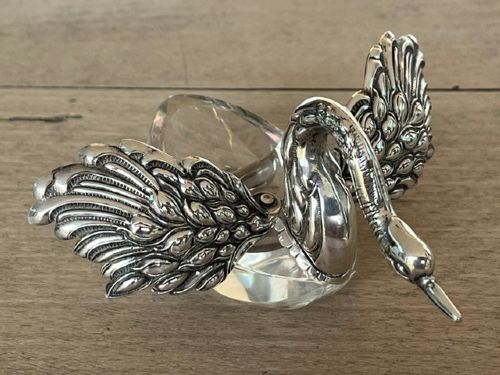
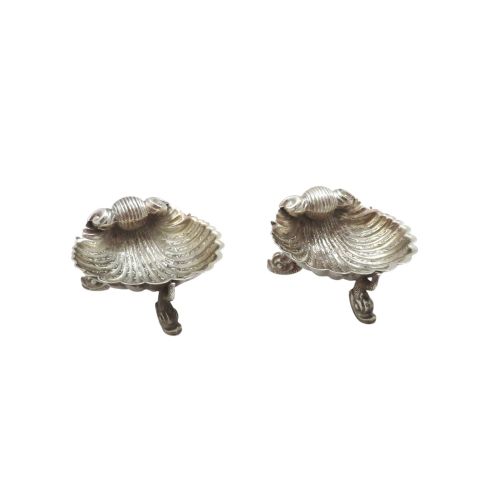
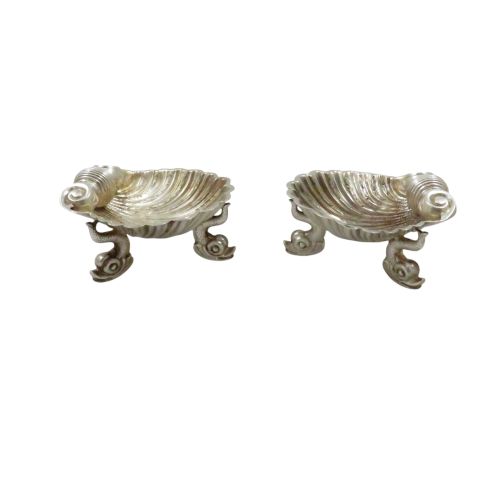
Quality rests in the crispness of the metal chasing, the weight of the silver, and the harmony between the metal holder and its glass insert. Pieces produced by noted silversmiths display superior handling of decorative motifs such as dolphin feet, bird figures, or serpentine rims.
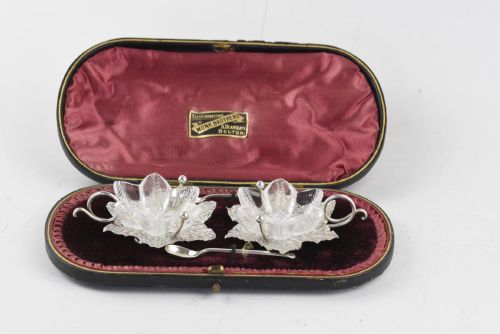
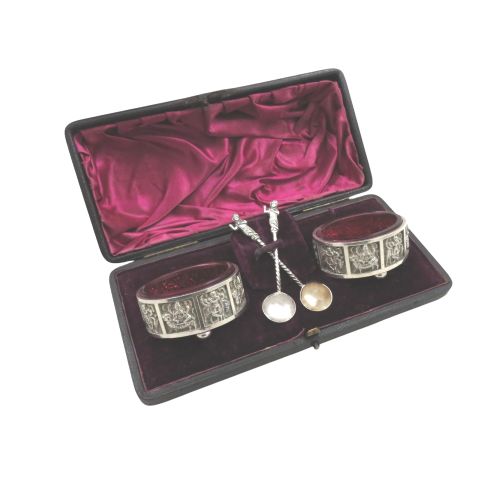
The survival of matching spoons, original presentation cases, and undamaged glass liners elevates the standing of a set. Finer ceramic and treen examples show deliberate attention to proportion, hand-painted precision, and the preservation of original surface tones.
Georg Jensen·Royal Worcester·KPM Berlin·Moser·Barnards·Josiah Williams And Co·David Hennell·John Edmonstone·William Bateman
The Open Salt Cellars Glossary
- Trencher salt
- A small, usually heavy salt cellar dating from the seventeenth or eighteenth century that sat beside the diner's trencher plate.
- Cauldron salt
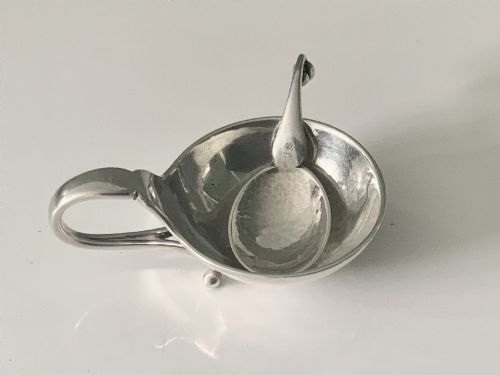
- A small bowl-shaped salt cellar supported on three feet, popular during the Georgian and Victorian periods.
- Liner
- A removable glass insert, often in cobalt or cranberry hues, designed to protect metal salt cellars from the corrosive properties of salt.
- Treen
- Small handmade wooden objects turned on a lathe, representing some of the earliest domestic kitchenware and tableware.
- Chasing
- A metalworking technique where the artisan punches and hammers the front surface to create raised decorative designs without removing material.
Open Salt Cellars: Frequently Asked Questions
How were open salt cellars used at the table?
Diners used small spoons or pinches of fingers to take salt from the open vessel and scatter it over their food before the invention of the shaker.
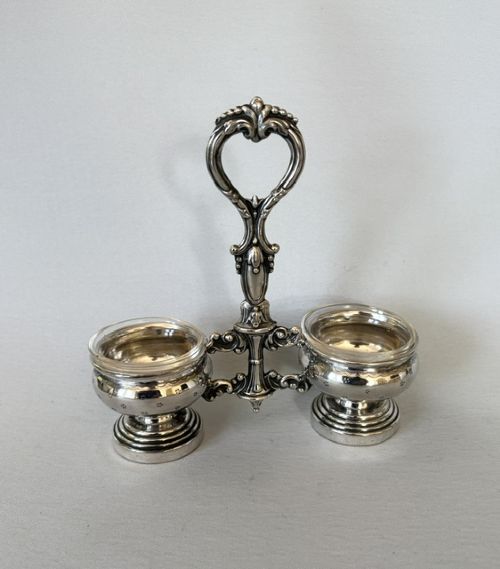
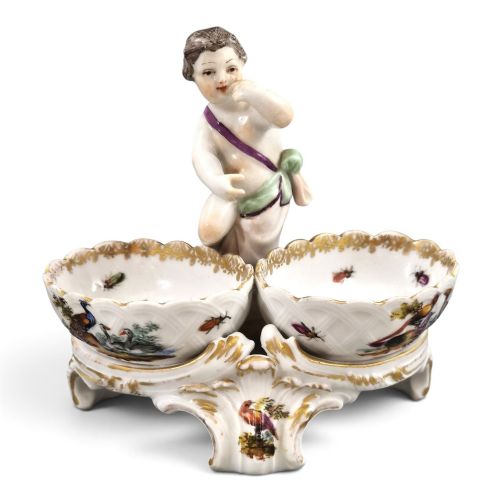
Wealthier households placed individual salts beside each place setting, while larger double salts or condiment stands served multiple guests from the centre of the table.
How do I clean antique silver salt cellars?
Silver vessels require gentle washing in warm soapy water and careful drying with a soft cloth to protect the metal surface. Harsh commercial dips can strip away desirable patinas and damage delicate glass liners or enamel work.
Glass inserts should be removed and washed separately to ensure moisture does not become trapped against the metal frame during storage.
Can I use antique salt cellars for dining today?
Modern table use is entirely possible provided the vessels are cleaned thoroughly and fitted with appropriate glass liners. Salt is naturally corrosive, so leaving loose salt directly in unlined silver or metal cellars for extended periods can pit the material.
Using a glass or ceramic liner protects the historic metal from chemical damage while maintaining the decorative appearance on the dining table.
How can I tell the difference between Georgian and Victorian salts?
Georgian salt cellars often favour restrained neoclassical lines, heavy cast construction, and simple cauldron or boat shapes produced by silversmiths. Victorian examples frequently embrace revival styles, incorporating heavier foliate chasing, naturalistic motifs, and coloured glass liners.
Examining hallmarks stamped on the metal provides a reliable guide to the exact assay office and year of manufacture.