
Antique Salt Cellars
These antique salt cellars range from Georgian boat-shaped vessels to Victorian silver shells, bringing remarkable miniature form and period craftsmanship to the dining table.

Antique Salt Cellars on the Table
Antique salt cellars form a fascinating category of tableware designed to hold seasoning before the invention of the free-flowing shaker. Buyers seeking antique salt cellars encounter diverse domestic forms spanning the Georgian, Regency, Victorian, and Edwardian eras.
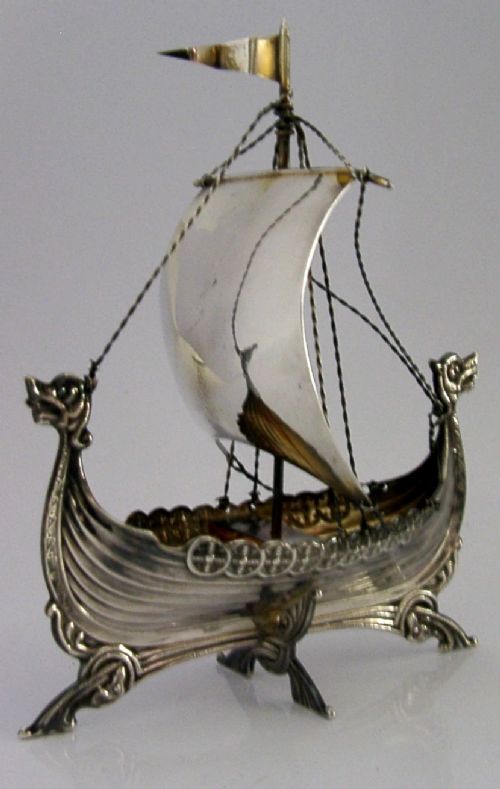
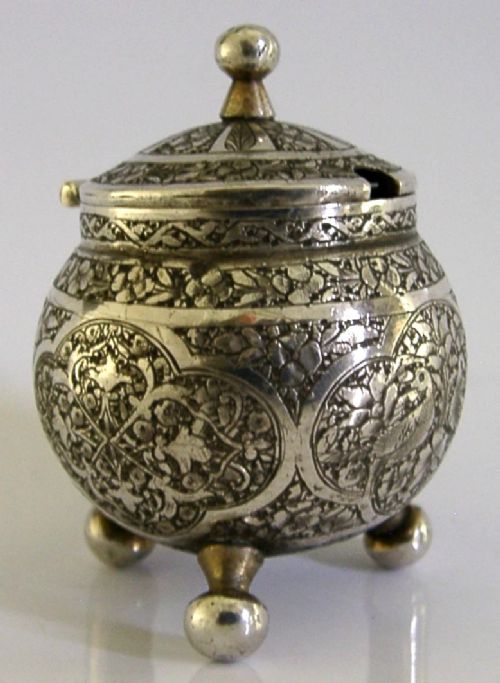
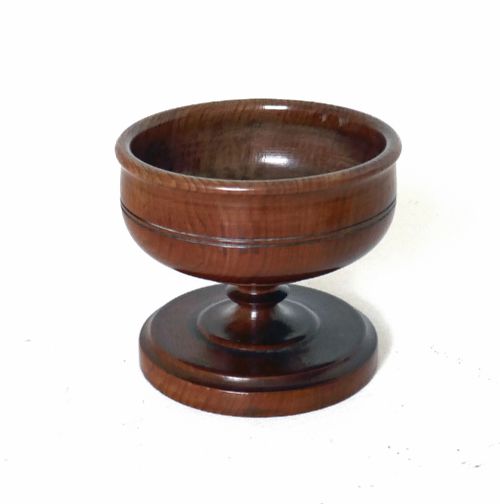
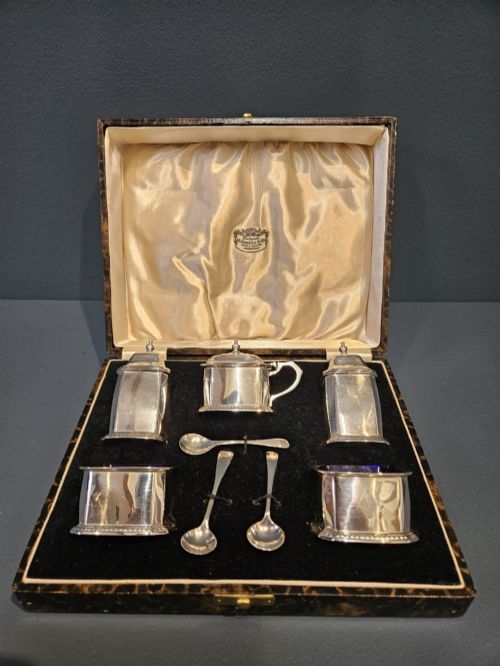
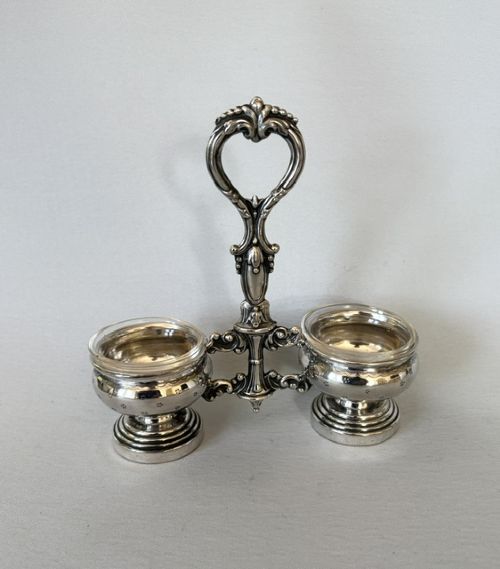
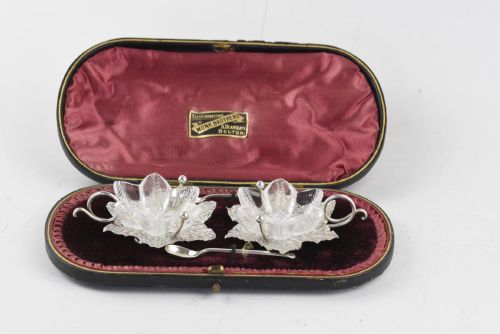
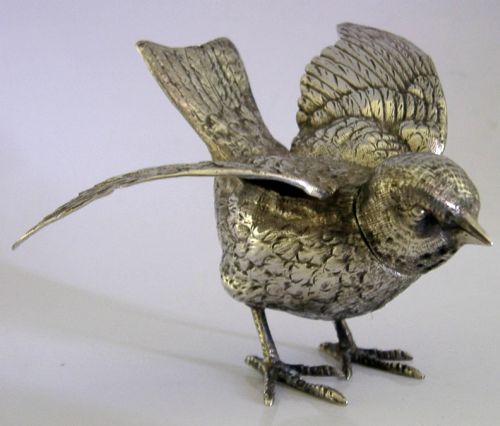
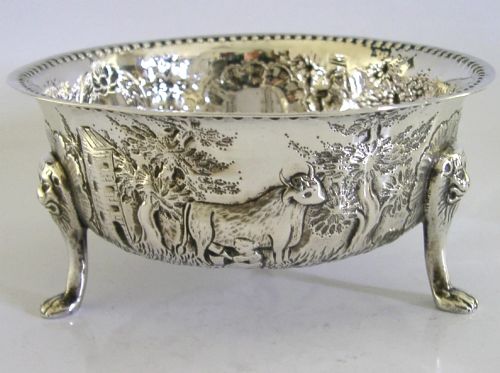
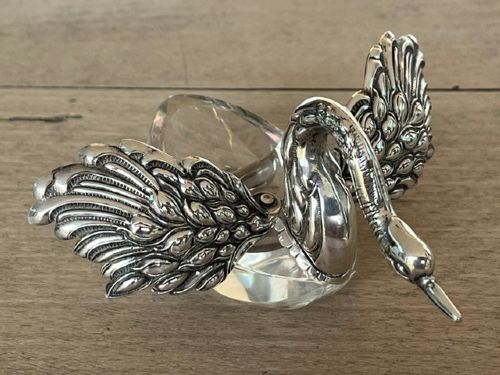
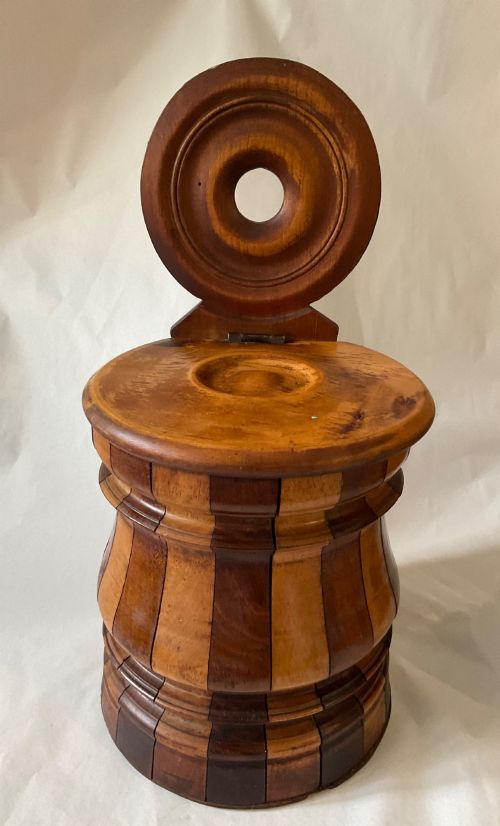
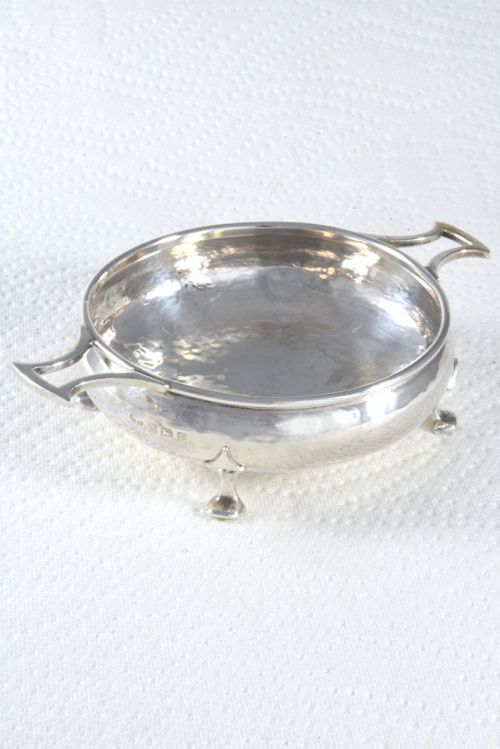
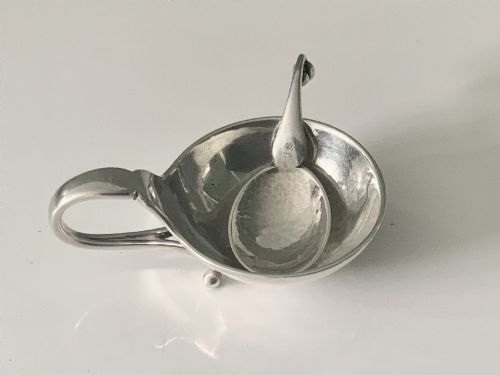
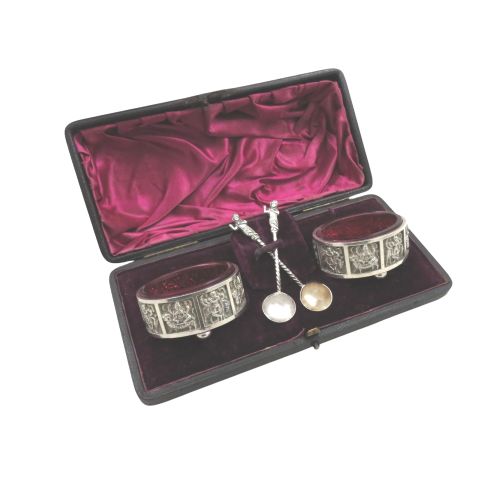
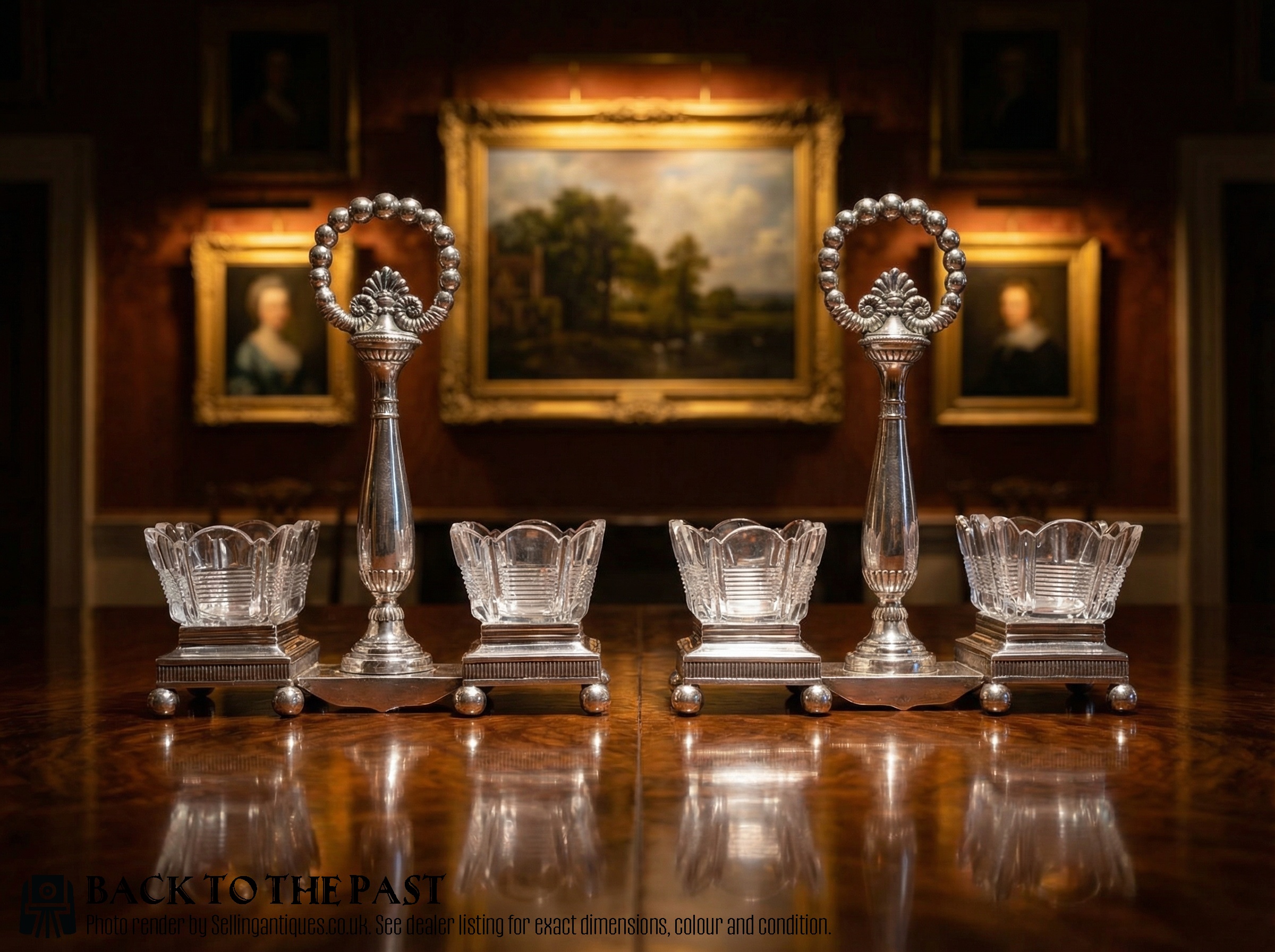
The pieces appearing here include open dishes, pedestal designs, capstan forms, and figural bowls modelled as shells or garden wheelbarrows. Silver pairs and sets dominate the selection, alongside cut glass trios and hard-paste porcelain figures.
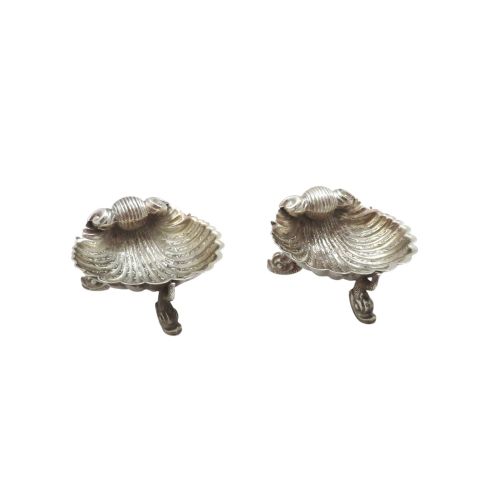
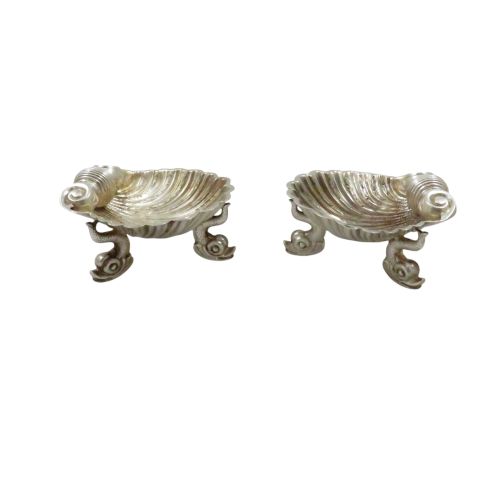
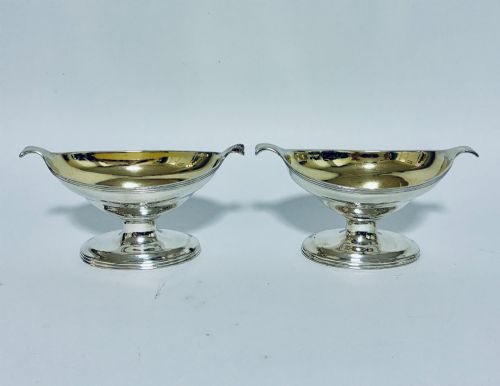
Victorian silver shell salts supported by dolphin feet sit alongside Georgian boat-shaped vessels and intricate Meissen porcelain figures. This variety reflects changing dining rituals from the late eighteenth century through to the early twentieth century.
The Distinction in Quality
Quality in these miniature vessels rests upon the crispness of the chasing, the weight of the metal or crystal, and the fidelity of figural modelling. Maker input matters significantly, as pieces originating from established workshops display superior proportions and finish.
The distinction between standard domestic wares and exceptional items lies in sculptural ambition, such as detailed dolphin supports, naturalistic wheelbarrow frames, or hand-painted polychrome porcelain detail. Complete matching sets or pairs maintain greater cohesion than assembled groups.
Retail Price Guide 2026
Typical UK retail prices for salt cellars, calculated from the Sellingantiques database of over a million retail prices indexed since 2003. This retail price guide relies exclusively on Sellingantiques data; no external sources or auction records are used, so the figures do not describe the wider market.
Listings feature sterling silver, cut glass, hard-paste porcelain, and pollard oak across Victorian, Edwardian, and Georgian periods.

Barnards·S C Younge And Co·J T Younge Walker And Crowder·Daniel And Charles Houle·F B Thomas And Co·Daniel And John Wellby·Joseph Felix Podio·Meissen
The Antique Salt Cellars Glossary
- Open salt
- A small table vessel designed to hold salt scooped out with a dedicated spoon rather than shaken from above.
- Capstan salt
- A table salt shaped like a ship's capstan, featuring a wide base and flared rim.
- Chasing
- A metalsmithing technique where the artisan pushes the metal from the front to create raised decorative patterns.
- Hard-paste porcelain
- A durable ceramic material fired at high temperatures, common in eighteenth-century continental figures.
- Polychrome enamel
- A decorative glass-based coating applied in multiple colours to ceramic surfaces.
Frequently Asked Questions
How were antique salt cellars used?
Diners used these small vessels at the table to hold salt, taking a pinch using a tiny spoon or their fingers.
They sat individually or shared between guests across formal dining tables.
What materials are salt cellars made from?
The selection includes sterling silver, lead crystal, cut glass, hard-paste porcelain, and pollard oak.
Silver and glass pieces often feature decorative chasing or shaped rims.
How do I date an antique salt cellar?
Dating relies on hallmarks stamped on silver items, stylistic traits such as Regency or Rococo Revival design, and material characteristics.
Maker marks and registration details help narrow down the exact decade of manufacture.
How do I clean antique silver salt cellars?
Cleaning requires a soft cloth and specialist silver polish applied gently to preserve chased details and hallmarks.
Harsh abrasives and chemical dips should be avoided to protect the surface finish.
Can I use antique salt cellars today?
These vessels function well on modern dining tables for serving salt, condiments, or small appetisers.
Careful hand washing ensures the silver, glass, or porcelain remains undamaged during daily use.