

Antique French Silver
Selecting antique french silver brings centuries of Parisian craftsmanship, delicate table wares and personal accessories directly into daily use.

Antique French Silver
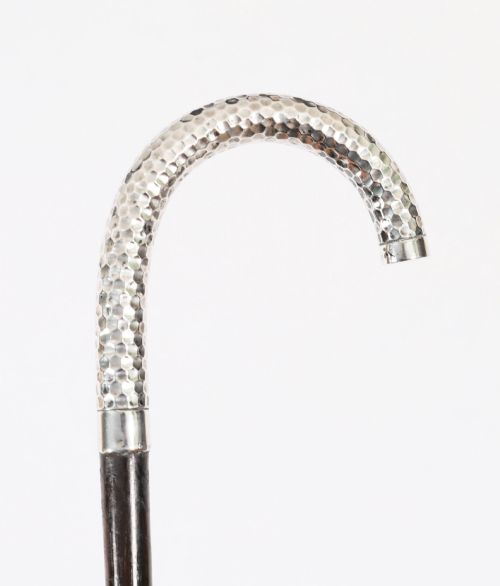
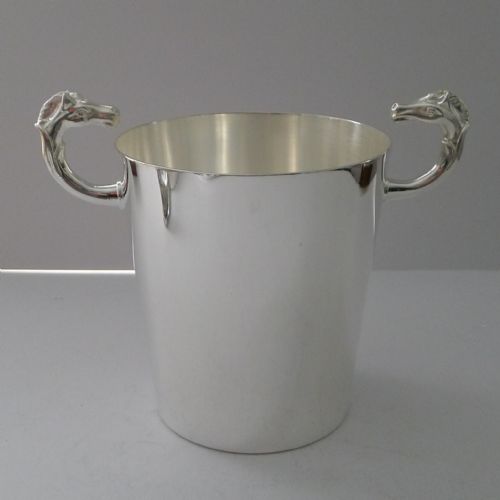
Buyers exploring antique french silver encounter an array of domestic items, personal accessories and decorative objects spanning the eighteenth to the mid-twentieth centuries. The selections range from solid sterling condiment stands and pill boxes to silver-plated wine coolers and ornate walking cane handles.
Objects originating from Paris workshops frequently display stylistic influences from the Rococo Revival, Art Nouveau and Art Deco periods. Tableware, scent bottles and vanity items dominate the available forms, reflecting the historical focus of French silversmiths on dining and personal grooming.
Materials and Techniques
Items are constructed primarily from solid sterling silver or silver plate over base metals, frequently combined with cut crystal, opaline glass and gilt accents. Silversmiths utilised casting, hand-engraving and repoussé techniques to shape intricate floral motifs and animal figures.
Gilding, known as vermeil when applied to silver, adds a warm gold surface layer to boxes, coasters and cutlery sets. Glass components on scent bottles and decanters are often hand-cut or paired with pierced silver mounts.
Art Deco cocktail sticks topped with comical golfers bring a whimsical touch to vintage home entertaining.
Evaluating Quality
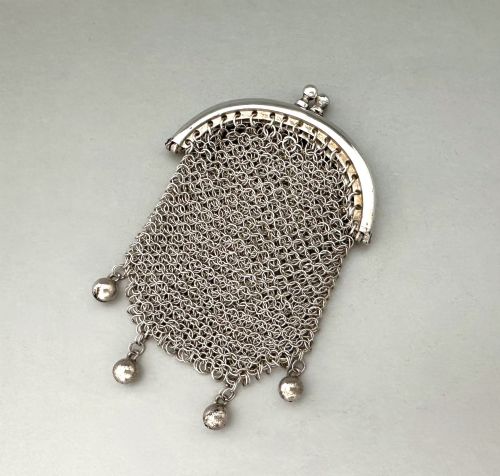
Quality rests upon the crispness of the chased or engraved detail and the structural integrity of hinged elements on boxes, purses and scent flasks. Heavier gauge metal indicates superior durability and substantial material use in larger items such as trays and holloware.
The integration of secondary materials, such as clear cut crystal paired with silver mounts or fitted glass liners, demonstrates the maker's attention to proportion and balance. Retained maker marks and control stamps offer definitive markers of origin and standard.
Hermes Paris·Christofle·Eileen Grey·Pierre le Faguays·Moser
The Antique French Silver Glossary
- Vermeil
- Sterling silver plated with a layer of gold. This finish was widely applied to decorative boxes, flatware and coasters.
- Repoussé
- A metalworking technique where the silver is hammered from the reverse side to form a raised design in relief. Artisans utilised this method to create floral patterns and animal figures.
- Sterling Silver
- An alloy consisting of pure silver and other metals, typically copper, to increase durability. French pieces meeting standard requirements carry official assay marks.
- Condiment Stand
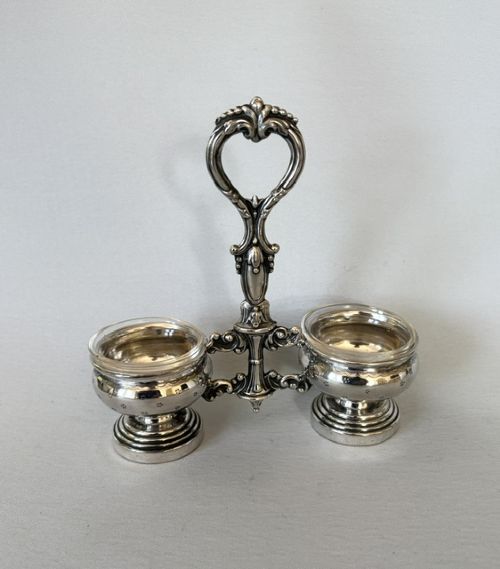
- A small tabletop frame designed to hold multiple cruets, bottles or salt cellars. These items were standard fixtures on formal nineteenth-century dining tables.
- Scent Bottle
- A small glass or crystal vessel with a secure silver cap used for holding perfume. Many examples feature detailed chased silver mounts or hinged lids.
Antique French Silver: Frequently Asked Questions
How do I clean antique french silver?
Use a soft cloth and a specialised silver polish designed to preserve delicate chasing and engravings. Avoid harsh chemical dips that strip away the original aged patina.
For items combining silver with glass or fabric lining, keep moisture away from vulnerable joints and applied elements during the cleaning process.
What periods do these pieces cover?
The selection spans from eighteenth-century pre-revolution items through nineteenth-century Rococo Revival works and into twentieth-century Art Deco designs. Mid-century modern pieces also appear among the later listings.
Stylistic shifts reflect changing tastes from ornate floral motifs toward streamlined geometric lines over the decades.
How were scent bottles used?
Victorian and Belle Epoque ladies carried small glass or crystal scent bottles in handbags or displayed them on vanity dressers. They held volatile perfumes used to refresh the wearer.
Fitted silver caps and inner stoppers prevented evaporation while decorative mounts allowed the vessels to double as vanity ornaments.
Are maker marks common?
Many items feature stamped maker marks, silversmith initials or standard assay hallmarks indicating origin and purity. Prominent Parisian firms and individual artisans stamped their work directly onto the metal surface or mount.
Locating these tiny stamps often requires a jeweler loupe due to the compact scale of pill boxes, clasps and small cutlery.