


Silver Novelty Salts
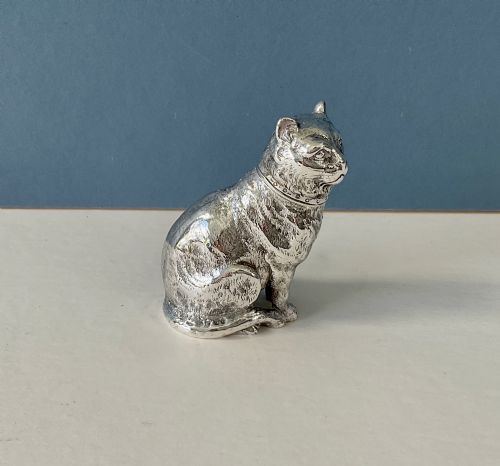
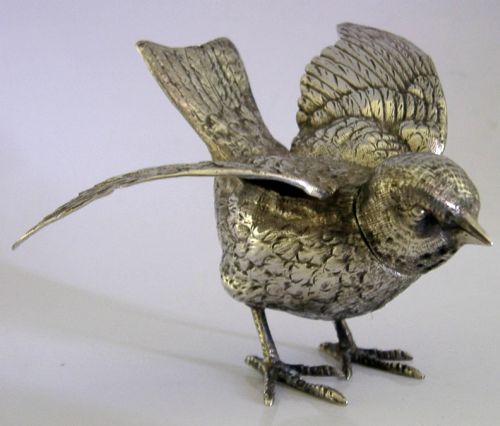
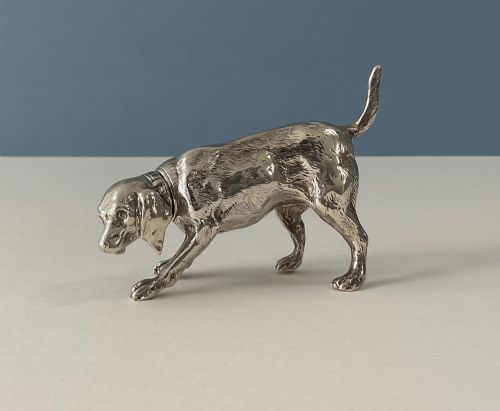
When you search for silver novelty salts, you are looking at small, characterful table containers shaped as animals, birds, birds' nests, vehicles, and household objects.

Silver Novelty Salts
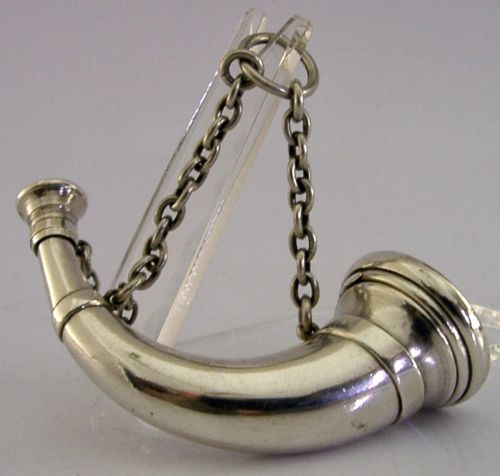
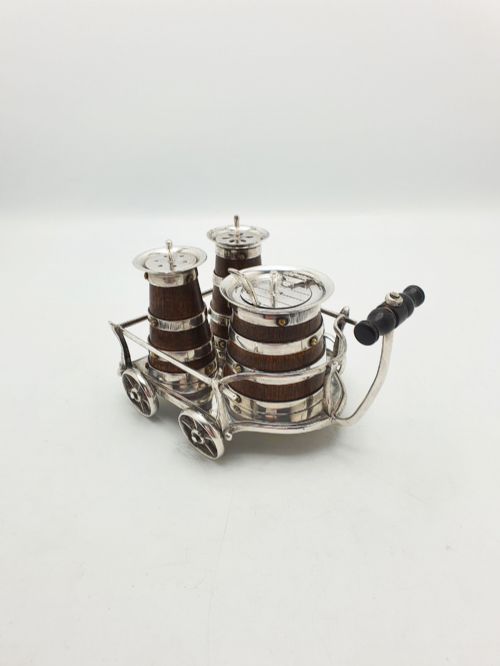
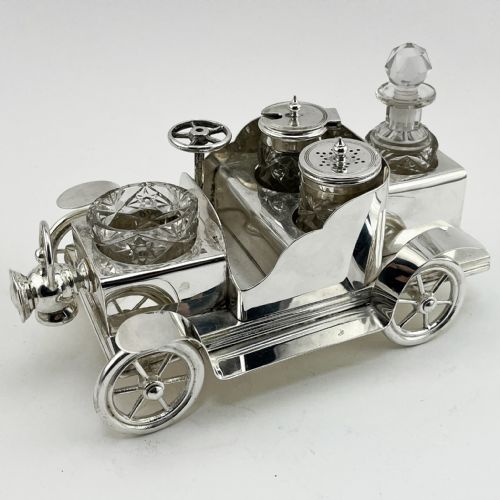
Silver novelty salts encompass small table wares designed in unexpected, playful shapes such as birds, owls, dogs, cats, swans, chicks, pheasants, and wheelbarrows, alongside practical items like oak barrels, top hats, cradles, and carriages. These pieces span the Victorian, Edwardian, and later twentieth-century periods, including George III, George V, and Art Deco styles.
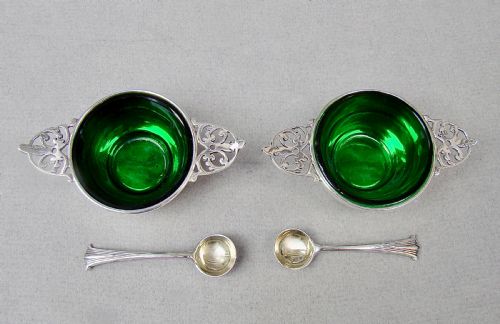
The form often takes the shape of salt cellars, condiment sets, pepper pots, vinaigrettes, and cruet sets, fashioned from sterling silver, solid silver, silver plate, and sometimes combined with cut glass, oak, and cowrie shells. You will encounter both single items and matched or boxed pairs, reflecting the dining customs of nineteenth and twentieth-century households.
How They Were Made
Silversmiths utilised casting, chasing, and repoussé techniques to shape sterling silver and silver plate into detailed figures of animals and objects, often adding gold gilt interiors to protect the metal from corrosive salt. Many pieces integrate natural materials such as oak wood for miniature barrels, trays, and pails, or cowrie shells for small hinged vinaigrettes.
Makers constructed hinged lids, articulated bodies, and screw-fittings with precision, ensuring that functional condiment pots and scent containers also functioned as miniature sculptures. Hallmarks stamped into the metal record the assay office, city, and year of production, anchoring these novelty items in specific British and continental workshops.
Dining tables of the past featured Mr Punch's dog Toby staring up from the napery as a functional salt cellar.
What Varies in Quality
Quality rests in the crispness of the casting and the naturalism of the modelling, particularly in how finely feather details, animal expressions, and miniature textures are rendered by the silversmith. Pieces produced by distinguished makers with clear, legible hallmarks and intact gold gilt interiors stand apart from plainer, unmarked examples.
The integrity of the construction - such as smoothly operating hinges on vinaigrettes, securely fitting shaker caps, and the tight joining of mixed materials like oak and silver plate - determines the standard of the piece. Better examples retain their original structural form without distortion, maintaining both their decorative charm and utility.
Sampson Mordan·Josiah Williams and Co·Thomas Johnson·Berthold Muller
The Silver Novelty Salts Glossary
- Vinaigrette
- A small, hinged metal box containing a pierced internal grille, originally used to hold a sponge soaked in aromatic vinegar. These are frequently fashioned in novelty shapes like fish, books, or walnuts.
- Cruet Set
- A matched assemblage of small condiment containers holding items such as salt, pepper, and mustard, often presented together on a specialised stand or tray. They appear in novelty forms ranging from farmyards to vintage cars.
- Silver Gilt
- Silver that has been coated with a thin layer of gold on its interior or exterior surfaces. This technique protected the silver from the corrosive effects of salt and added a warm interior glow to salt cellars.
- Repoussé
- A metalworking technique where the silversmith hammers the metal from the reverse side to form a raised design in relief. This method brought depth and texture to animal and figural novelties.
- Assay Office
- An official body that tested precious metals and stamped items with hallmarks to guarantee their standard of purity. Marks from London and other cities help identify the origin of these pieces.
Silver Novelty Salts: Frequently Asked Questions
What were novelty salts used for?
These pieces held table salt for individual diners before shaker culture became widespread, sitting beside small spoons on the dining table.
Wealthy households used them to display whimsical taste and entertain guests during formal courses.
How do I clean silver novelty salts?
Use a soft cloth and a gentle, non-abrasive silver cleaner designed for delicate or gilt surfaces.
Avoid submerging pieces that combine silver with organic materials like oak or shell to protect the joins.
Are these pieces safe for daily dining?
Most antique silver salts can still hold salt safely, provided the interior gold gilt remains intact to protect the metal.
Many collectors prefer to display them as decorative sculptures rather than using them for everyday meals.
How can I tell the age of a piece?
Check the metal for stamped hallmarks, which record the assay office and date letter corresponding to the year of manufacture.
Stylistic details, such as Victorian naturalism or Art Deco geometric forms, also indicate the era of production.