




Cobalt Blue Glass Liners
Cobalt blue glass liners are vibrant inserts that hold condiments inside open silver salt cellars, prized for their rich colour and practical function.

What cobalt blue glass liners are
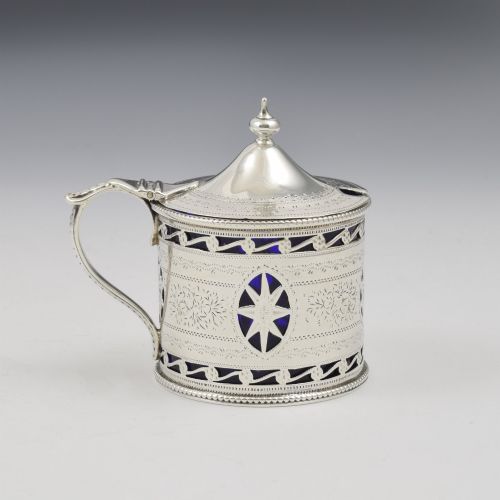
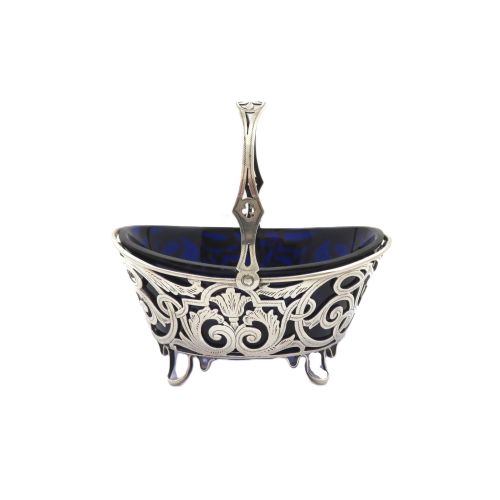
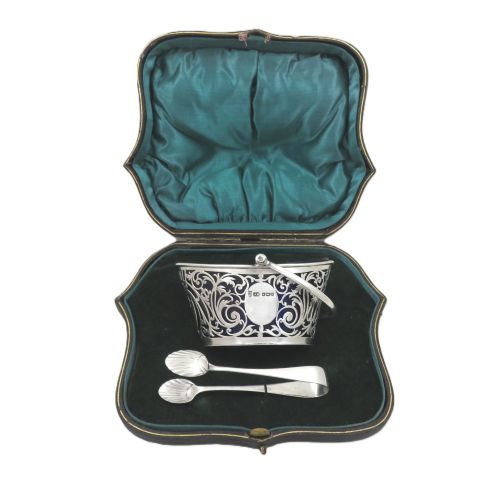
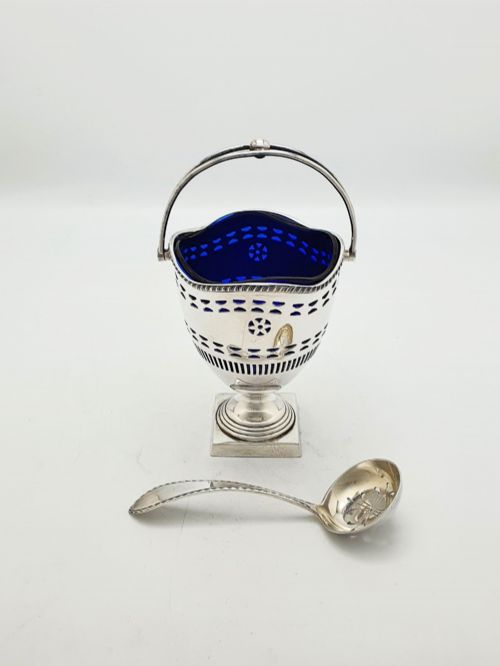
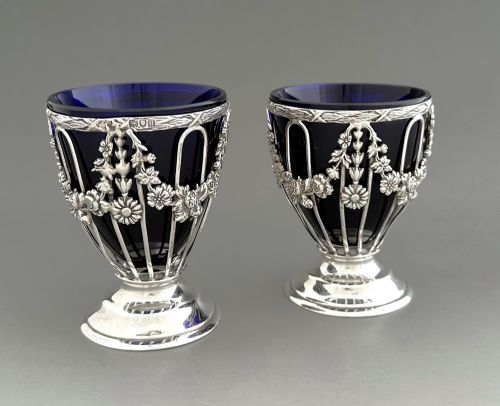
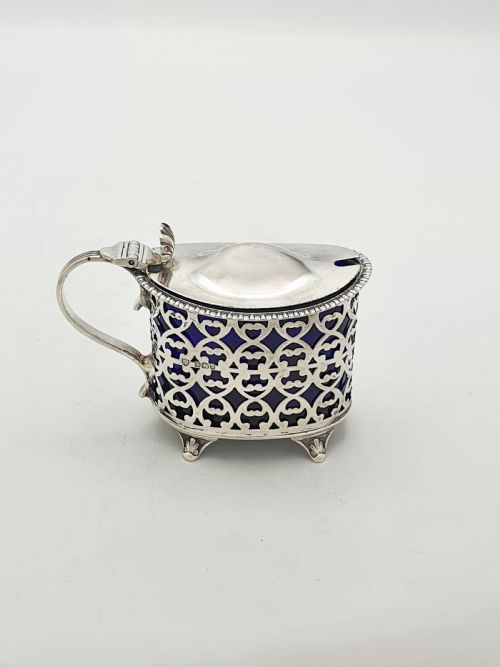
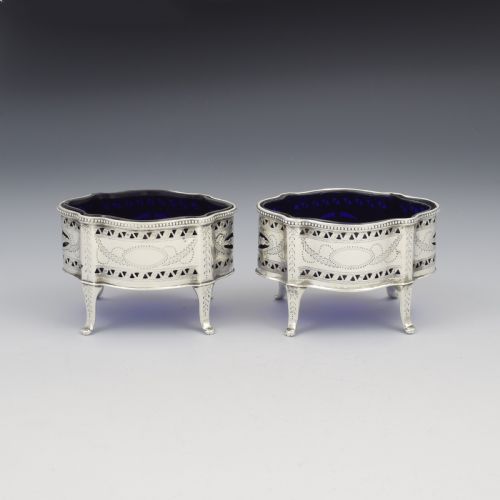
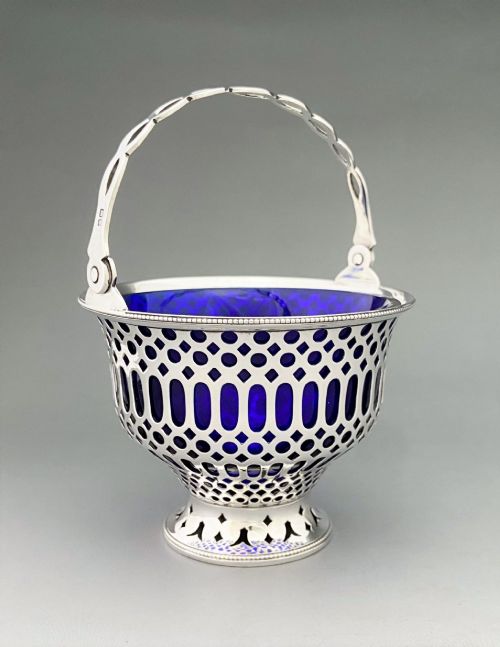
Cobalt blue glass liners appear alongside silver wirework condiment tubs and pierced serpentine table salts from the Victorian and Edwardian eras. These items serve as protective vessels within open salt cellars, preventing corrosive salt from damaging the surrounding silver frames.
The selections span mid-nineteenth century examples up to Edwardian pieces, often accompanying boat-shaped or Georgian style silver frames. Buyers typically encounter them paired with pierced or wirework table salts.
How they were made
The pieces combine blown glass with sterling silver or silver frames, uniting two distinct craft traditions. Artisans shaped the vibrant blue glass to fit precisely inside intricate metalwork such as wirework condiment tubs and pierced serpentine table salts.
Makers utilised rich cobalt oxides to achieve the deep blue coloration within the glass matrix. This technique ensured the inserts remained both decorative and resilient enough for daily dining use.
Retail Price Guide 2026
Typical UK retail prices for cobalt blue glass liners, calculated from the Sellingantiques database of over a million retail prices indexed since 2003. This retail price guide relies exclusively on Sellingantiques data; no external sources or auction records are used, so the figures do not describe the wider market.
These brilliant blue inserts were originally designed merely to prevent salt from eating holes through expensive family silver.
What varies in quality
Quality rests upon the harmony between the glass insert and the surrounding silver frame. Superior examples demonstrate a precise fit within pierced or wirework structures, reflecting the skill of the original pairing.
The depth of the cobalt hue and the crispness of the metalwork distinguish finer items. Pieces that retain their original components show a higher degree of preservation.
The Cobalt Blue Glass Liners Glossary
- Salt Cellar
- A small open vessel used to hold salt at the dining table before the invention of the spring-loaded shaker. They frequently require glass inserts to protect the metal from corrosion.
- Wirework
- An open lattice technique formed from fine strands of silver, often seen on condiment tubs of the Edwardian period. This method creates a light, skeletal frame that showcases the blue glass within.
- Serpentine
- A distinct undulating curved outline found on the edges of Victorian table salts. The shape requires careful glass shaping to match the flowing contours.
- Cobalt Glass
- Deep blue glass coloured using metallic cobalt, traditionally utilised for apothecary and tableware vessels. It provides a striking visual contrast against polished silver.
Frequently Asked Questions
What are cobalt blue glass liners used for?
These glass inserts sit inside open silver salt cellars to hold dry condiments at the dining table.
They protect the delicate sterling silver frames from the corrosive nature of salt during everyday use.
How do I date these glass liners?
Dating relies on the accompanying silver frames, which span the Victorian and Edwardian periods as well as mid-nineteenth century designs.
Stylistic cues in the silver work, such as pierced serpentine edges or wirework, point to specific decades.
Are original liners important?
Original inserts complete the ensemble of antique salt cellars and preserve the historical integrity of the piece.
Finding a set that retains its matching components is a key consideration for collectors.
How do I care for silver and glass?
Gentle washing in warm soapy water keeps the glass clean without risking thermal shock or scratching.
Silver frames require appropriate polishing pastes applied separately from the glass to maintain the metal finish.