
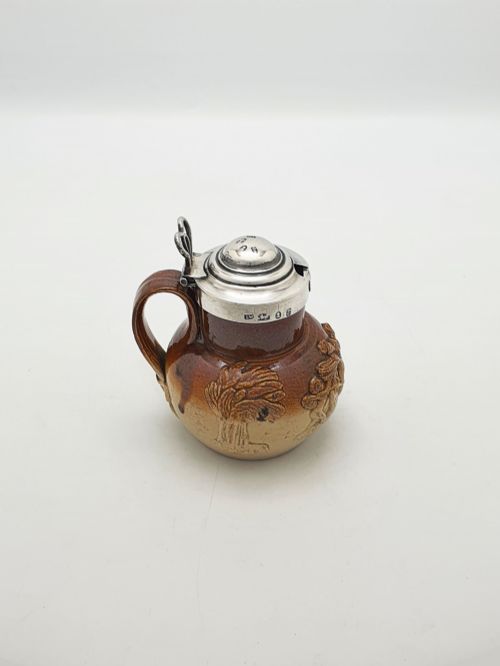
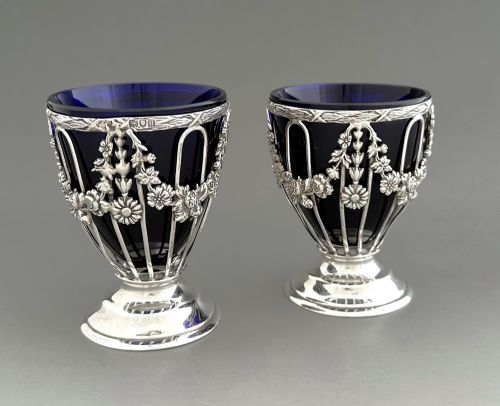
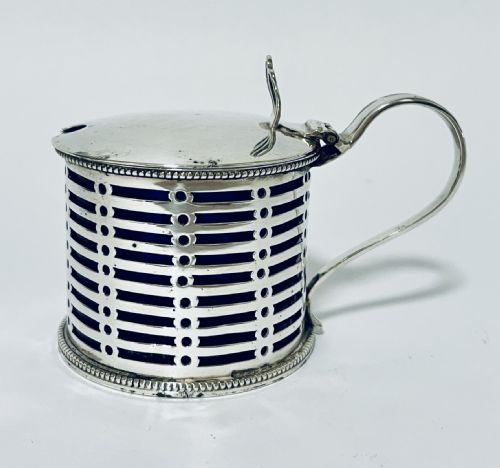
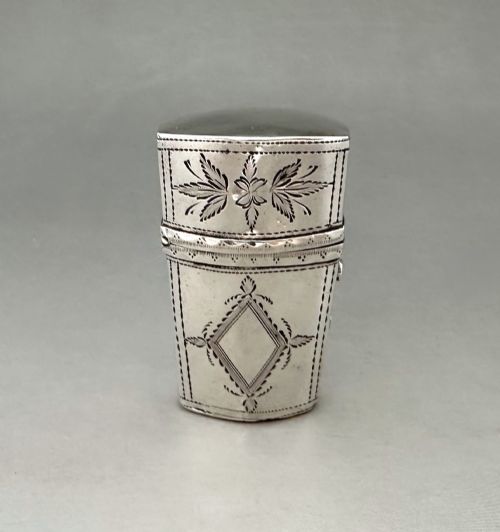
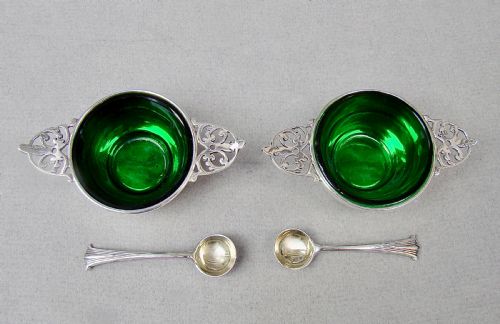


Georgian Silver Salts
Georgian silver salts are domestic table vessels for salt, offering tactile historical weight and exceptional craftsmanship for the dining table.
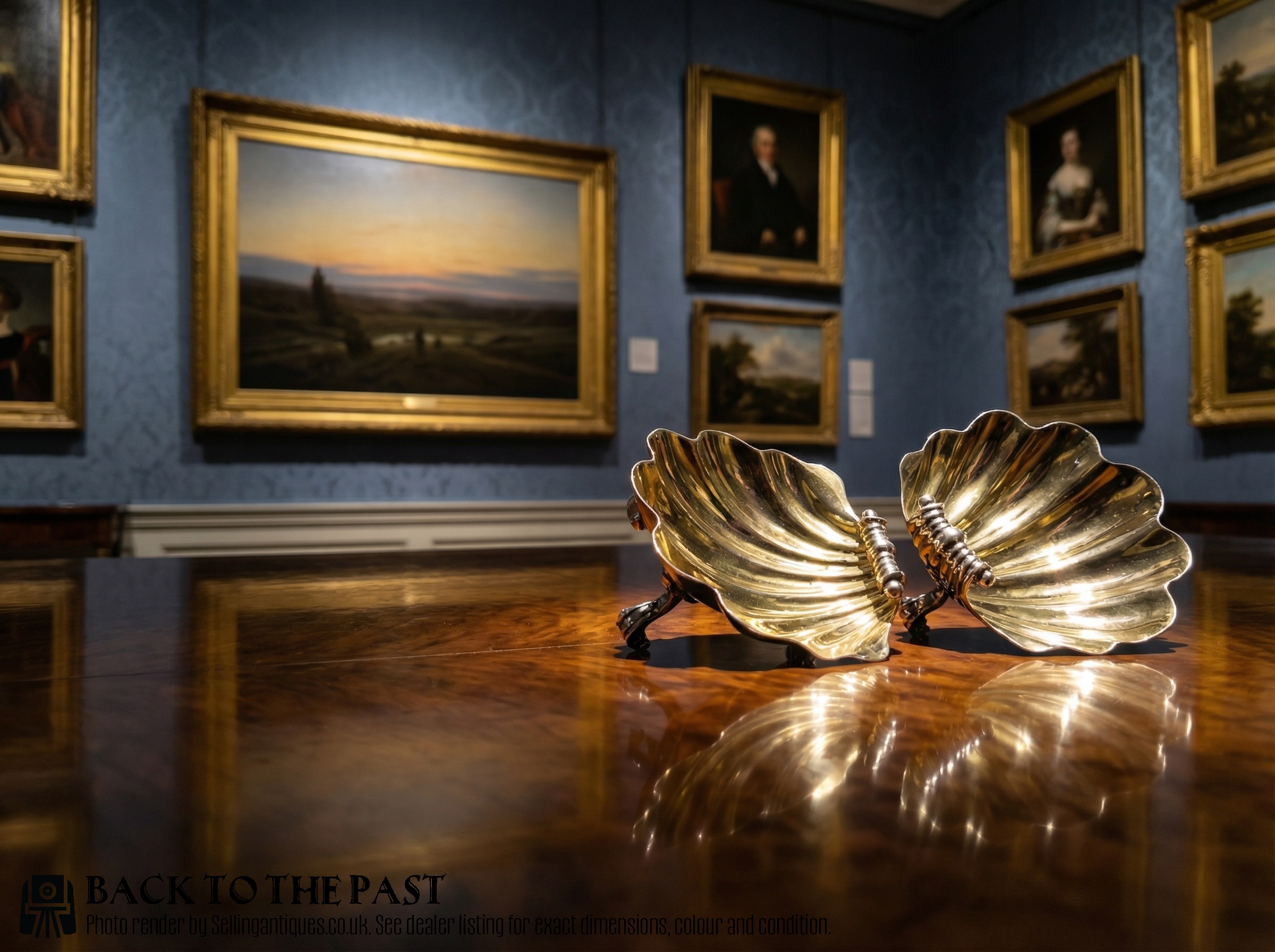
What georgian silver salts are
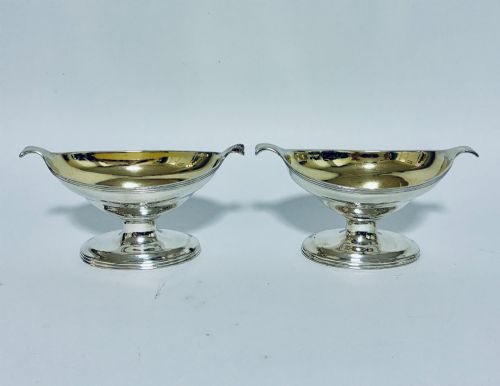
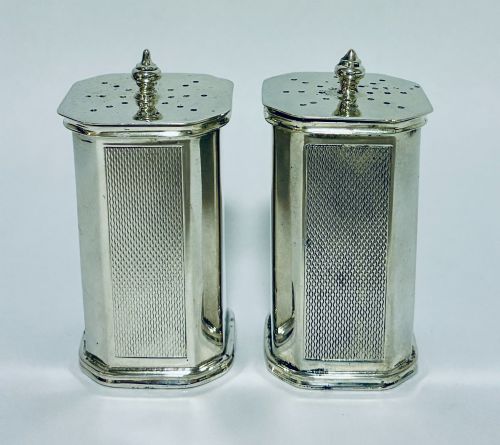
Georgian silver salts encompass a range of open cellars and trencher salts designed to hold salt at the dining table during the eighteenth and early nineteenth centuries. These pieces appear in forms such as circular bodies, octagonal shapes, pedestal salts, and scallop shell dishes.
The inventory includes Scottish, Irish, and English origins, with pieces bearing hallmarks from regional assay offices such as Edinburgh, Dublin, and London. Buyers frequently encounter pairs and matched pairs, alongside occasional individual cellars and trio sets.
Makers span the period from the early eighteenth century through the reign of George IV, utilising sterling silver and silver gilt interiors. Many open salts incorporate fitted glass liners to protect the metal from the corrosive nature of salt.
How they were made
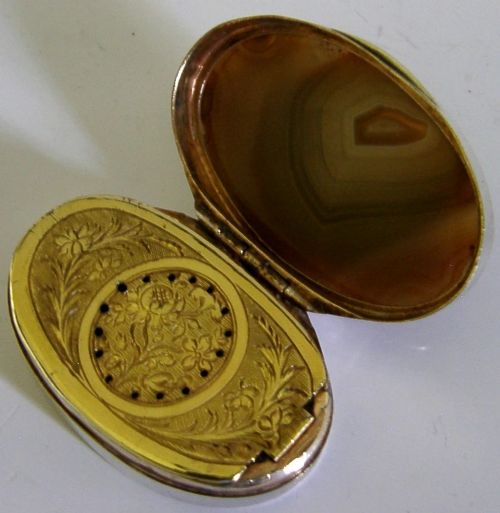
Silversmiths constructed these table salts from sterling silver, occasionally employing gilding to create a silver gilt interior that resisted corrosion. Heavy casting techniques formed structural elements such as lion paw feet and robust pedestals.
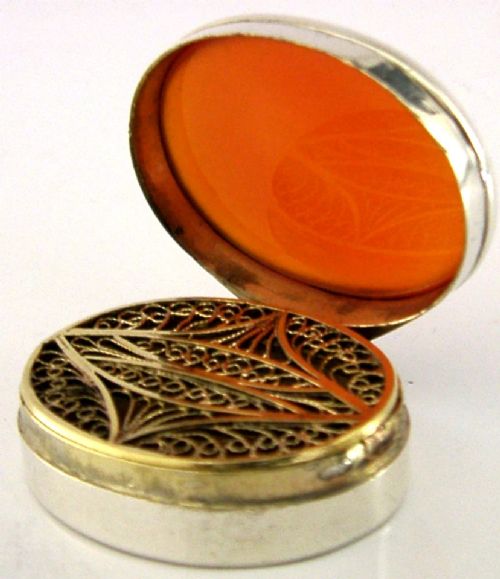
Decorative work on these pieces included chased Rococo designs, scallop shell motifs, and crisp hallmarks struck directly into the metal. Early trencher salts featured heavy-gauge sheet silver shaped into octagonal or heavy circular forms without feet.
Retail Price Guide 2026
Typical UK retail prices for georgian silver salts, calculated from the Sellingantiques database of over a million retail prices indexed since 2003. This retail price guide relies exclusively on Sellingantiques data; no external sources or auction records are used, so the figures do not describe the wider market.
Early diners trusted fierce cast lion paws to steady their salt on wobbling wooden tables.
What varies in quality
Distinction across the range rests upon the crispness of the chasing, the weight of the silver used in construction, and the presence of documented makers. Pieces featuring cast elements like lion paw feet or complex Rococo shell designs demonstrate higher ambition from the workshop.
Completeness alters the character of a piece, particularly the survival of matching glass liners or associated spoons. Regional assay marks and distinct maker stamps provide historical clarity that separates standard production from notable silversmith output.
David Hennell·John Edmonstone·Edward Farrell·Hampston Prince and Cattles·Robert Hennell·Hester Bateman·J T Younge Walker and Crowder·William Bond·Rebecca Emes and Edward Barnard·Alice and George Burrows·Joseph Angell I·James Rood
The Georgian Silver Salts Glossary
- Trencher salt
- A heavy, often octagonal or circular salt cellar placed directly on the dining table without feet, originating in the early eighteenth century.
- Silver gilt
- Sterling silver that has been coated with a thin layer of gold on the interior to prevent the salt from tarnishing the silver.
- Assay office
- An official body that tested the purity of precious metals and stamped items with town marks and date letters.
- Scallop shell
- A naturalistic decorative motif shaped like a marine shell, frequently utilised for the bowl of Georgian open salts and butter dishes.
- Lion paw feet
- Cast support feet shaped like the paws of a lion, commonly found on pedestal salts and open table salts from the later Georgian period.
Frequently Asked Questions
What are georgian silver salts?
Georgian silver salts are small open vessels used to hold loose salt on the dining table during the eighteenth and early nineteenth centuries. They were manufactured in sterling silver, often featuring gilt interiors and glass liners.
These pieces reflect the shifting domestic habits and dining customs of the Georgian period, moving from heavy trencher forms to decorative pedestal and shell designs.
How were salt cellars used?
Dinners utilised these open cellars to serve salt individually or shared among guests before the invention of the spring-loaded salt shaker. Dinners would pinch salt from the cellar using small salt spoons.
The inclusion of glass liners protected the sterling silver from the corrosive chemical action of wet or coarse table salt during meals.
How do I identify a georgian period salt?
Identification relies on examining the hallmarks struck into the silver, which reveal the assay office, date letter, and maker's mark. Stylistic indicators such as heavy octagonal trencher forms or cast Rococo shell motifs also point to the era.
Matching the stylistic markers and regional assay stamps helps distinguish eighteenth-century production from later Victorian revivals.
Did all salts include glass liners?
Not all Georgian salts incorporated glass liners, as many early trencher salts and solid cast pieces relied entirely on thick silver walls. Gilding the interior was an alternative method used to protect the silver from corrosion.
Open salts with cast shell designs or pierced bodies more commonly required removable blue or clear glass inserts.
How do I care for silver salt cellars?
Care involves gentle cleaning to preserve the historical patina and avoid damaging crisp hallmark stamps or chased decoration. Silver gilt interiors require particular caution to prevent the gold wash from wearing away.
Ensuring that salt is not left inside the vessel for extended periods prevents chemical pitting on the surface of the silver.