
Antique Silver Cellars
These antique silver cellars bring functional dining history to the table, offering craftsmanship from the Georgian period through the Art Deco era.
Antique Silver Cellars
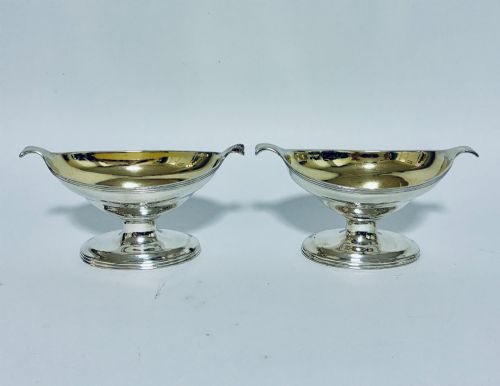
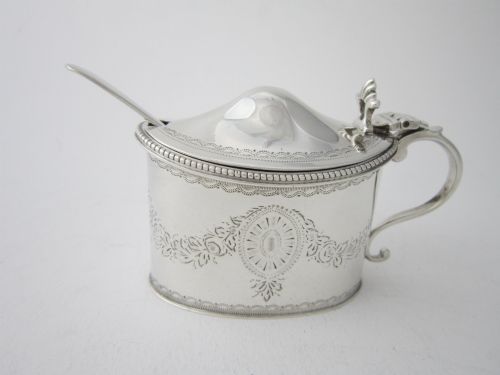
When searching for antique silver cellars, you encounter open vessels, cruet sets and boat-shaped forms designed to hold salt and other condiments at the dining table. The pieces on this page span the Georgian, Victorian, Edwardian and Art Deco periods, encompassing both sterling silver and silver-plated examples.
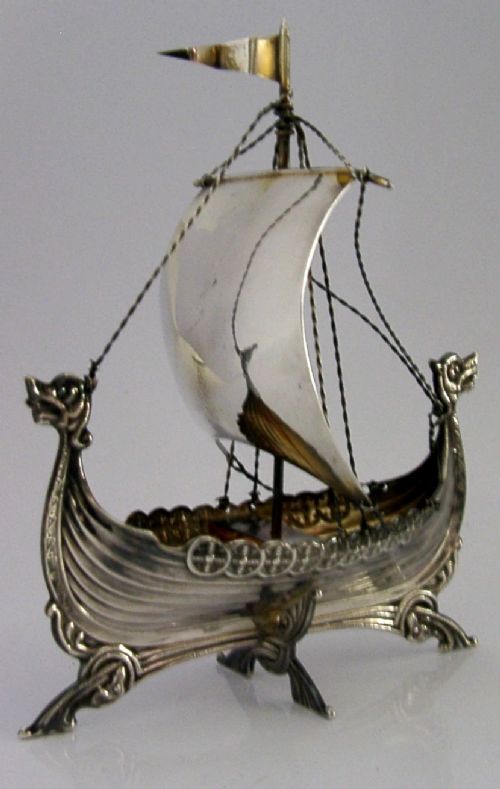
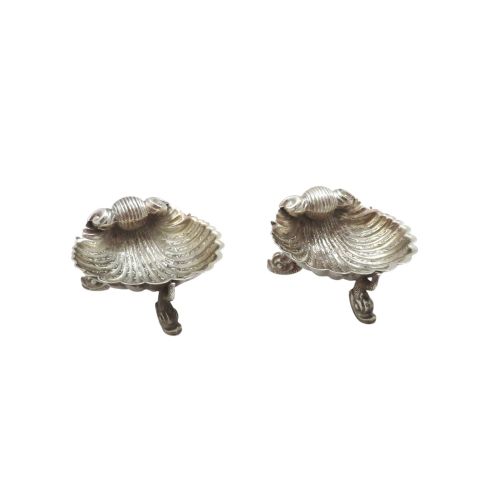
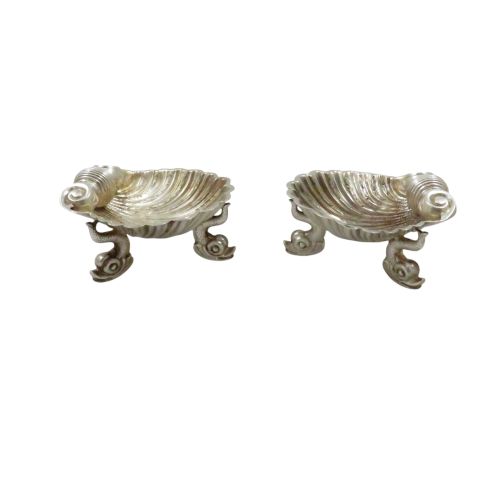
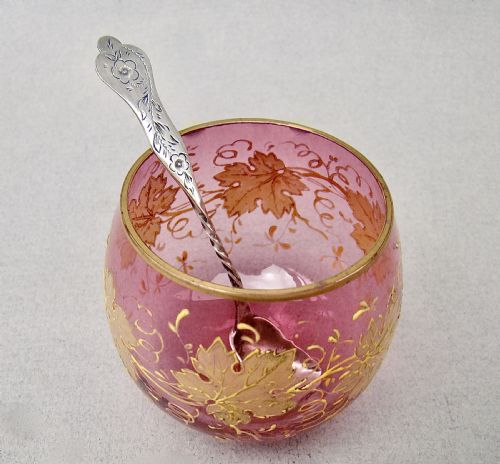
Pairs and matched sets predominate, frequently accompanied by contrasting glass liners in cobalt blue or cranberry hues. Formats range from simple trencher salts to elaborate novelty designs shaped as shells with dolphin feet or Viking boats.
Materials and methods of construction
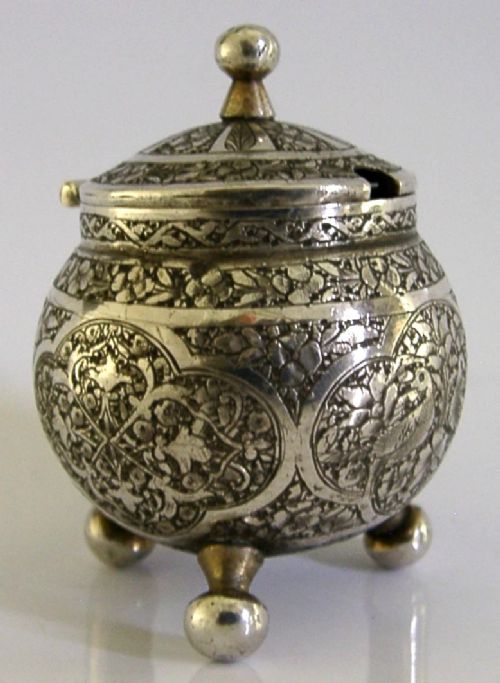
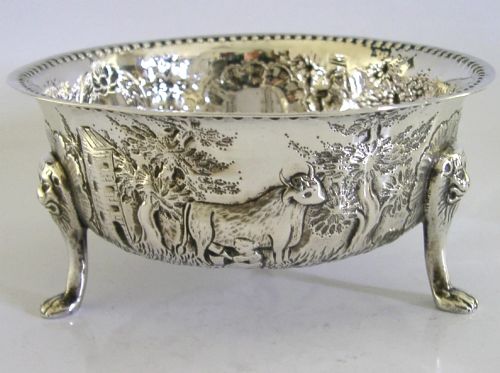
Makers utilised sterling silver and silver plate for the structural bodies, shaping them through casting, piercing and chasing techniques. Pierced silver serpentine salts and foliate chased dishes demonstrate the heavy reliance on hand-working methods during the Victorian decades.
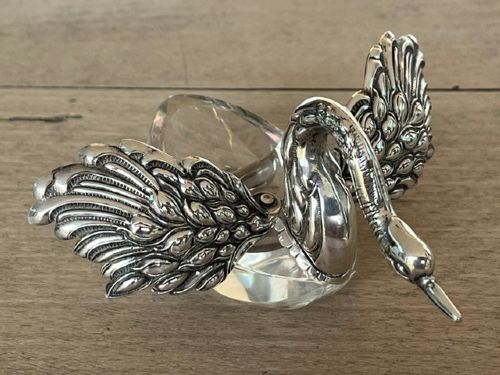
Coloured glass liners made from cobalt or cranberry glass were blown and fitted inside open wirework or solid metal frames. Enamel work and crystal components also appear in later Edwardian and Art Deco pieces.
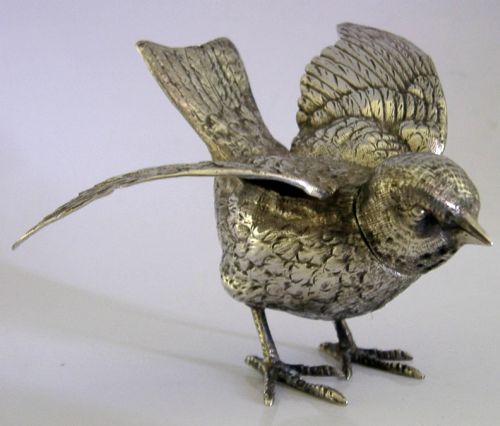
Salt cellars shaped like miniature Viking ships and life-size bird chicks prove that historical dining tables had a playful side.
Measures of distinction
Quality rests on the crispness of the chasing, the weight of the metal and the integrity of any accompanying glass inserts. Heavy gauge sterling silver items with well-defined cast details command greater regard than lighter plated alternatives.
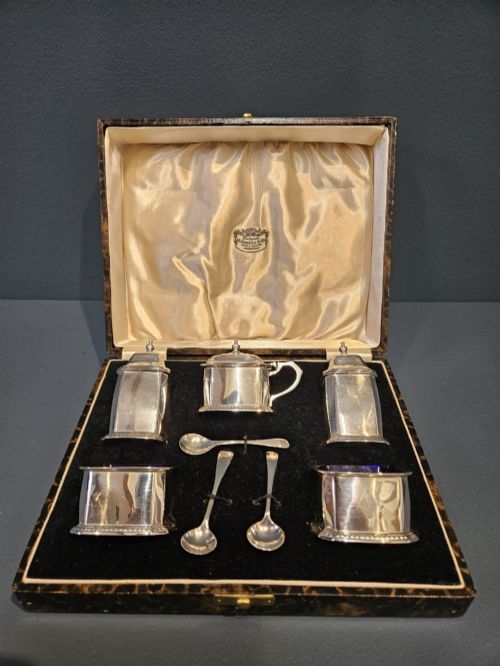
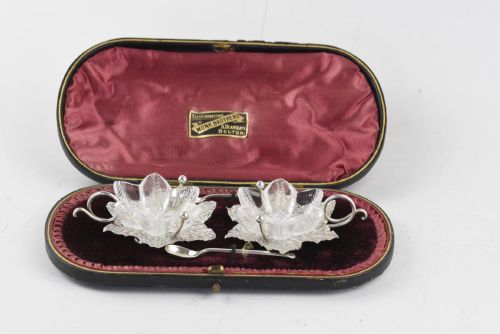
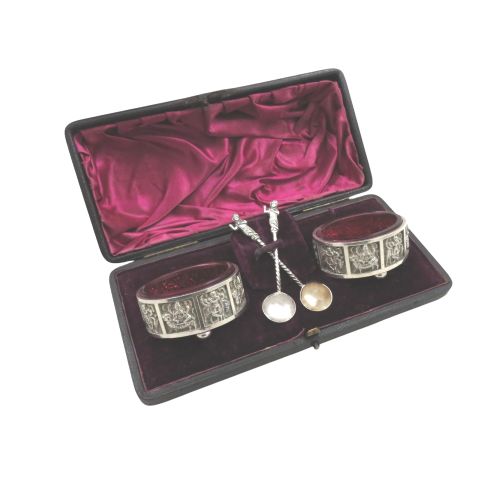
The survival of matching spoons, original fitted presentation cases and undamaged coloured glass liners elevates the standing of a set significantly.
Georg Jensen·William Neale·David Hennell·John Edmonstone·Josiah Williams & Co
The Antique Silver Cellars Glossary
- Trencher salt
- A low, typically square or round salt cellar originating in the domestic spaces of earlier centuries before standing salts became popular. These sit directly on the dining surface.
- Cruet set
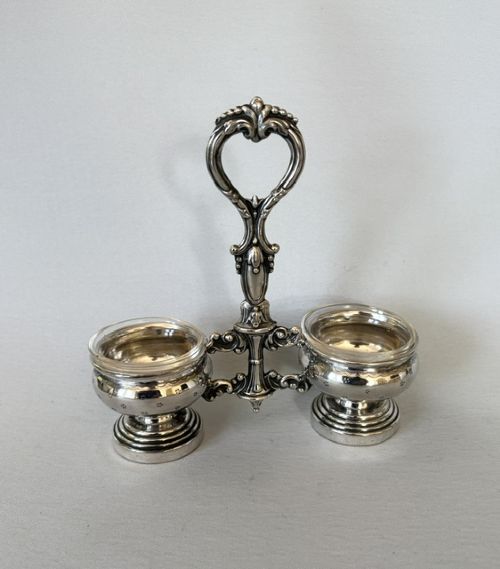
- A collection of small bottles or open cellars held together in a frame or stand for condiments such as oil, vinegar, mustard and salt.
- Chasing
- A metalsmithing technique where designs are hammered into the front surface of the silver from the exterior to create low-relief ornamentation.
- Salt liner
- A removable glass insert placed inside open silver cellars to protect the metal from the corrosive nature of salt. These are frequently coloured in cobalt or cranberry glass.
Antique Silver Cellars: Frequently Asked Questions
What were antique silver cellars used for?
These vessels held salt and other condiments before the invention of modern free-flowing salt shakers. Diners used small spoons or pinches from the open dishes to season their food at the table.
They formed part of larger table settings, often grouped alongside mustard pots and cruet stands during formal meals.
How do I care for antique silver cellars?
Regular, gentle cleaning with a specialised silver cloth prevents tarnish build-up without removing the underlying metal. Avoid harsh abrasive dips, particularly on pieces with fitted glass liners or delicate enamel.
Glass liners should be washed separately in warm soapy water and dried thoroughly before being placed back into the silver frames.
Are glass liners original to the salts?
Replacement liners are common due to accidental breakage over centuries of domestic use. Examining the fit inside the silver frame helps determine whether a liner is period-correct.
Matched colours like cobalt blue or cranberry glass typically align with Victorian and Edwardian manufacturing standards.
How do I identify Victorian silver cellars?
Victorian examples frequently display hallmarks indicating the assay office and date letter alongside heavy chased foliate motifs or marine themes. Popular nineteenth-century designs include scallop shells supported by dolphin feet.
Many of these Victorian pieces survive in fitted presentation cases containing their original matching spoons.