




Scottish Georgian Silver
Discover scottish georgian silver, where functional tableware, snuff mulls and provincial ladles meet enduring craftsmanship from northern workshops.
Scottish Georgian Silver
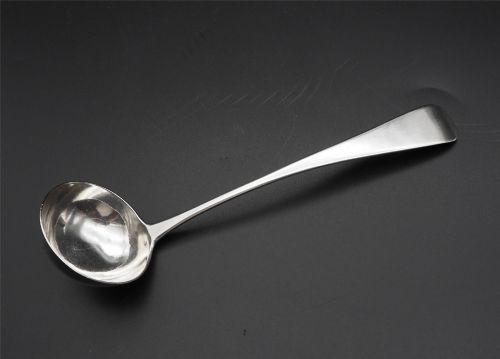
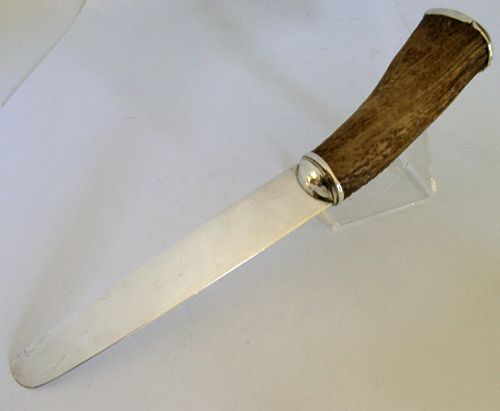
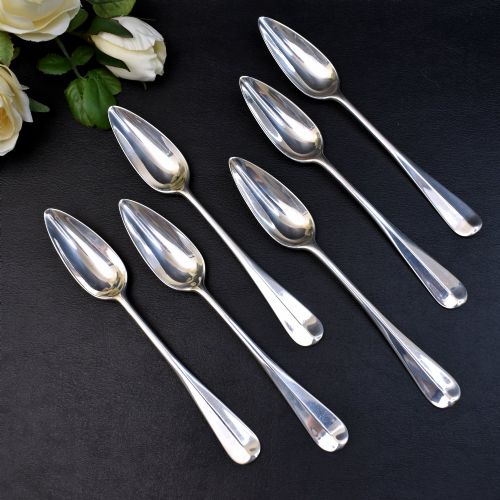
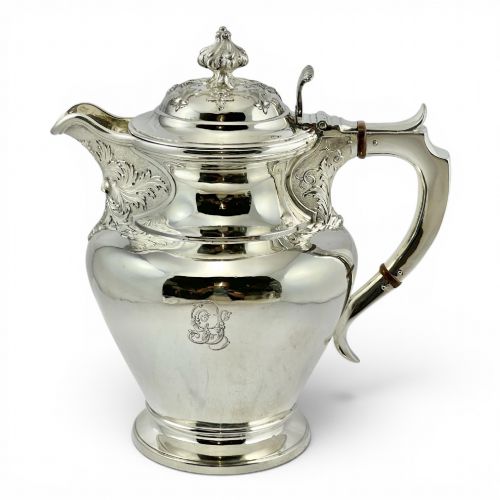
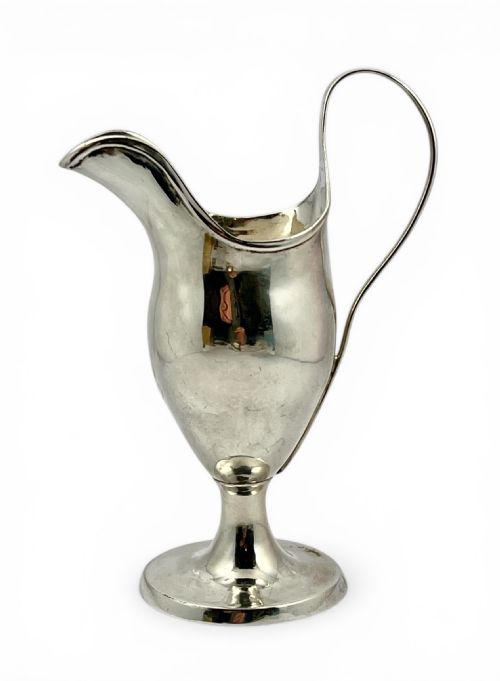
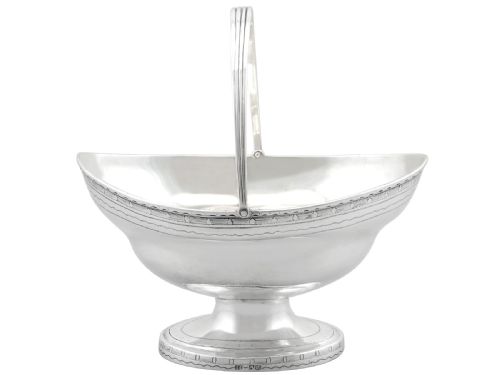
When exploring scottish georgian silver, collectors encounter a diverse range of domestic tableware, cutlery and personal accessories spanning the eighteenth and early nineteenth centuries. The selections typically feature flatware such as tablespoons, basting spoons and caddy spoons, alongside hollowware including teapots, sauce boats and sugar baskets.
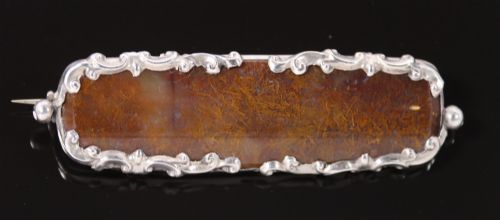
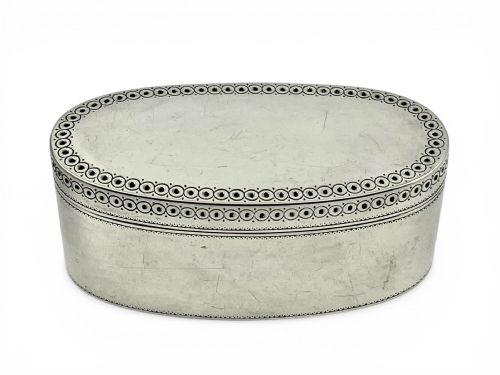
Provincial pieces from towns like Inverness, Aberdeen, Elgin and Banff appear frequently alongside Edinburgh and Glasgow items, demonstrating distinct regional assay practices and maker marks. Personal items such as horn snuff mulls mounted in silver and agate-set vinaigrettes also form a significant part of the available range.
What Varies in Quality
Quality rests upon the clarity of regional maker marks and assay office punches, which confirm origin and period authenticity without ambiguity.
The crispness of hand-engraved crests, the structural integrity of horn mountings, and the proportional balance of spoons and hollowware distinguish finer examples from standard production.
Several snuff mulls incorporate miniature hidden compartments originally designed to store tiny personal keepsakes.
Hamilton and Inches·Josiah Williams and Company·John Campbell of Doune·Meyer and Mortimer·William and Patrick Cunningham
The Scottish Georgian Silver Glossary
- Provincial silver
- Silver manufactured and marked outside the main official assay offices of Edinburgh and Glasgow, typically bearing unique maker initials and town marks. These regional pieces hold particular interest for specialists due to their relative scarcity.
- Snuff mull
- A personal container used for holding powdered tobacco, traditionally fashioned from ram's horn and mounted with silver hinges, shields, and lids. Scottish examples often incorporate Cairngorms or agate stones.
- Caddy spoon
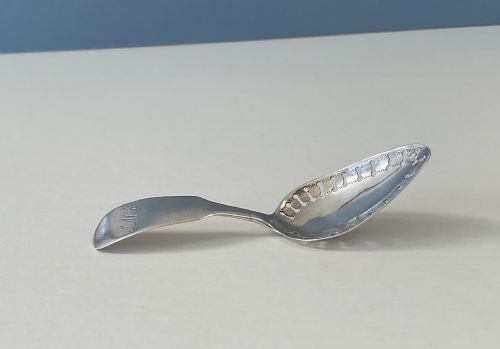
- A short-handled spoon specifically designed for measuring loose tea leaves from a storage caddy into a teapot. They frequently exhibit shovel-shaped bowls and intricate hand-engraved decoration.
- Rat tail
- A strengthening tongue of metal running down the reverse of a spoon bowl from the handle junction. This structural feature is commonly found on early eighteenth-century flatware.
- Quaich
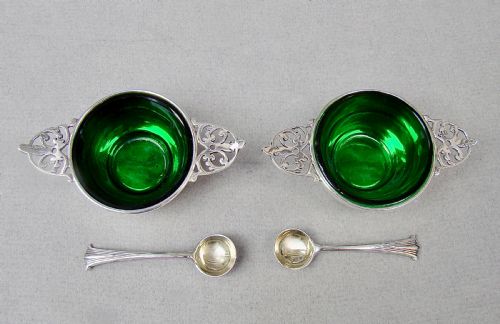
- A traditional Scottish two-handled drinking vessel used for communal toasts, interpreted in miniature or novelty salt cellars within later silver production.
Scottish Georgian Silver: Frequently Asked Questions
What is provincial scottish silver?
Provincial silver refers to pieces made and marked in Scottish towns outside Edinburgh and Glasgow, such as Aberdeen, Inverness or Elgin. These items use local maker marks and town punches.
Such pieces reflect the work of independent regional silversmiths operating away from the major urban assay offices during the eighteenth and nineteenth centuries.
How were horn snuff mulls used?
Horn snuff mulls served as portable containers for carrying dry snuff, which owners consumed by pinching small amounts into the nose. The natural horn kept the tobacco dry whilst silver mounts provided reinforcement.
Many examples feature hinged lids, personal crests, and occasionally an integrated spoon or brush suspended by small silver chains.
How do I identify a provincial maker mark?
Provincial maker marks usually consist of a craftsman's initials combined with a distinct town name or abbreviation stamped into the silver. These marks differ from standard leopard head or lion passant symbols.
Reference guides to Scottish provincial silver help match these unique punches to specific recorded silversmiths.
What distinguishes a toddy ladle from a soup ladle?
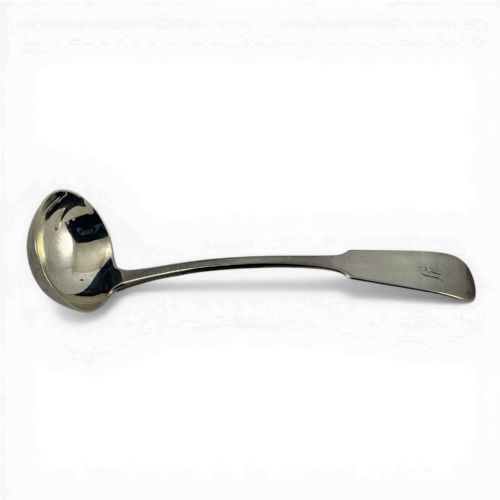
Toddy ladles feature smaller bowls designed specifically for transferring hot whisky punch from a bowl into individual glasses. They often incorporate twisted whalebone handles or silver stems.
Soup or basting spoons possess significantly larger bowls and longer, sturdier handles intended for serving portions from large tureens or platters.