


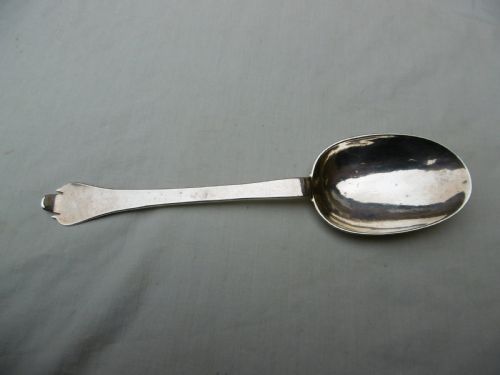


Sterling Silver Tablespoon
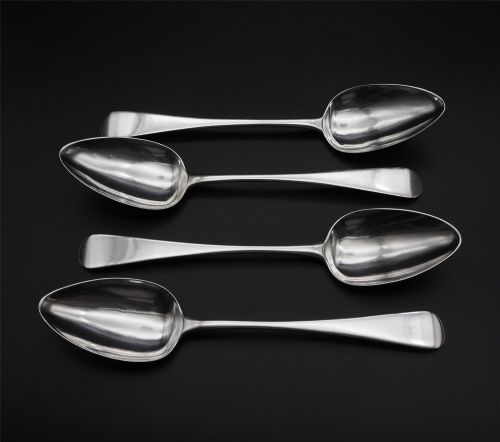
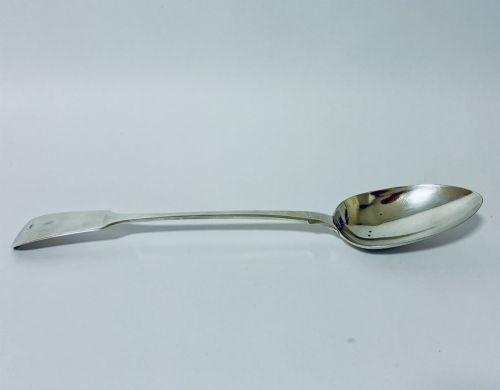
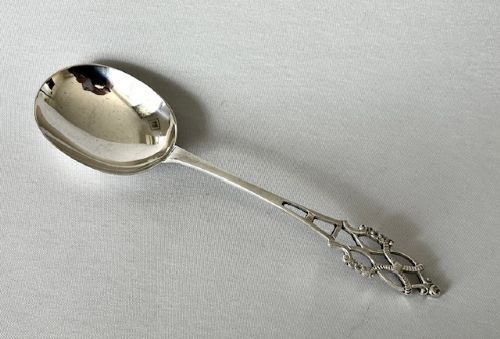
These sterling silver tablespoon pieces are functional flatware of substantial weight, offering period British craftsmanship for the formal dining table.
Identifying sterling silver tablespoon examples
The sterling silver tablespoon category encompasses large serving and dining spoons originating from the eighteenth and nineteenth centuries. Buyers searching this phrase encounter heavy flatware produced in London, Exeter, and provincial workshops across Britain.
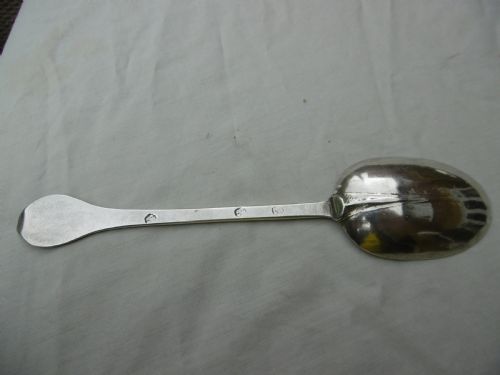
Most items on this page belong to the Georgian era, spanning regional provincial centres as well as the capital. Forms include early dognose profiles alongside standard dining spoons and larger serving variants from the mid-eighteenth century onward.
Materials and construction
These items are fashioned from solid silver, possessing substantial gram weights that distinguish them from modern tableware. Metal smiths shaped the hot silver ingots into bowls and handles by hand before applying decorative hallmarks.
Makers utilised traditional hammering and casting techniques to achieve the balanced weight distribution characteristic of eighteenth-century flatware. Individual workshops stamped their own punches alongside city assay marks to certify the silver standard.
Retail Price Guide 2026
Typical UK retail prices for sterling silver tablespoon, calculated from the Sellingantiques database of over a million retail prices indexed since 2003. This retail price guide relies exclusively on Sellingantiques data; no external sources or auction records are used, so the figures do not describe the wider market.
Listings span the eighteenth and nineteenth centuries, featuring items from London, Exeter, Inverness, and East Anglia in solid silver.
Distinguishing quality across the range
Quality in these pieces rests upon the clarity of the maker stamps and town marks, alongside the preservation of the original bowl shape through centuries of use. Provincial pieces and private die commissions often demonstrate distinct local characteristics that elevate their standing.
The thickness of the stem and the crispness of the terminal engraving differentiate standard production from exceptional provincial work. Substantial weight and untouched hallmarks indicate superior survival.
James Tookey·R Grey·Jabez Daniell
The Sterling Silver Tablespoon Glossary
- Hallmark
- Official stamps struck into precious metal to guarantee the purity standard and origin. These marks identify the assay office, the maker, and the year of production.
- Provincial
- Items manufactured outside London, typically in regional centres like Exeter, Inverness, or East Anglia. These regional pieces often display unique local variations.
- Dognose
- An early eighteenth-century spoon style featuring a widened, notched terminal resembling a dog's nose. This form preceded the standard Hanoverian pattern.
- Flatware
- Functional utensils used for eating and serving, including spoons and forks. Georgian flatware is prized for its tactile weight and hand-wrought construction.
Frequently Asked Questions
What is a sterling silver tablespoon used for?
These large spoons served primarily for dishing food at the table during the eighteenth and nineteenth centuries, long before modern place settings evolved.
Collectors today frequently repurpose them as serving implements or display them alongside other Georgian silverware.
How do I identify provincial spoons?
Regional pieces display maker marks and town punches that differ from the standard London leopard head and lion passant.
Scottish and English provincial workshops often applied unique regional symbols instead of standard assay office marks.
What is a dognose spoon?
The dognose form is an early eighteenth-century spoon style characterised by a broad, flat terminal with a central notch.
This specific shape represents a transitional design phase between the Puritan spoon and the Hanoverian pattern.
How do I date these silver items?
Dating relies upon the date letter stamped within the hallmarking sequence, which corresponds to specific assay office cycles.
Style, bowl shape, and maker punch records provide secondary verification for pieces lacking complete date letters.