


Provincial Silver Flatware
Provincial silver flatware brings regional British craft straight to the table, offering solid utility shaped by local silversmiths outside London.
What these pieces are
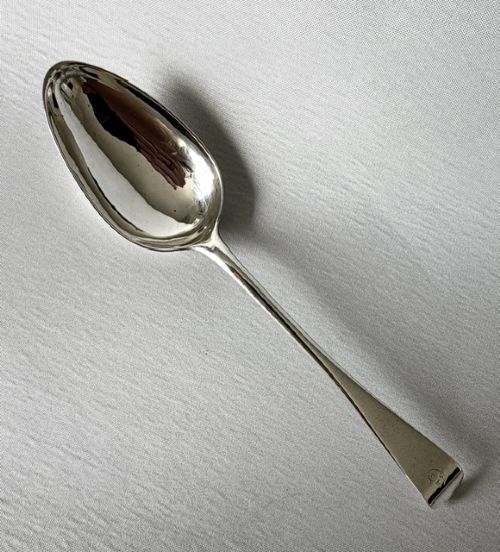
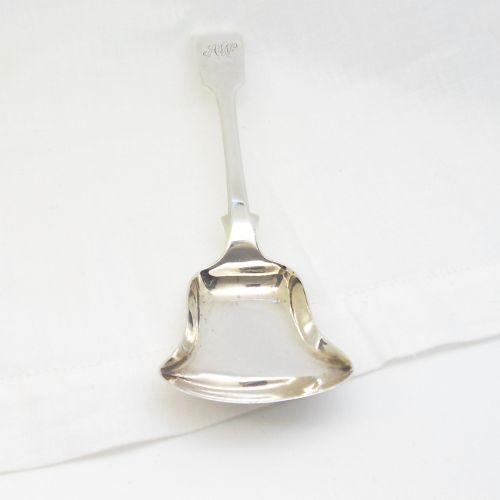
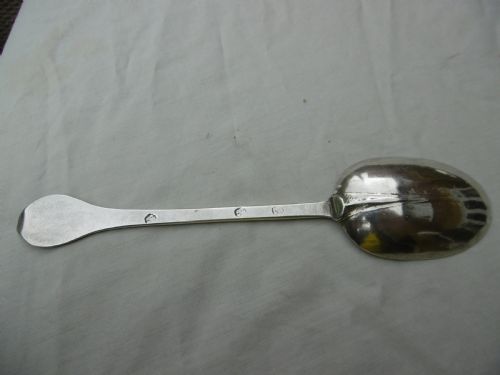
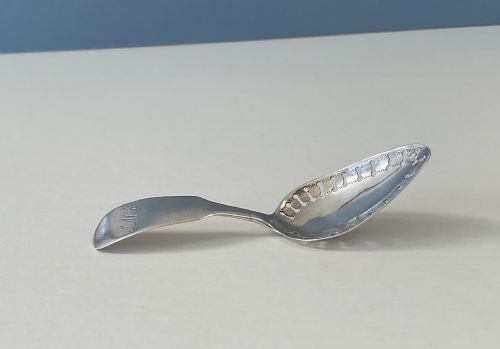
Provincial silver flatware encompasses spoons, forks, and serving cutlery produced by makers working far from the capital in regional centres across Britain. When exploring provincial silver flatware, buyers encounter items ranging from early seventeenth-century trefid spoons to nineteenth-century fiddle pattern dessert forks.
How they were made
These items are fashioned from solid sterling silver, worked by hand into durable cutlery for daily dining and serving. Makers shaped the metal using traditional techniques, hammering and cutting silver ingots into functional forms like teaspoons, table spoons, and serving spoons.
Makers stamped their pieces with regional town marks alongside personal maker initials, recording the origin of the silver before it reached the table.
Current listings feature items from the seventeenth, eighteenth, and nineteenth centuries, utilising solid sterling silver across Scottish and English provincial origins.
What varies in quality
Quality in regional silver rests on the clarity of the maker and town marks stamped into the metal, alongside the crispness of the original form. Pieces retaining strong bowl shapes, unthinned shafts, and legible provincial hallmarks command greater interest from collectors.
Age and survival shape the standard, with seventeenth- and eighteenth-century examples carrying more historical weight than later nineteenth-century sets, provided the handling wear remains honest and minimal.
Peter Webb·George Ferris
The Provincial Silver Flatware Glossary
- Provincial
- Silverware produced outside London, usually bearing distinct regional town marks rather than standard capital hallmarks. These pieces reflect local tastes and smaller-scale workshops.
- Trefid spoon
- An early form of flatware featuring a flattened, three-lobed terminal at the end of the handle. This style dominated late seventeenth-century dining.
- Fiddle pattern
- A nineteenth-century handle design featuring a distinctive shoulder shape resembling a fiddle. It became a standard style for dessert forks and table spoons.
- Assay office
- An official body responsible for testing the purity of precious metals and stamping them with marks. Regional offices added unique town symbols to local silver.
Frequently Asked Questions
What is provincial silver flatware?
Provincial silver flatware refers to spoons, forks, and cutlery manufactured by silversmiths working outside London in various British towns and regional centres.
These items carry local town marks and maker stamps rather than standard metropolitan hallmarks, reflecting distinct regional styles from the seventeenth century onwards.
How do I identify regional marks?
Regional marks usually consist of a maker's initials combined with a specific town symbol or unique stamp used by a local guild or assay office.
Checking these punches against historical records helps confirm where and approximately when the piece was hammered into shape.
Are these pieces safe for dining?
Many solid silver spoons and forks from earlier centuries remain sturdy enough for careful modern use at the table.
Gentle hand washing without harsh abrasives keeps the silver intact while preserving the historic surface and original hallmarks.
Why collect provincial flatware?
Collecting regional flatware connects owners to specific British towns and historical smiths whose output differed from mainstream London production.
Each spoon or fork records local trade practices and offers a tangible link to domestic life across different centuries.