


Scottish Silver Cutlery
Scottish silver cutlery brings together centuries of provincial silversmithing, heavy sterling pieces and distinct regional marks that serious silver collectors prize.
Scottish Silver Cutlery
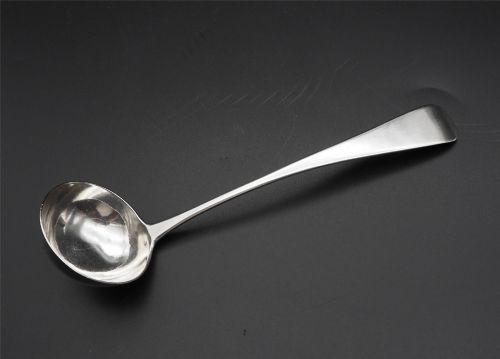
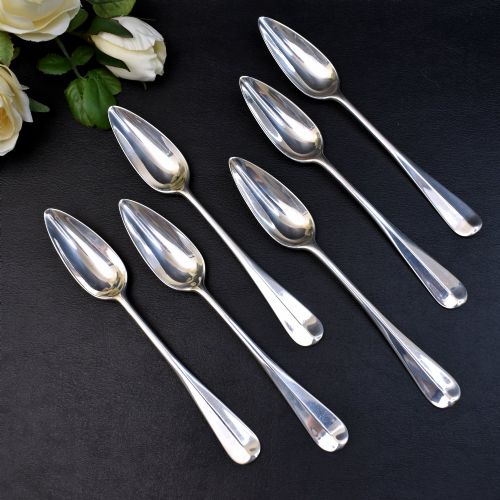
When you search for scottish silver cutlery, you encounter a specialised field encompassing everything from early eighteenth century rat tail tablespoons to Victorian naturalistic cutlery rests. The selection here leans heavily towards spoons, including serving spoons, basting spoons, gravy spoons, hash spoons, and grapefruit spoons, alongside knives, forks, and toddy ladles.
The pieces span multiple distinct eras, taking in Queen Anne, George I, George III, Regency, and Victorian periods, right through to Art Deco designs of the 1920s. Provincial output is particularly prominent, featuring work originating from towns outside Edinburgh such as Banff, Inverness, and Oban.
Forms range from private die tablespoons to agate handled cutlery and specialised fruit spoons. Each category reflects the distinct habits of Scottish dining and the specific output of regional makers working in sterling silver.
Materials and construction
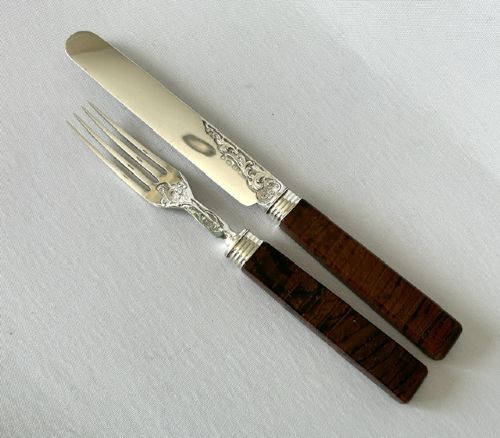
The primary material across the listings is sterling silver, worked by hand into solid flatware, heavy hash spoons, and delicate gravy ladles. Some domestic utensils incorporate decorative hardstones, pairing sterling silver blades and tines with agate or green marble handles.
Silver grapefruit spoons from the nineteen twenties sit alongside heavy eighteenth century hash spoons, proving Scottish dining habits evolved.
Judging quality in scottish silver cutlery
Quality rests significantly on the clarity of the town marks, maker stamps, and assay office punches that verify the provincial or Edinburgh origin. Crispness of the original chasing, engraving, and rat tail drops distinguishes superior early pieces from those worn down by generations of use and polishing.
Weight and structural integrity also separate standard domestic flatware from substantial serving pieces like hash spoons and basting spoons. The survival of matching sets, original agate handles, and untouched maker marks elevates the standing of individual pieces.
Hamilton & Inches·James Tait·Robert Gordon·Richard Rae·Alexander Henderson
The Scottish Silver Cutlery Glossary
- Rat tail
- A tapering tongue-like ridge on the underside of a spoon bowl, reinforcing the join to the stem.
- Provincial silver
- Items made and marked in towns outside the main assay cities, often bearing unique maker and town punch combinations.
- Basting spoon
- A large spoon used in food preparation and serving, substantially longer than a standard tablespoon.
- Private die
- A custom die commissioned by a wealthy family or institution to stamp unique crests or ciphers onto flatware.
- Toddy ladle
- A small drinking spoon with a twisted whalebone or silver handle, designed for mixing hot spirits and water.
Scottish Silver Cutlery: Frequently Asked Questions
How do I date antique spoons?
Dating relies upon the combination of maker punches, town marks, and duty marks stamped directly into the silver. Stylistic indicators like rat tail bowls, handle shapes, and engraving styles also point to specific eras from the eighteenth century onwards.
Matching the punch patterns against historical records provides the most accurate timeframe for provincial and Edinburgh pieces alike.
How do I care for antique silver?
Maintaining antique silver requires minimal intervention using non abrasive cloths and specialised silver polishes only when necessary. Regular gentle washing with warm soapy water removes everyday residues without wearing away thin hallmarks.
Storing pieces in tarnish resistant cloth wraps protects the surface and preserves the crispness of maker marks and engravings.
Are agate handled pieces fragile?
Agate and marble inserts add natural colour and decorative contrast to Victorian knives, forks, and flatware. While stone handles are robust, they require careful handling and hand washing to prevent damage.
Sudden temperature changes and harsh dishwashing chemicals can weaken the cement securing the stone into the silver ferrule.