

Victorian Sterling Flatware
Victorian sterling flatware brings substantial silver and refined service to the table through canteens, caddy spoons and servers spanning the nineteenth century.
Victorian Sterling Flatware
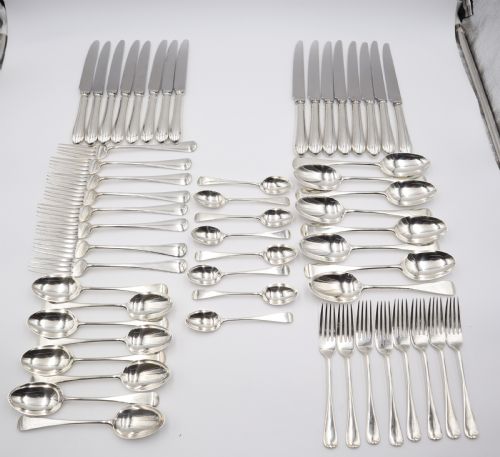
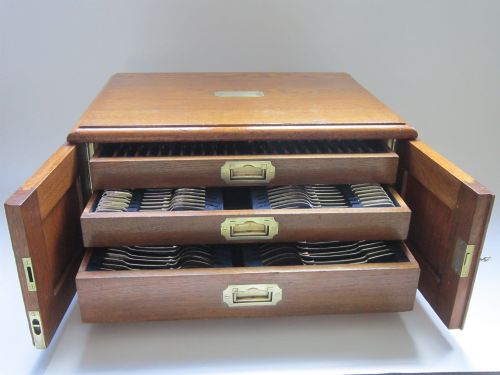
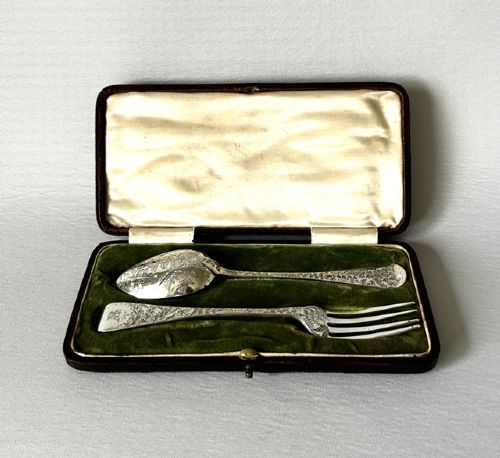
Victorian sterling flatware encompasses an array of cutlery, serving spoons, caddy spoons, tongs and canteens intended for formal dining and tea service. Buyers searching this phrase meet everything from single boxed christening sets to full canteens for twelve persons.
The objects derive largely from nineteenth-century English and Scottish workshops, featuring provincial items alongside pieces bearing hallmarks from major assay offices. Sets frequently combine utilitarian forks and spoons with specialised servers for fish, fruit and pastry.
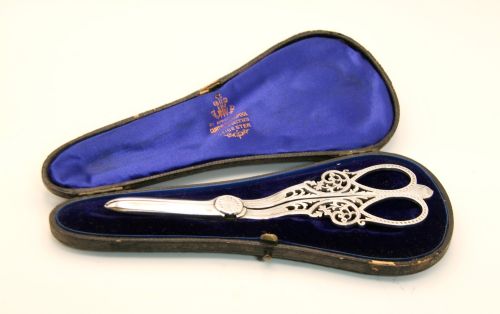
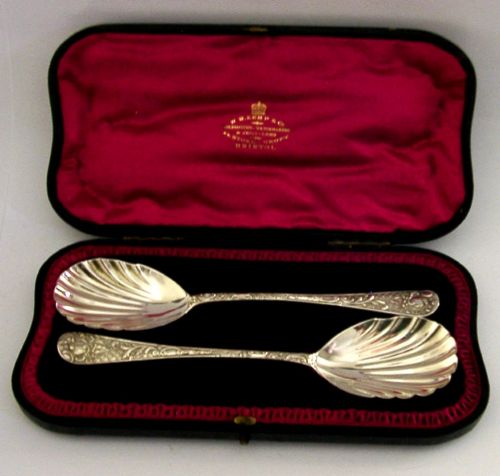
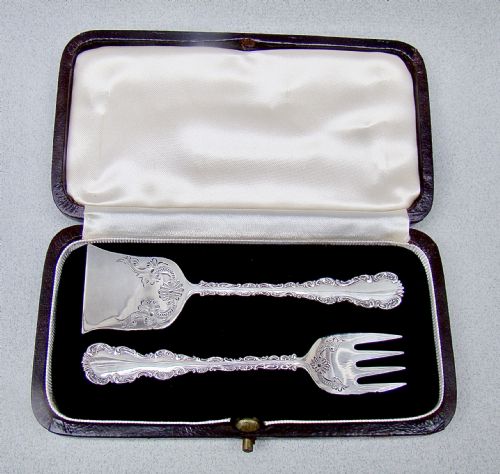
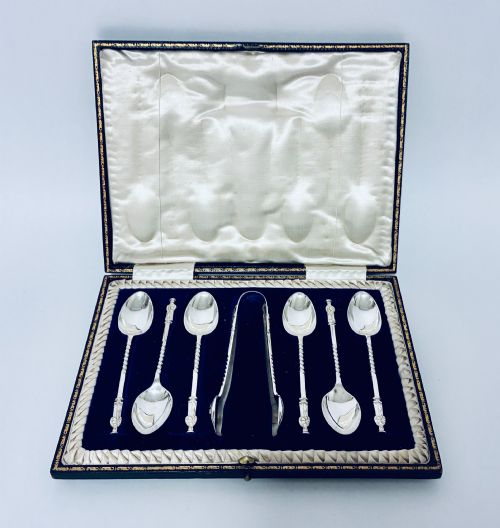
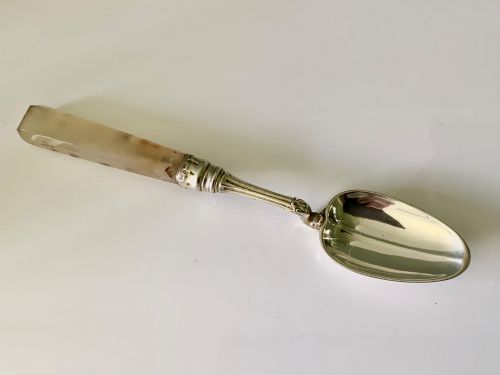
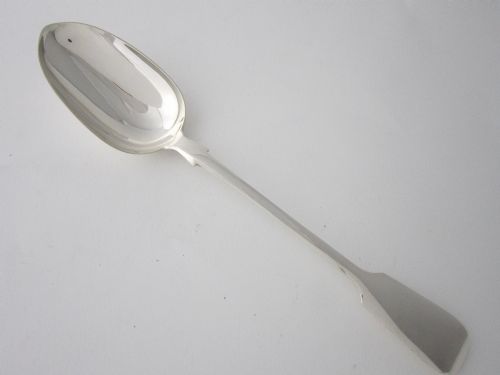
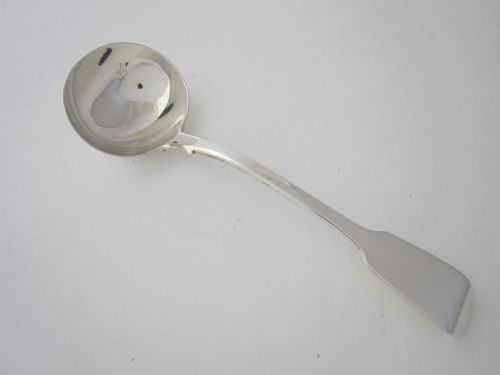
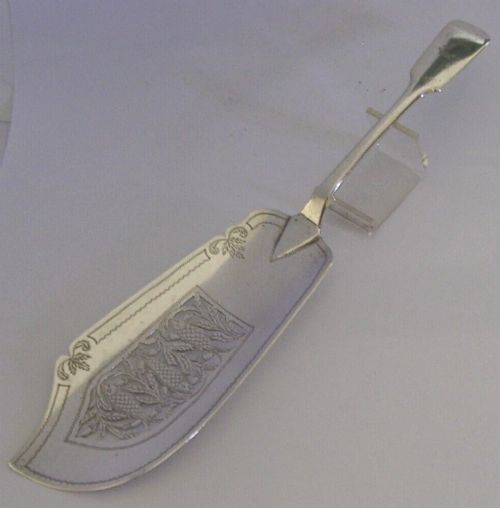
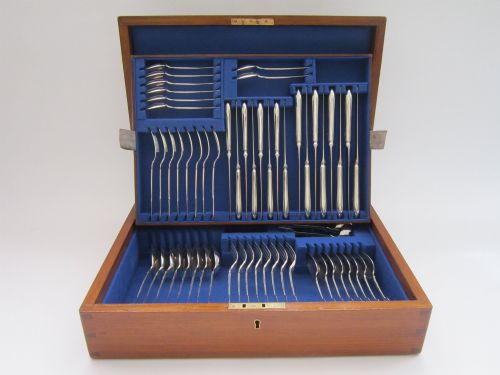
Fiddle pattern handles appear repeatedly alongside cast silver blades and mother-of-pearl handles, anchoring the category in traditional nineteenth-century dining practices. Fitted presentation cases lined with velvet, silk, satin or leatherette frequently accompany the spoons and knives.
Materials and Technique
Makers shaped these utensils from sterling silver, frequently pairing the precious metal with steel blades for knives, mother-of-pearl for fruit utensil handles, and agate for specialised spoons. Cases utilised velvet, silk, satin and leatherette to protect the silver components during storage.
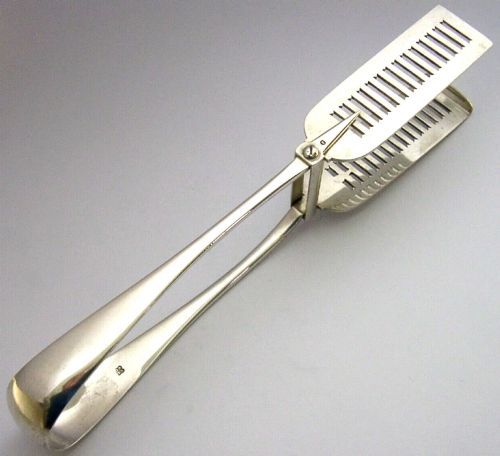
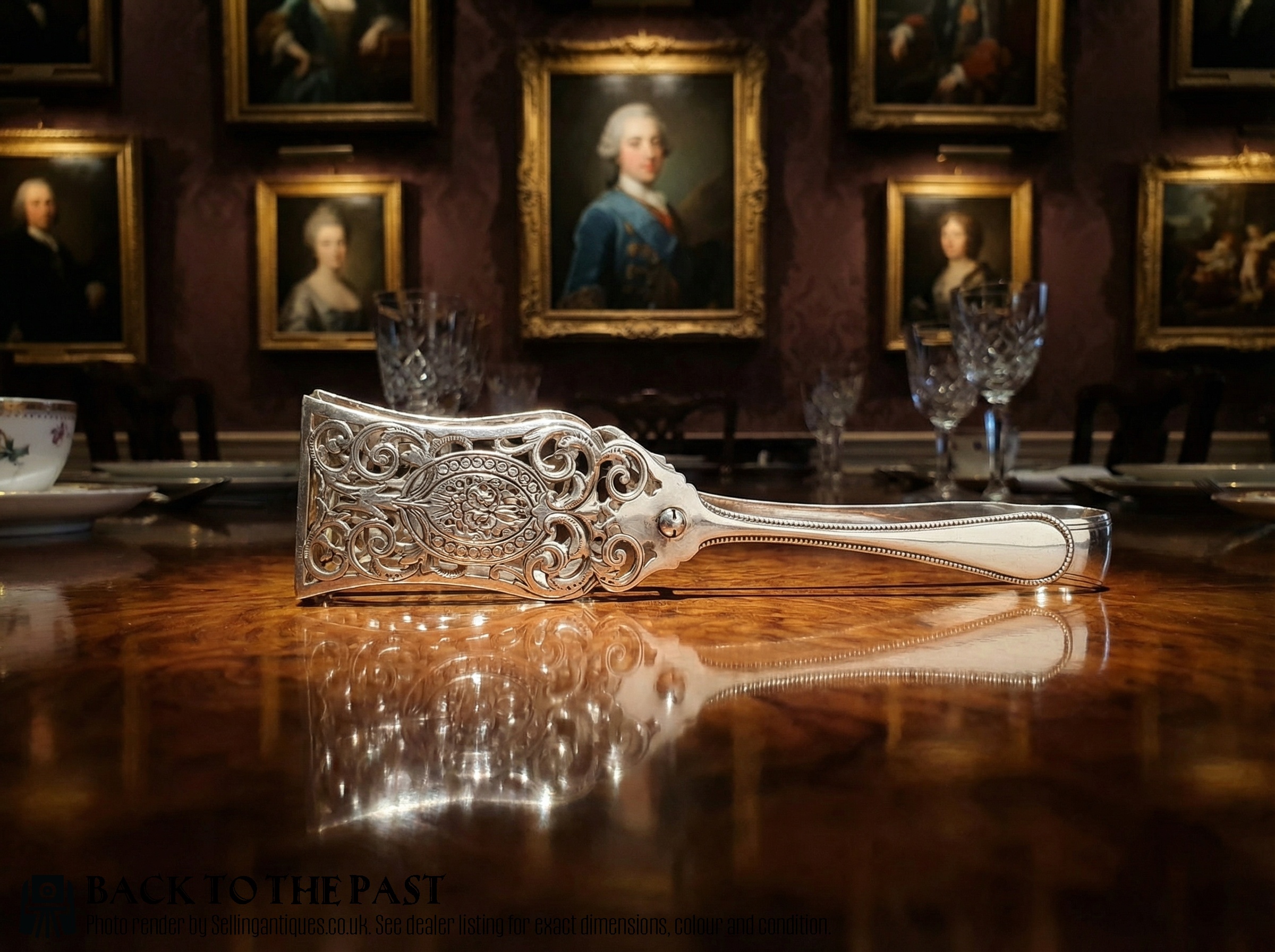
Craftsmen employed traditional techniques including casting for ornate fruit knives and serving tongs, alongside hand-finishing for fiddle pattern stems and engraved family crests. Assay office hallmarks stamped into the silver record the specific year, city and maker behind each piece.
Some Victorian fruit knives paired sterling silver blades with delicate mother-of-pearl handles, perfect for slicing peaches without metal taint.
Design and Execution
Quality separates through the crispness of cast decorative details such as apostle figures, rococo scrollwork or engraved family crests upon the silver surface. Substantial gauge silver provides a heavier weight in the hand compared to lighter, more flexible metal.
The presence of original fitted boxes lined in silk, velvet or leatherette elevates certain canteens and christening sets. Maker attribution to notable silversmith firms also distinguishes standard production pieces from higher-tier output.
Martin Hall & Co·Henry Wilkinson·Goldsmiths & Silversmiths Co·Hamilton & Inches·John Walton
The Victorian Sterling Flatware Glossary
- Sterling silver
- A silver alloy containing 92.5 percent pure silver and 7.5 percent other metals, usually copper, ensuring durability for cutlery. This standard composition is verified by official assay office hallmarks.
- Fiddle pattern
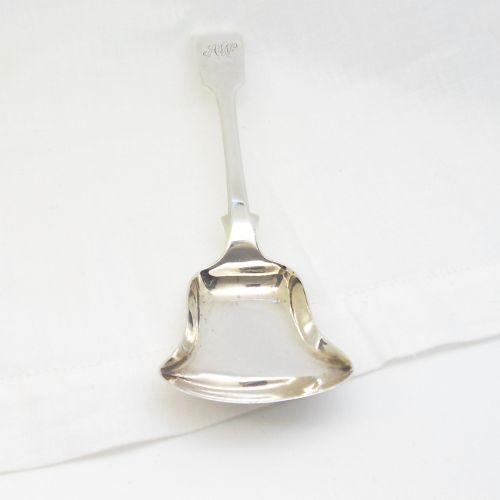
- A popular nineteenth-century flatware handle shape featuring a narrow stem that widens towards the terminal with subtle shoulders. It appears frequently on Victorian tablespoons, forks and ladles.
- Caddy spoon
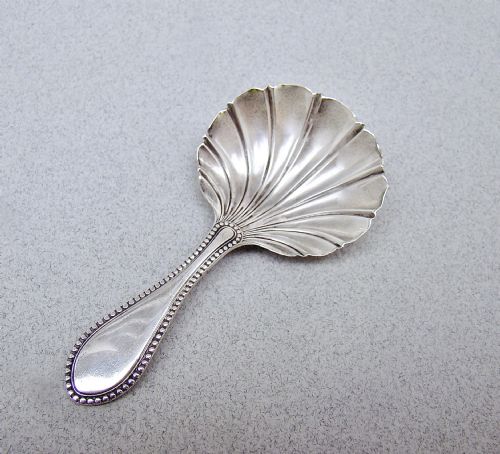
- A short-handled spoon specifically designed for measuring loose tea leaves from a storage caddy. These small spoons often feature shell bowls or engraved bowls.
- Assay office
- An official regulatory body that tests precious metals and stamps items with hallmarks to guarantee their silver purity. Towns such as Sheffield, Birmingham, Newcastle and Glasgow maintained active offices.
- Bifurcate spoon
- A spoon featuring a split or two-pronged bowl tip, often utilised for serving fruit or specific delicacies. The design aids in both scooping and piercing items at the table.
Victorian Sterling Flatware: Frequently Asked Questions
How do I identify Victorian flatware?
Examine the pieces for official assay office hallmarks that indicate the metal standard and year of production. Stylistic markers such as fiddle pattern handles and engraved family crests also point directly to the nineteenth century.
Matching the hallmarks against historical records confirms the exact city and maker. This physical evidence establishes the true period of manufacture without relying on guesswork.
What were caddy spoons used for?
Caddy spoons measured dry tea leaves from a caddy into the teapot during the nineteenth-century tea service. Their compact size and shallow bowls suited the storage vessels of the period.
These small silver pieces often display decorative shell bowls and engraved details. They remain popular with collectors due to their distinct regional variations and maker marks.
How should I care for silver flatware?
Wash sterling silver utensils gently by hand in warm soapy water and dry them immediately with a soft cloth. Avoid abrasive cleaners that can scratch the metal or wear down engraved crests and hallmarks.
Store the pieces in tarnish-resistant cloth or their original fitted velvet and satin cases. Regular, gentle use prevents heavy tarnish accumulation while maintaining the natural lustre of the silver.
What is a marrow scoop?
A marrow scoop is a long, narrow utensil featuring small trough-like bowls at each end designed for extracting bone marrow. It formed part of formal dining arrangements in earlier periods and carried over into nineteenth-century collections.
The dual-ended design accommodated different bone sizes during service. These slender silver pieces are easily recognised by their unique trough profiles.