
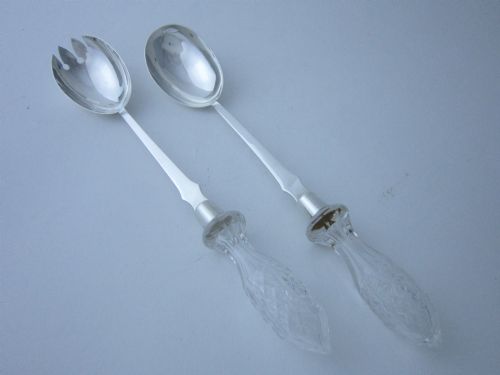


Silver Serving Tongs
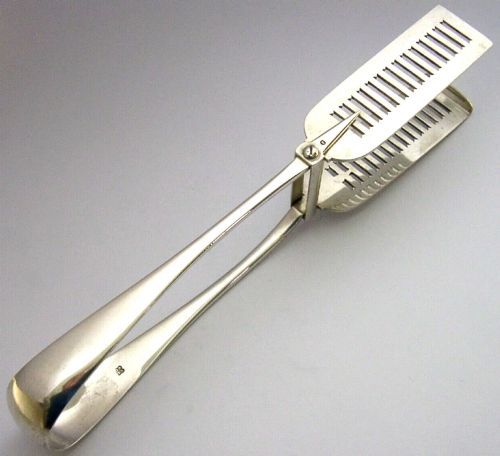
Silver serving tongs bring formal dining history to the table, handling everything from delicate asparagus to heavy sandwich cakes with genuine period weight.
Silver serving tongs
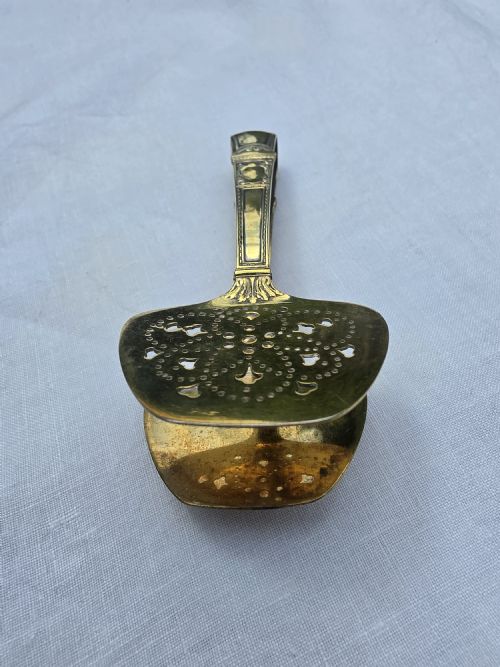
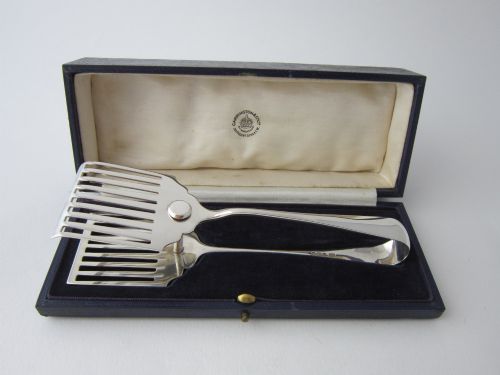
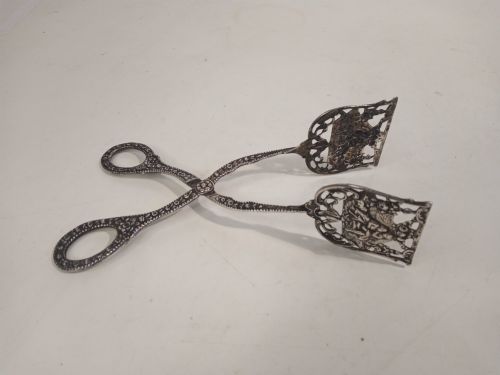
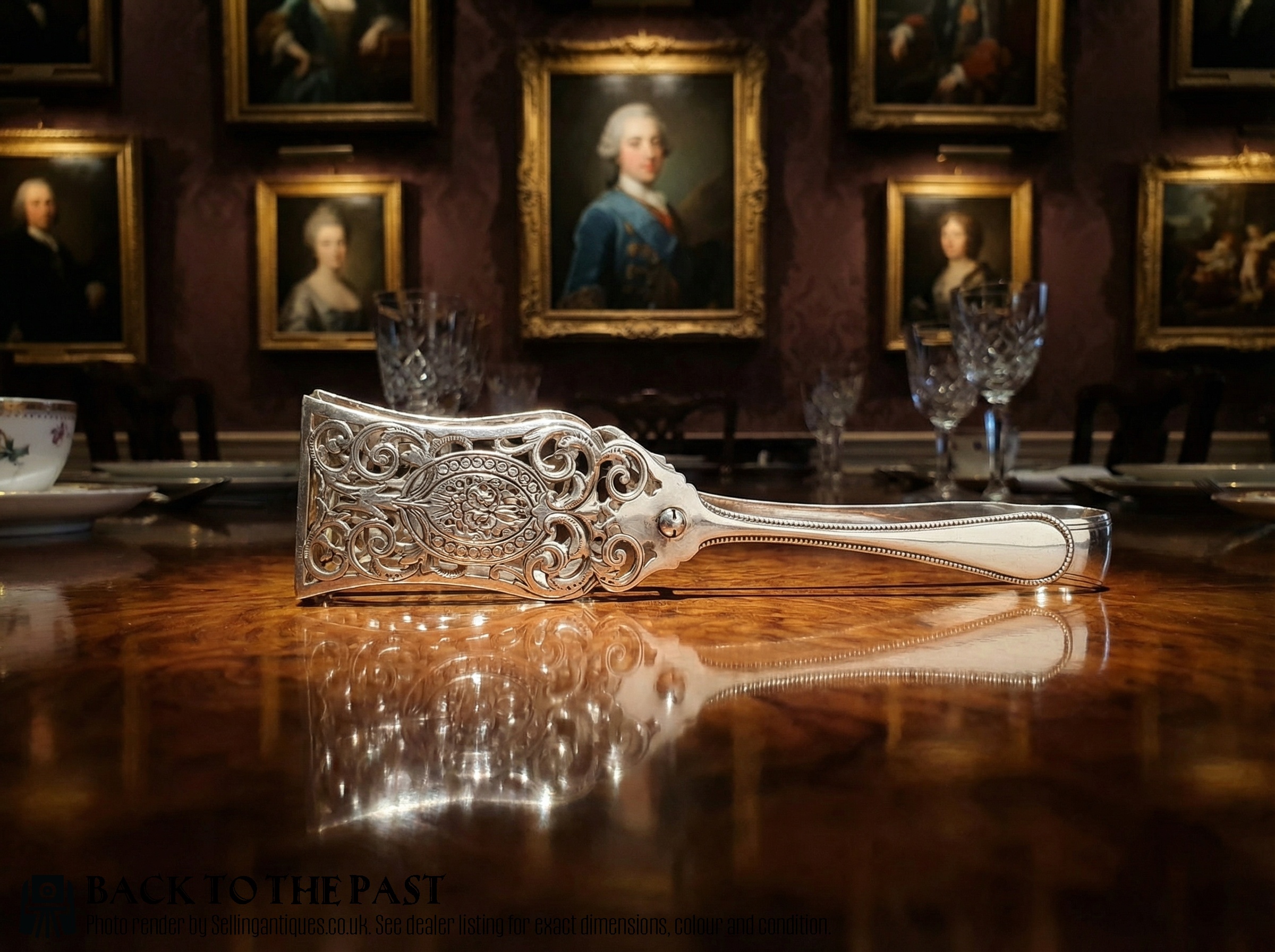
Silver serving tongs span several distinct dining functions, appearing most frequently in the historical record as heavy implements designed for asparagus, sandwiches, cakes, and vegetables. Buyers browsing this page will encounter diverse forms ranging from Victorian crested pairs to Art Deco sugar nips and continental designs.
The objects originate across multiple periods, with Victorian and George V examples dominating the available selections alongside earlier Georgian pieces and later 1930s creations. Makers utilised specific structural designs tailored to the food they were meant to lift, such as wide blades for sandwiches or long slots for draining asparagus.
Materials and construction
The overwhelming majority of pieces are forged from sterling silver or solid silver alloys, occasionally incorporating natural elements such as mother of pearl handles. Smiths and silversmiths utilised traditional hammering, piercing, and casting techniques to shape the spring arms and detailed terminals.
Many heavy examples feature engraved family crests or patterned handles cast in popular motifs like the Hanoverian or Kings pattern. Piercing work appears on blade sections intended to drain butter or juices from vegetables and fish.
Retail Price Guide 2026
Typical UK retail prices for silver serving tongs, calculated from the Sellingantiques database of over a million retail prices indexed since 2003. This retail price guide relies exclusively on Sellingantiques data; no external sources or auction records are used, so the figures do not describe the wider market.
Some Victorian asparagus tongs required an engineering degree just to grab a single vegetable spear without causing a table catastrophe.
Assessing quality and weight
Quality in these implements rests largely upon substantial weight and balanced spring tension in the hinge, separating robust dining tools from lighter sugar pieces. Heavier specimens often exceed one hundred and fifty grams of solid silver, providing a tactile solidity in the hand.
Fine craftsmanship shows in the crispness of engraved family crests, well-executed piercing work, and integrated mechanisms that maintain their resilience over decades of use. Simpler stamped construction sits at the opposite end of the range from hand-forged artisan pieces.
Georg Jensen·Arthur Stone
The Silver Serving Tongs Glossary
- Sterling silver
- A silver alloy containing 92.5 percent pure silver by mass, forming the standard material for British dining implements. This composition balances durability with traditional lustre.
- Asparagus tongs
- Long-handled spring implements featuring broad, sometimes pierced blades designed to grasp and drain stalks securely. They reflect specialised dining habits of the Victorian and Edwardian eras.
- Sandwich tongs
- Wide-jawed serving implements engineered to lift pastries or layered sandwiches without breaking them. They often possess significant heft and flat gripping surfaces.
- Sugar nips
- Smaller scissor-action or spring tools utilised for grasping sugar lumps during tea service. They represent a more delicate scale than heavy vegetable or asparagus pieces.
- Hanoverian pattern
- A traditional handle design characterised by a central ridge along the stem and a upturned terminal. It appears frequently on formal flatware and serving pieces.
Frequently Asked Questions
What were silver serving tongs used for?
These implements were utilised at the formal dining table to transfer specific foods like asparagus, cakes, sandwiches, and vegetables from communal platters to individual plates.
Their specialised shapes, such as wide blades or slotted jaws, allowed hosts to serve delicate items cleanly without using fingers or standard cutlery.
How do I care for silver serving tongs?
Regular gentle washing in warm soapy water with a soft cloth keeps the silver clean without wearing down antique hallmarks or fine engravings.
Storage in tarnish-resistant cloth wraps helps preserve the polished surface when the pieces are not actively in use on the dining table.
Are these tongs heavy to hold?
Many historical serving implements possess a surprisingly substantial heft, often weighing between one hundred and two hundred grams depending on their intended food type.
Sandwich and asparagus variations tend to be heavier and more robust, whilst sugar nips remain light and nimble in the hand.
How can I tell the period of the tongs?
Makers' marks, standard silver hallmarks, and style indicators like Art Deco geometric lines or Victorian crests provide clear dating evidence.
Design shifts from plain Georgian forms to ornate Victorian piercing and later Secessionist styles also help identify the era of manufacture.