
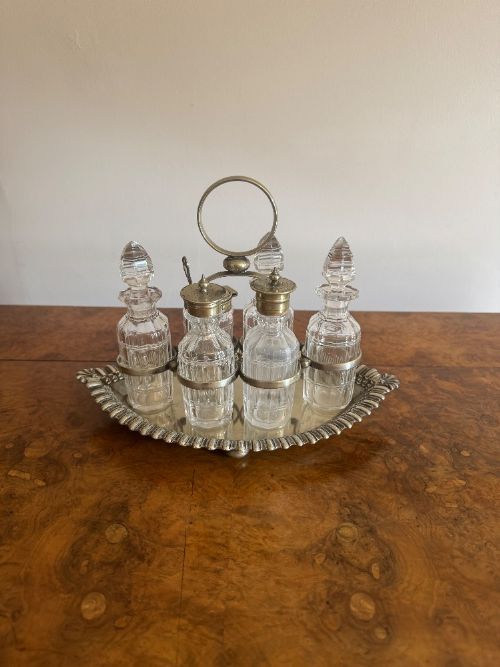

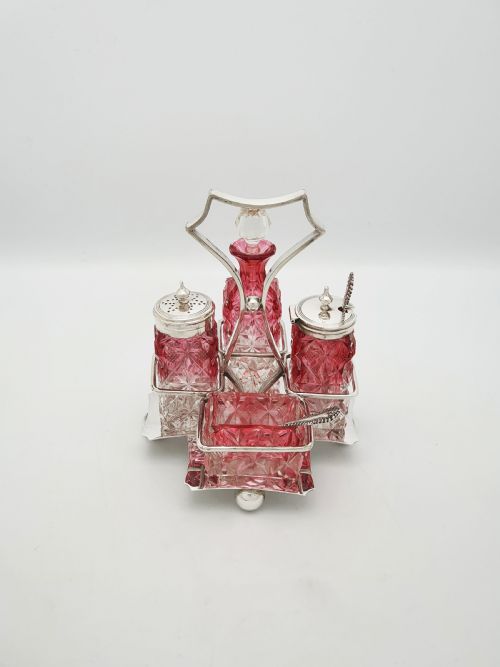

Silver Plated Server
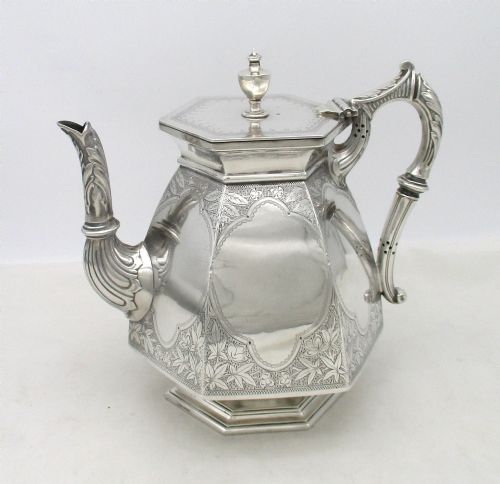
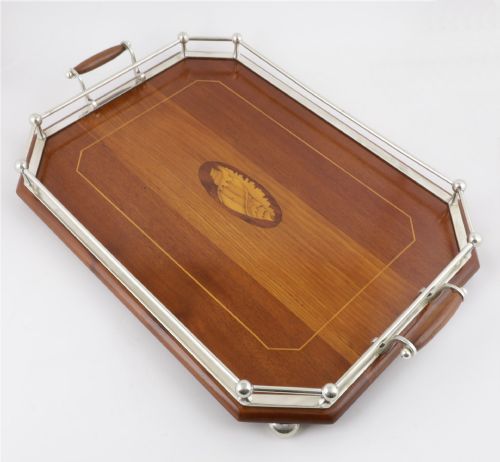
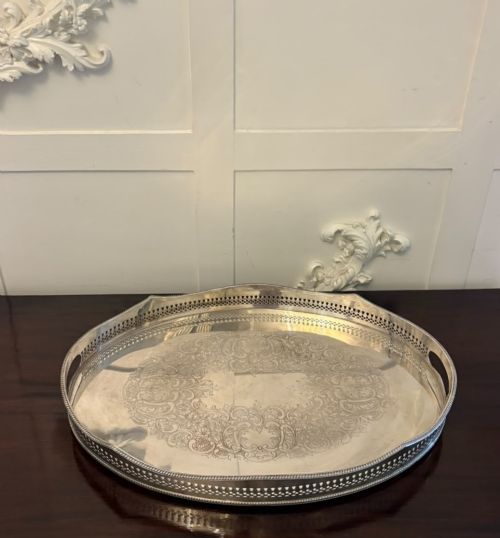
When searching for a silver plated server, you encounter versatile dining implements and serving vessels spanning the Victorian, Edwardian and Georgian eras.
Silver Plated Server
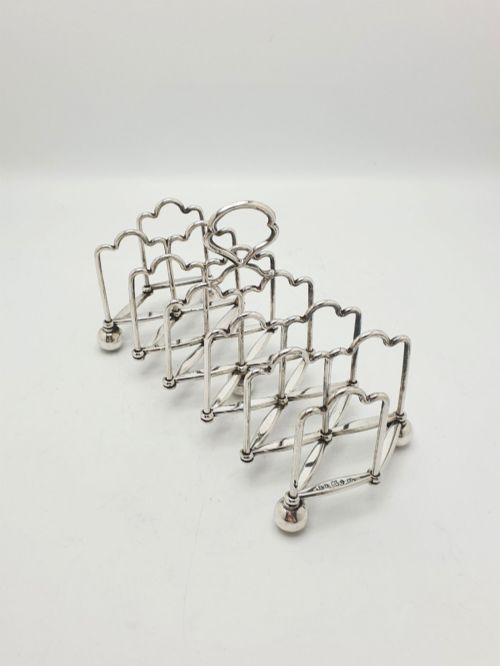
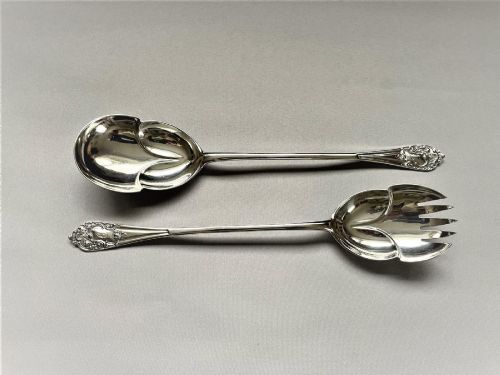
The term silver plated server encompasses a wide variety of dining utensils and serving pieces designed for specific foods, ranging from fish servers and asparagus tongs to wine bottle cradles and larger entree dishes.
On this page, you are most likely to meet Victorian and Edwardian examples alongside earlier Old Sheffield Plate pieces, reflecting the dining customs of the nineteenth and early twentieth centuries.
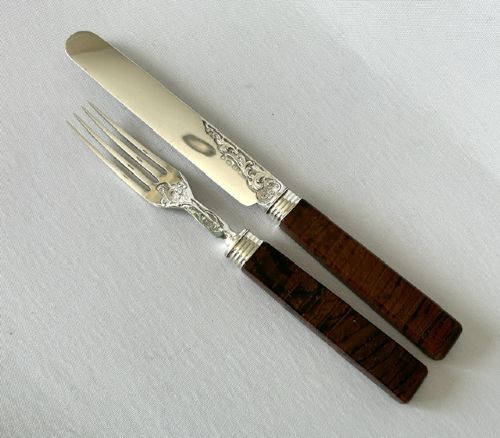
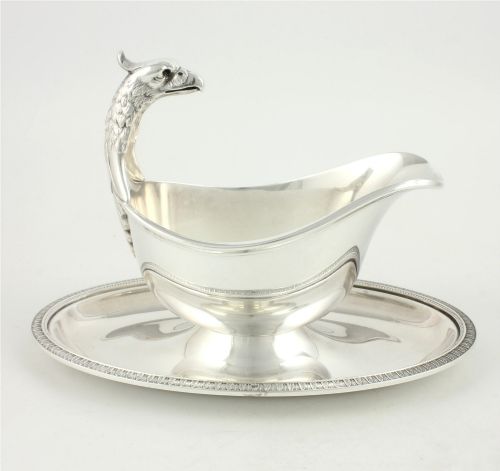
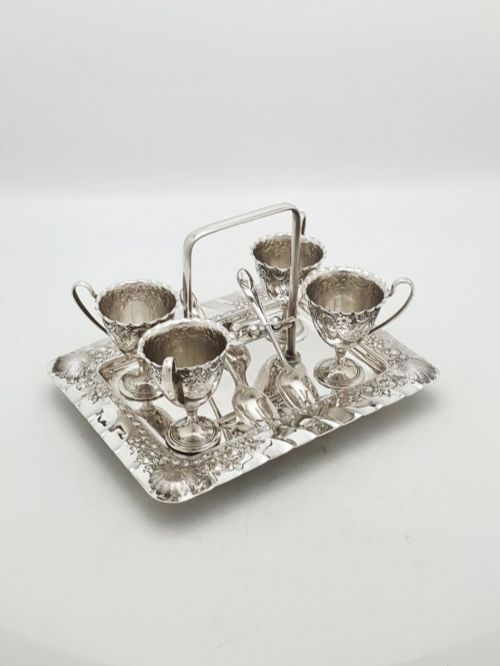
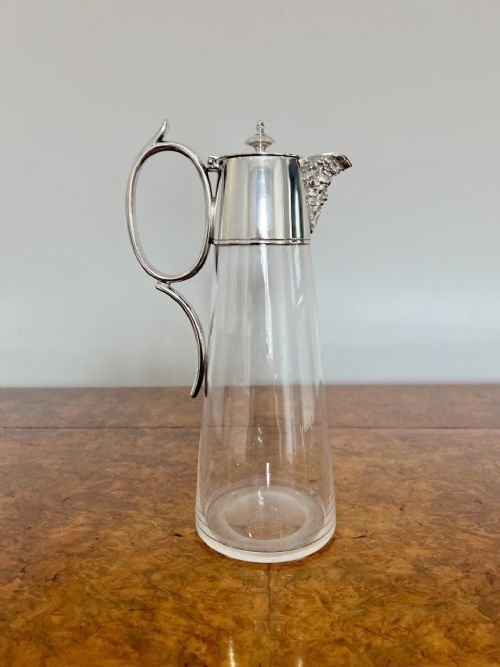
The forms extend from dedicated cutlery pairs with engraved blades to hollowware and cruet sets, demonstrating the broad scope of silver plate manufacturing during these periods.
Materials and methods of production
The underlying metal base typically consists of copper or nickel silver, upon which a layer of silver is applied through electroplating or the earlier fused Old Sheffield Plate technique.
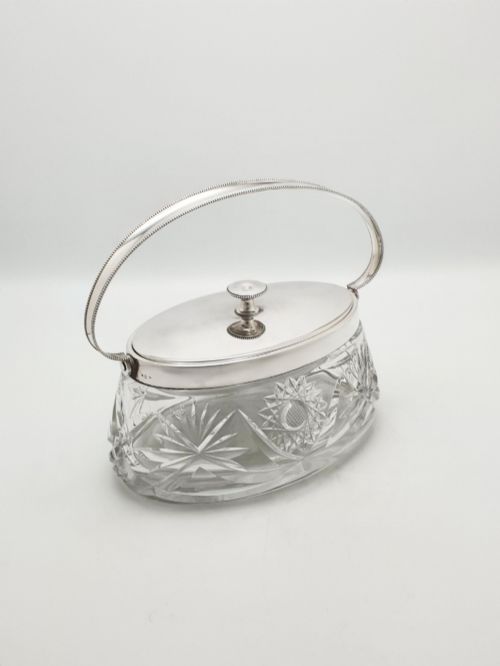
Many items combine this plated metal with organic or glass components, such as carved oak salad bowls, cut glass inserts, and handles formed from ivory, mother-of-pearl or stag horn.
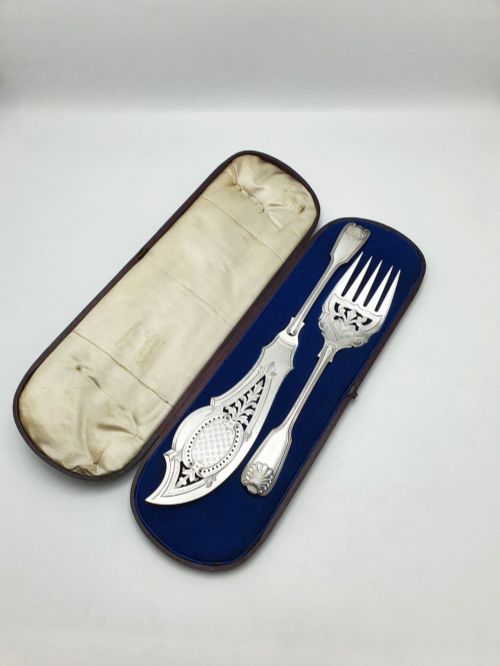
Decoration is achieved through engraving, embossing and applied shell or scroll motifs, often paired with fitted wooden presentation boxes for formal dining sets.
Squirrels hold your nuts when you employ a whimsical silver-plated nut dish from the early twentieth century.
Factors that distinguish the range
Depth and clarity of the original engraving on blades and trays indicate the skill of the artisan, where shallow or worn stamping separates standard production from finer workmanship.
The integrity of the underlying metal base dictates durability, as wear revealing the copper or base metal alters the appearance and historical value of the piece.
The incorporation of high-grade supplementary materials, such as heavy cut glass liners, genuine stag handles, or marked maker credentials, elevates the standing of an item within the collection.
Roberts Cadman·Mappin and Webb·Elkington·Christofle Gallia·Walker and Hall·Thomas Bradbury·Matthew Boulton·F. Cobb·Goldsmiths and Silversmiths·Daniel and Arter
The Silver Plated Server Glossary
- Electroplated Nickel Silver
- A copper, nickel and zinc alloy coated with a layer of pure silver through an electrical process. This method became widespread in the mid nineteenth century as a cost-effective alternative to solid silver.
- Old Sheffield Plate
- A composite material made by fusing a thin sheet of silver to a thicker copper core before shaping. This technique predates electroplating and is identified by thin lines of exposed copper along edges.
- EPNS
- An abbreviation for Electroplated Nickel Silver commonly stamped onto the underside of serving pieces. It signifies the metallic composition beneath the silver coating.
- Fish Servers
- A matched knife and fork set specifically proportioned for serving fish courses. Blades are often pierced and heavily engraved with floral or marine motifs.
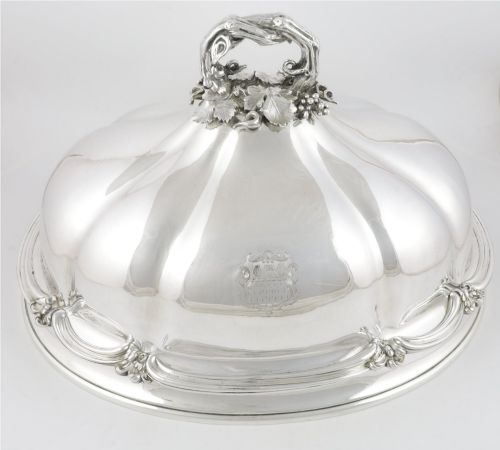
- Entree Dish
- A covered serving vessel used for presenting main courses at the dining table. Many examples feature removable handles to allow the base to function as two separate dishes.
Silver Plated Server: Frequently Asked Questions
How do I clean antique silver plate?
Maintenance requires mild soapy water and a soft cloth to preserve the thin silver layer over the base metal. Avoid harsh chemical dips that strip away remaining plating and damage organic handles.
Regular gentle polishing with a dedicated silver cloth prevents tarnish build-up without accelerating wear on the high points of engraved designs.
Were fish servers used for other foods?
Fish servers were specifically proportioned with wide, flat blades to support delicate flaky fish portions during formal nineteenth-century dining. Their broad surfaces also suited the presentation of soft pastries or similar table items.
Despite this versatility, the engraved marine motifs and asymmetrical shapes remain tied to the fish course traditions of the Victorian period.
What is the difference between Old Sheffield Plate and EPNS?
Old Sheffield Plate relies on a mechanical fusion process where silver is bonded to copper by heat and pressure, often showing a thin reddish line at the cut edges. Electroplated Nickel Silver utilises an electrical current to deposit silver onto a white metal alloy base.
Recognising this distinction helps date items, as Old Sheffield Plate primarily represents the Georgian and early nineteenth-century eras before electroplating superseded it.
Can I use these serving pieces daily?
Many items retain sturdy construction suitable for modern dining use, provided they receive careful hand washing rather than dishwasher cleaning. Organic elements like ivory or wooden handles require protection from prolonged soaking and extreme temperature changes.
Storing pieces in lined boxes or cloth rolls prevents surface scratching when they are not in active rotation on the dining table.