
Antique Dining Accessories
Antique dining accessories bring period charm to the table through small silver, glass and mahogany pieces designed for specific hosting rituals.

Antique Dining Accessories
Antique dining accessories span the small accoutrements that populated formal dining tables from the Georgian period through the mid-twentieth century. Napkin rings, menu holders, knife rests and toast racks form the bulk of the items encountered here.
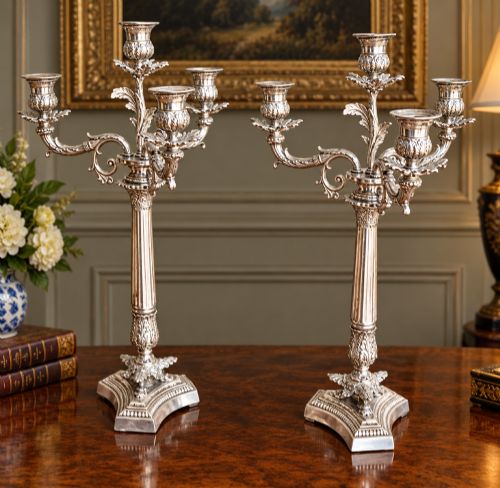
The selections range from heavy sterling silver pieces made during the Edwardian and George V eras to Victorian silver-plated serveware and wooden cheese coasters. These objects reflect formal dining customs that prized individual place settings and dedicated utensils for every course.
Materials and Techniques
Sterling silver and silver plate dominate the construction, shaped through casting, stamping and detailed hand chasing to create figural menu holders, napkin rings and cruet sets. Manufacturers also employed mahogany and glass liners for pieces such as cheese coasters and butter dishes.
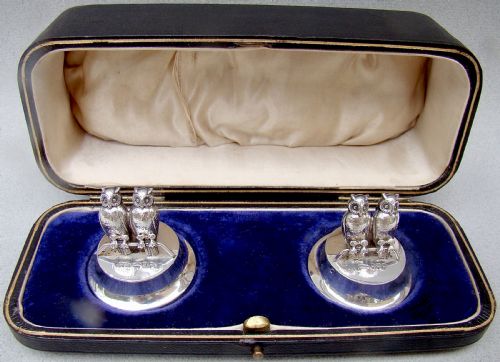
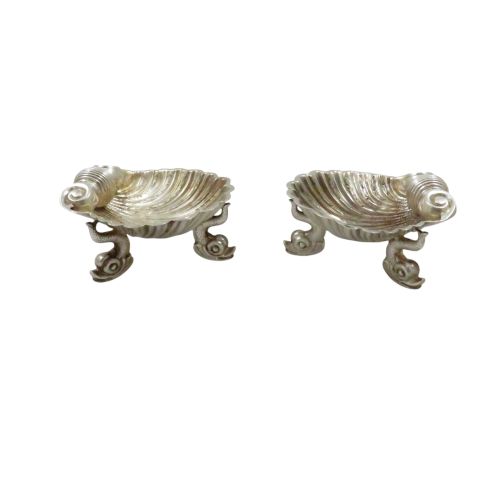
Makers utilised techniques like parcel gilding and applied decoration, seen in dolphin feet on salts and textured silver feathers on owl menu holders. Sturdy construction ensures these functional items survive in usable condition.
Antique Dining Accessories Retail Price Guide 2026
Typical asking prices for dining accessories among the pieces listed under this phrase on Sellingantiques today, from the lower quarter to the upper quarter. They describe what is for sale here now, not the wider market.
Dinner guests in the Edwardian era could check their meal plan next to a tiny silver monkey playing drums.
Evaluating Quality
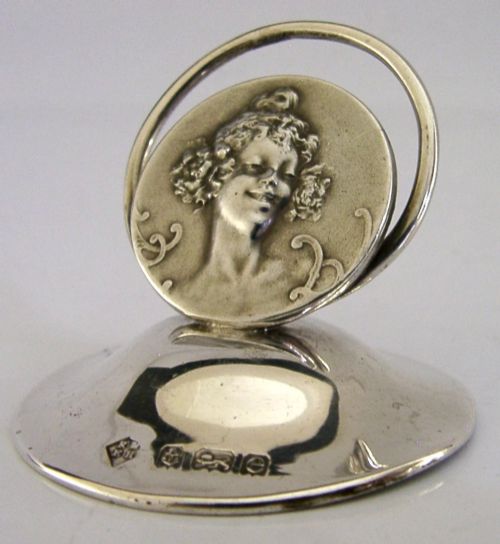
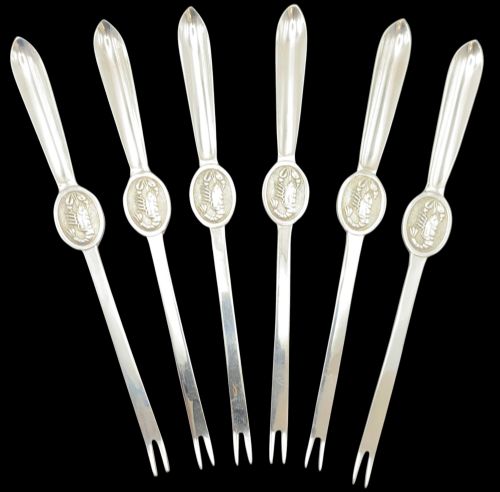
Quality rests on the crispness of casting and the weight of the metal, particularly in solid sterling silver napkin rings and knife rests. Crisp details on figural pieces, such as monkey drummers or sphinxes, separate superior work from mass-produced items.
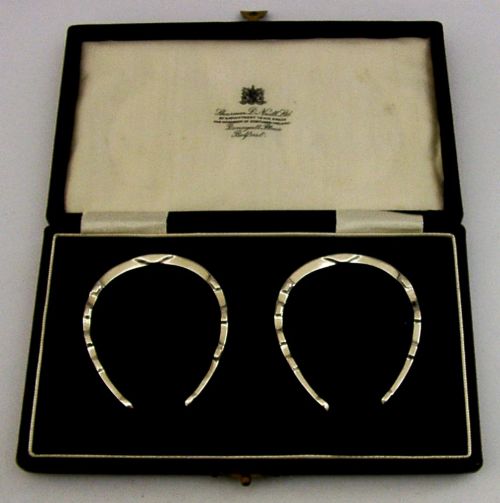
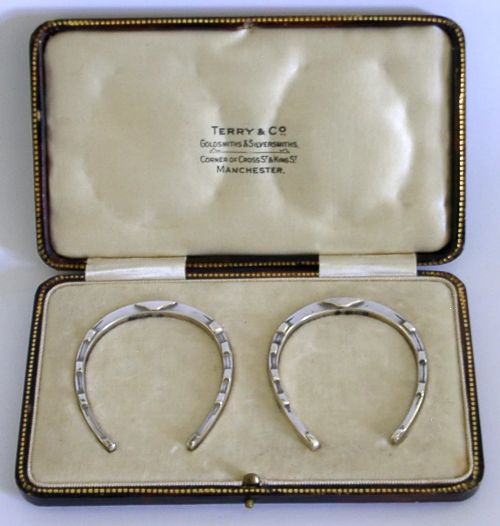
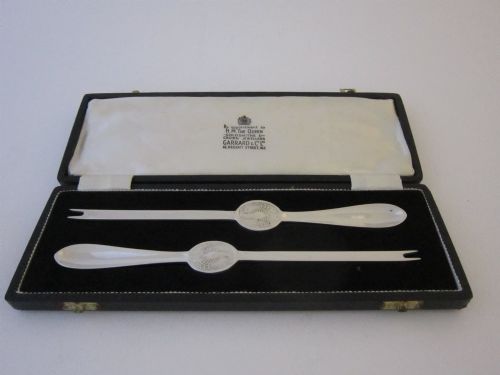
The integrity of hallmarks and the preservation of original fitted cases also indicate higher status. Pieces by known makers command attention through precise execution and substantial gauge silver.
Levi & Salaman·Christofle Gallia·R. E. Stone·Garrard
The Antique Dining Accessories Glossary
- Napkin ring
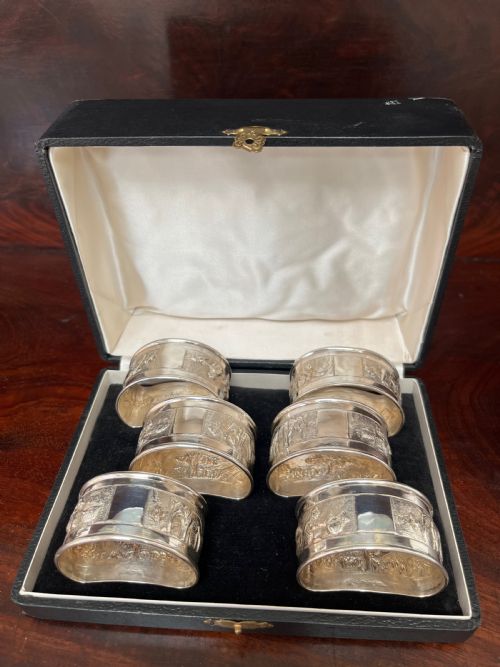
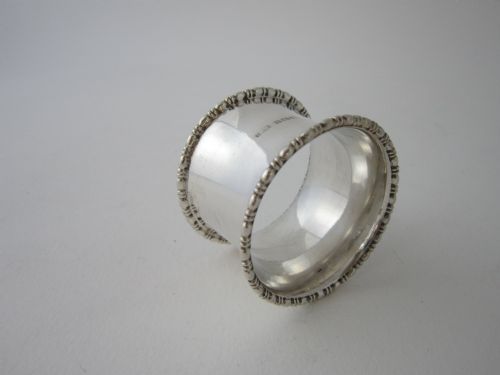
- A small band used to identify and store individual table napkins between meals. They often appear in matched sets and bear hallmarks for date and maker.
- Knife rest
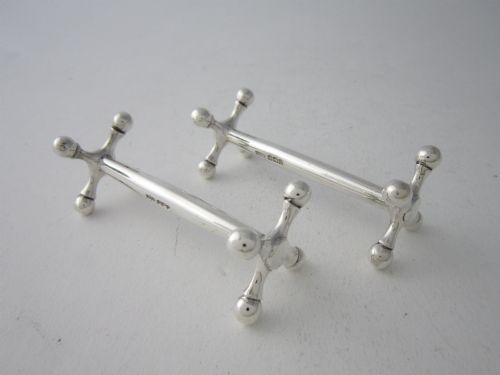
- A small support placed beside a plate to keep carving or dining knives elevated off the tablecloth. They are frequently cast in pairs or sets of four.
- Menu holder
- A decorative desk-style stand designed to display the evening meal selections on the dining table. Edwardian examples often take imaginative figural forms.
- Cruet set
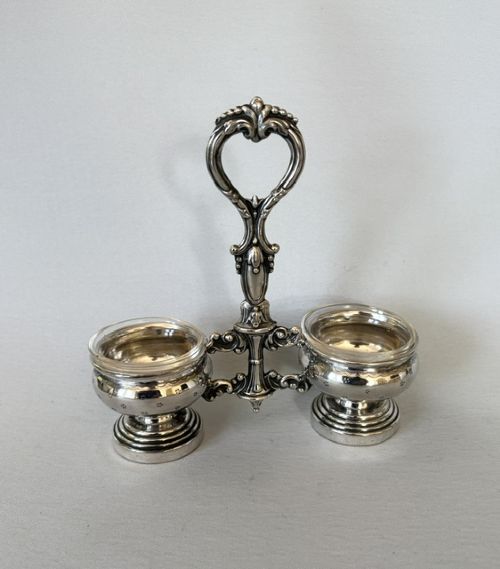
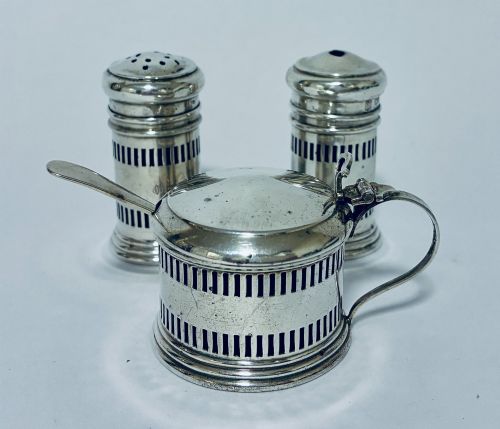
- A collection of glass bottles or pots mounted in a metal stand for holding condiments like vinegar, oil, salt and pepper. Complete sets frequently include matching spoons.
Antique Dining Accessories: Frequently Asked Questions
How were knife rests used?
Knife rests were placed on the table between courses to support carving knives or ordinary dining knives. This kept greasy blades away from fine table linen.
Pairs or sets of four are common, matching the scale of the service.
What is a toast rack?
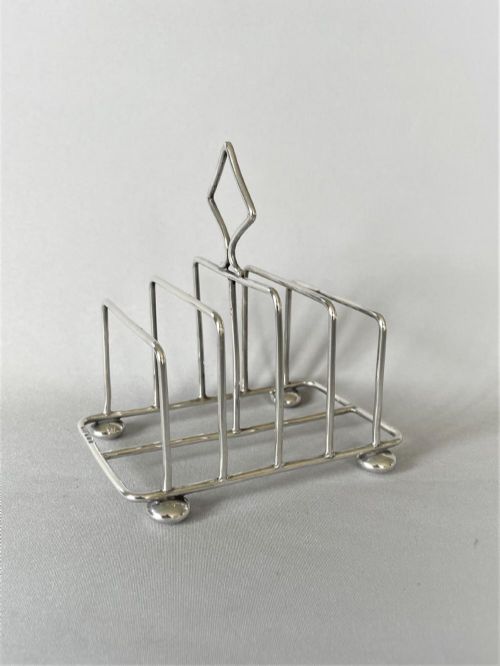
A toast rack is a small metal frame with vertical dividers designed to hold slices of toast upright. This kept the toast crisp by allowing air to circulate around the bread.
They appear in silver and silver plate from the Victorian and Edwardian periods.
How do I date silver napkin rings?
British silver napkin rings carry hallmarks that indicate the assay office, the maker's mark and a specific date letter. These stamps provide a reliable guide to the year of manufacture.
Many also survive in their original velvet-lined presentation cases.
What are grape shears?
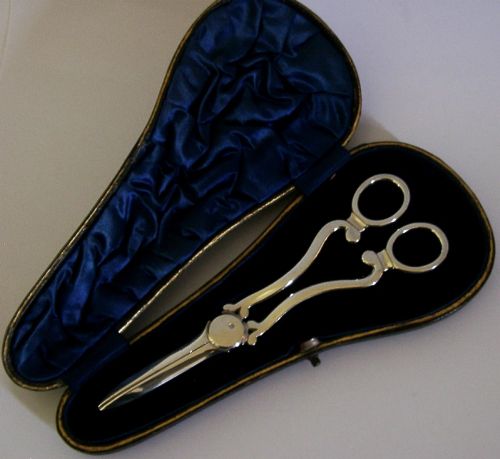
Grape shears are specialised scissors designed for snipping individual portions from a large bunch of fruit at the table. They often feature decorative handles cast in sterling silver.
Victorian and later examples frequently appear alongside other dessert utensils.