




Victorian Napkin Rings
Victorian napkin rings are small silver and turned wood table pieces that bring formal nineteenth-century dining detail to the modern breakfast table.

Victorian Napkin Rings
Victorian napkin rings encompass both individual pairs and matched boxed sets intended for formal family dining and gift giving. The search phrase covers functional table accessories dating primarily from the nineteenth century into the Edwardian period.
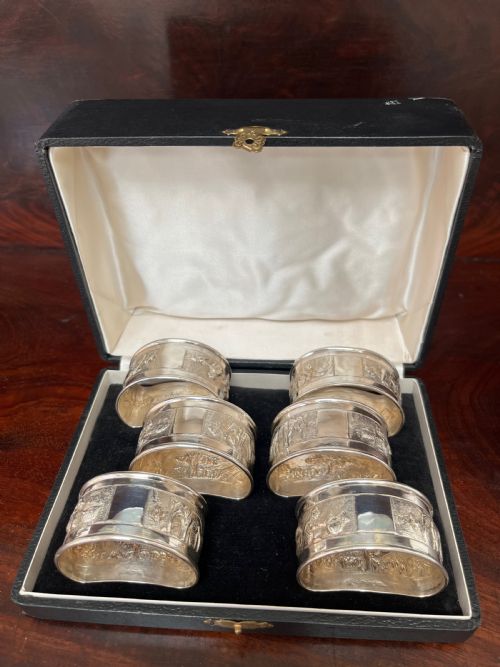
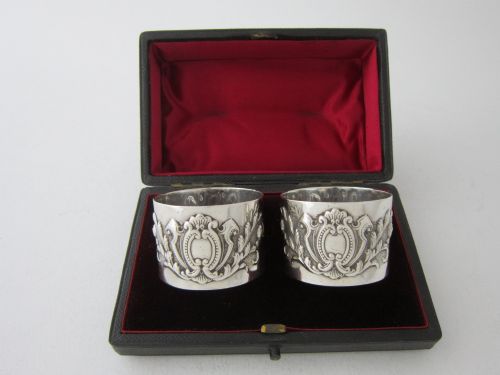
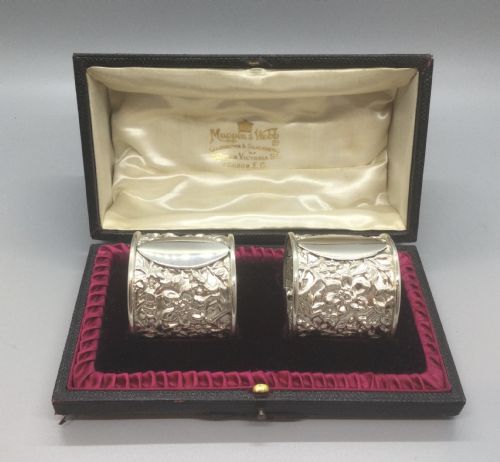
Most examples found in commerce are either solid sterling silver or silver plate, frequently housed in original presentation boxes lined with velvet, silk or leatherette. These domestic items range from simple circular bands to figural forms and naturalistic vine motifs.
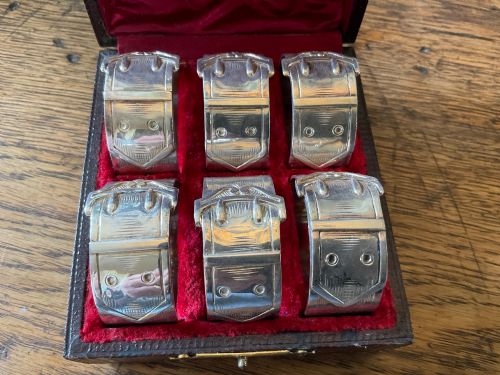
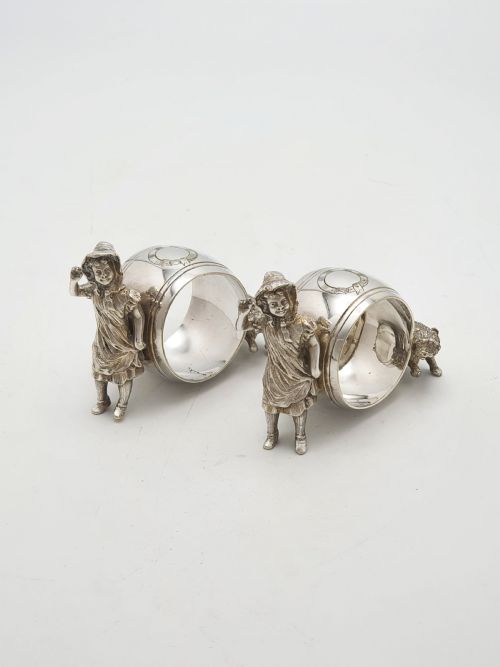
Sets of six appear regularly alongside pairs, sometimes accompanied by matching christening sets or numbered sequences. The forms shift from plain bands to ornate embossed designs and novelty shapes modelled as belts.
Materials and construction
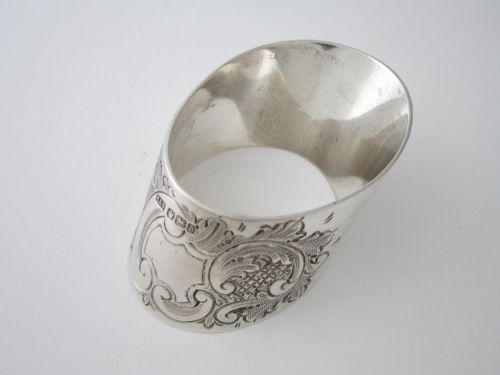
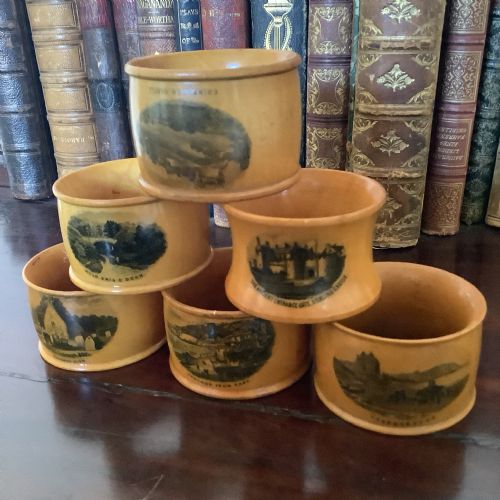
Silversmiths formed these objects from sterling silver and silver plate, frequently incorporating detailed repoussé work, chasing or engraved decoration such as grape and vine motifs. Workshops also utilised turned hardwood for mauchline ware variants.
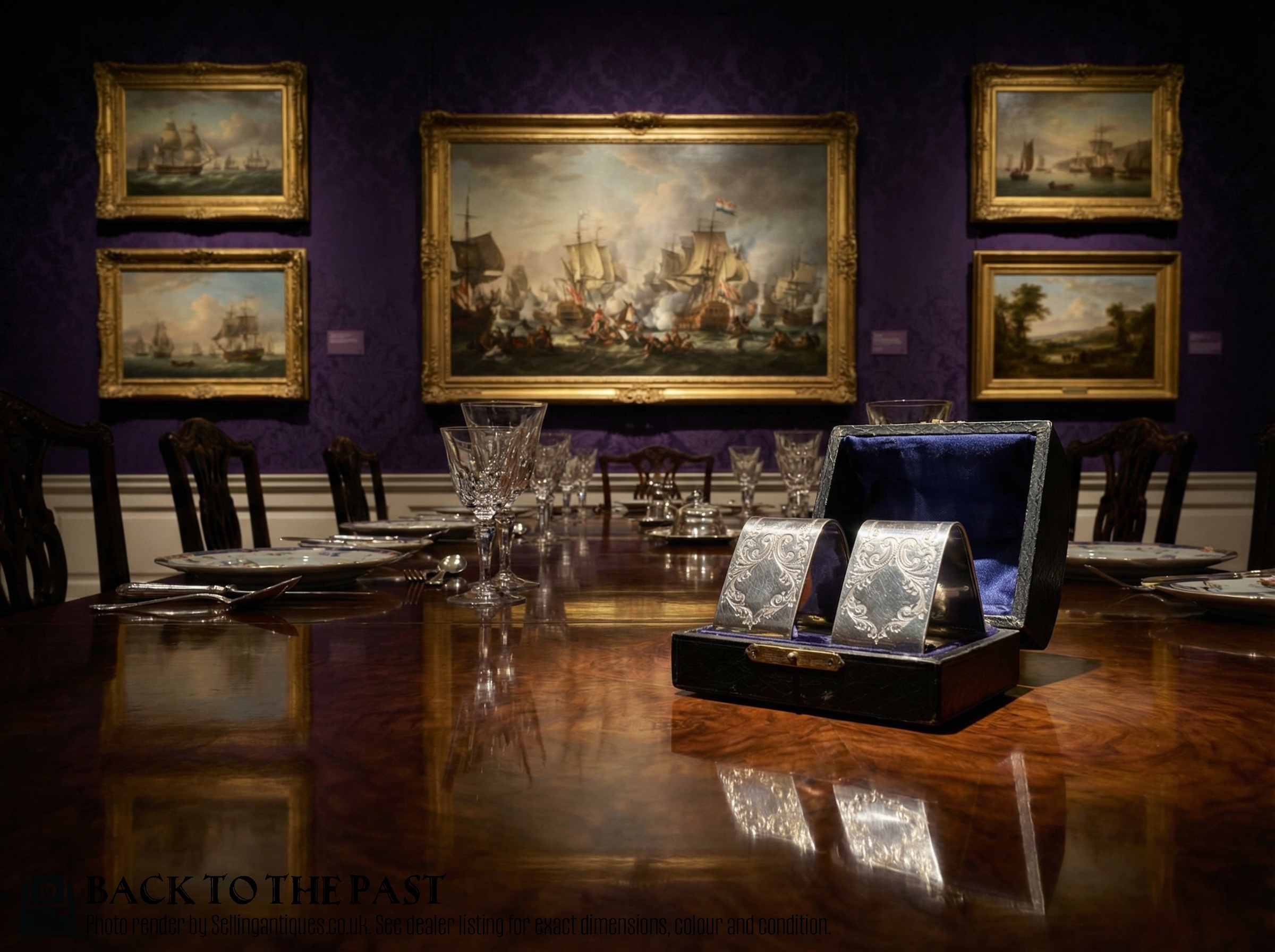
Fitted presentation boxes combine wood foundations lined with velvet, silk and leatherette to securely hold individual pairs or matched sets of six.
Some nineteenth-century diners required numbered rings to prevent domestic confusion over laundry days.
Factors of quality
Quality rests upon the crispness of the chasing, the weight of the silver, and the preservation of any original fitted case. Crisp detailing on figural subjects or belt buckles distinguishes superior pieces from worn examples.
The integrity of the interior lining materials, whether silk, velvet or leatherette, alters the desirability of boxed sets.
The Victorian Napkin Rings Glossary
- Sterling silver
- A silver alloy containing 92.5 percent pure silver by mass, standard for quality British plate and holloware. This material provides the primary metal foundation for the finest Victorian pieces.
- Silver plate
- A layer of silver applied to a base metal core, frequently utilised for matched sets housed in boxes. This technique allowed manufacturers to produce ornate tableware at a lower cost than solid silver.
- Repoussé
- A metalworking technique where the smith pushes the design out from the reverse side by hammering. This method creates the raised floral and fruit patterns seen on ornate napkin rings.
- Christening set
- A matched collection typically comprising a napkin ring and matching cutlery intended as a traditional infant gift. These sets often share hallmarks and fitted presentation boxes.
Victorian Napkin Rings: Frequently Asked Questions
How were Victorian napkin rings used?
Families utilised these rings at the dining table to hold individual cloth napkins between meals. Each household member often had a designated numbered or initialled ring.
They formed part of formal domestic table settings throughout the nineteenth century.
Are most napkin rings sold in boxes?
Many examples survive inside their original fitted presentation boxes lined with silk or velvet. These boxes protected the silver from tarnish and damage.
Pairs and sets of six frequently retain these custom cases.
What are novelty napkin rings?
Novelty examples take whimsical shapes such as belt buckles, figural subjects or angels rather than simple circular bands. Makers produced these variations to appeal to Victorian tastes for decorative novelty.
These pieces often command strong interest from collectors today.
How do I identify the date of a piece?
British silver pieces carry standard hallmarks that indicate the assay office, standard of metal, and the date letter for the specific year of manufacture. Examining these tiny stamped marks provides precise dating.
Unmarked silver plate or wooden variants rely on style and box construction for approximate dating.