


Hallmarked Silver Napkin Rings
Hallmarked silver napkin rings bring personal table markers and boxed sets from the Victorian, Edwardian, and Art Deco periods to modern dining.

Hallmarked Silver Napkin Rings
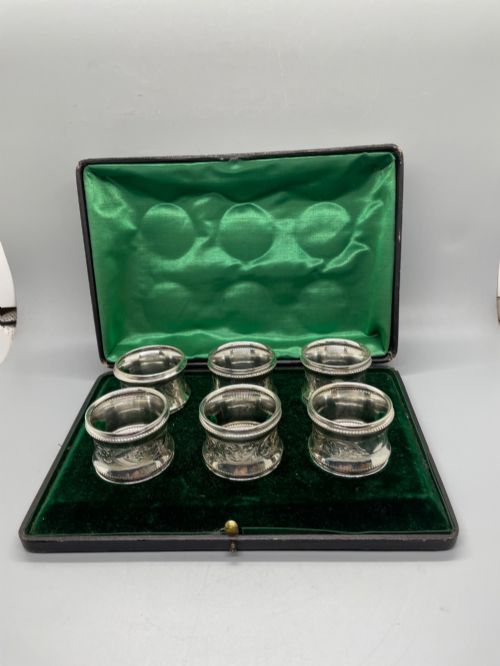
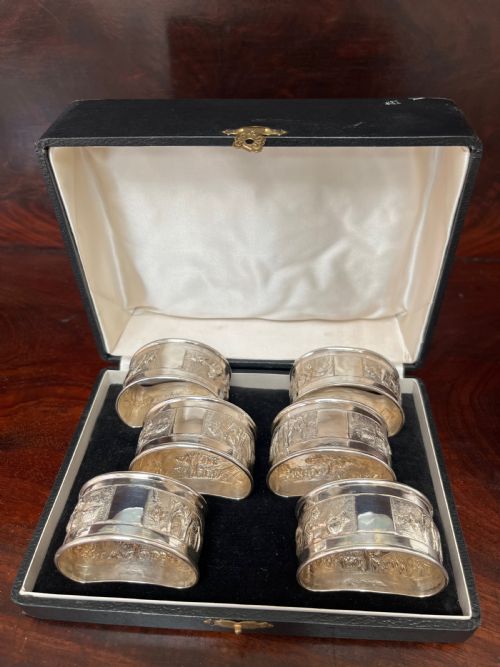
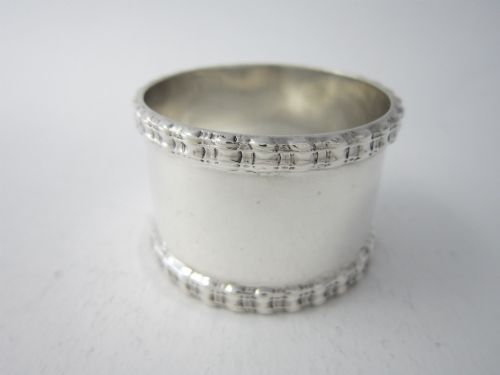
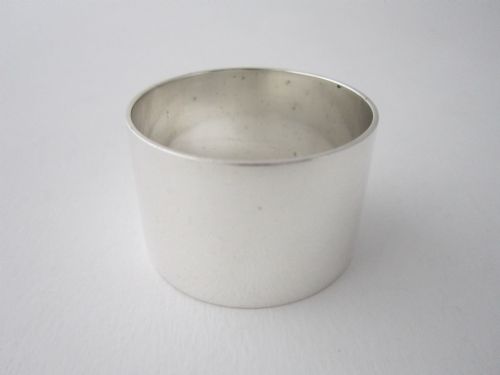
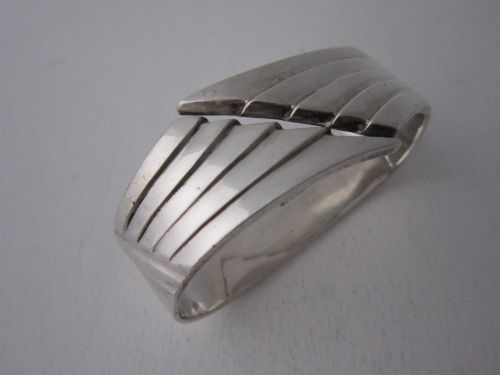
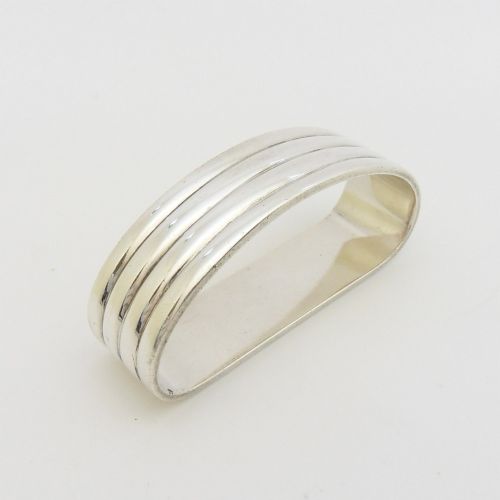
Hallmarked silver napkin rings include individual items, matched pairs, and larger cased sets designed for the dining table. Single examples and pairs date frequently from the George V and Edwardian eras, while larger numbered sets often originate from the Victorian period.
Related christening sets also appear, combining napkin rings with matching silver tableware. These functional objects reflect the shifting domestic habits and silver manufacturing output across the late nineteenth and mid-twentieth centuries.

How they were made
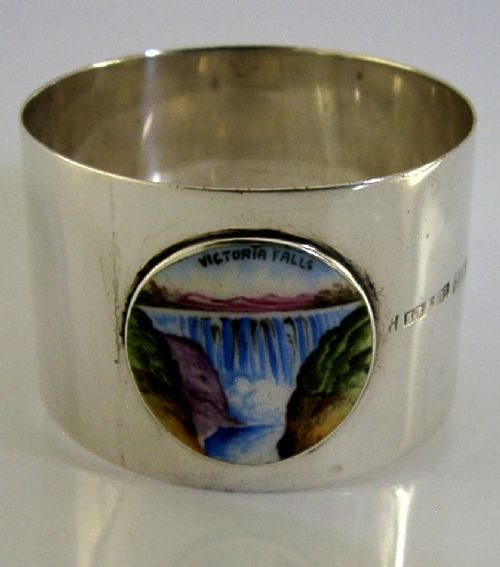
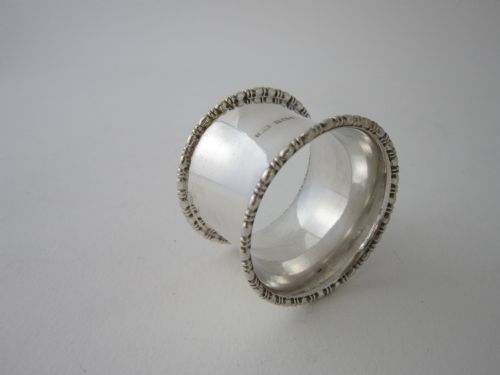
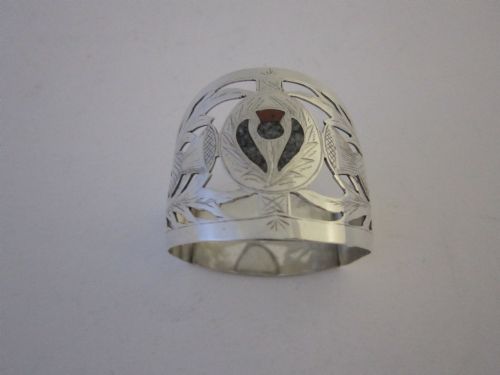
Silversmiths constructed these rings primarily from sterling silver and 800 silver, often shaping sheet metal into hollow cylinders and reinforcing them for daily use. Some specialised examples incorporate materials such as Scottish horn, enamel, or inset agate stones.
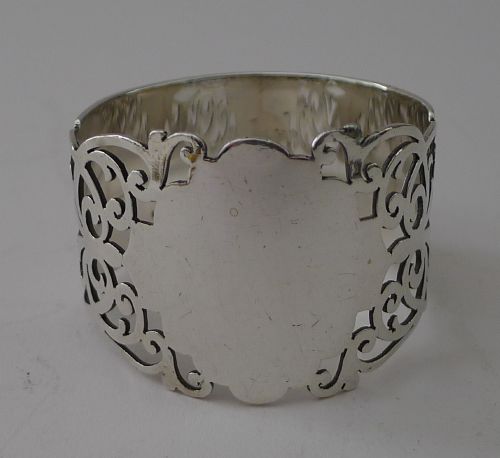
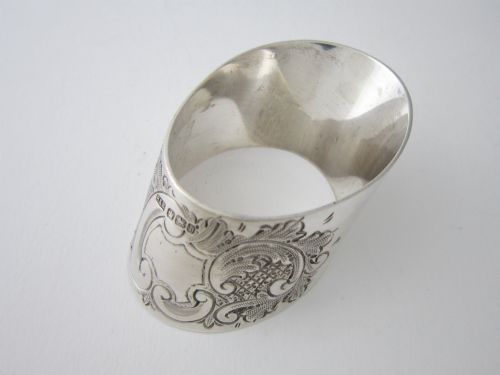
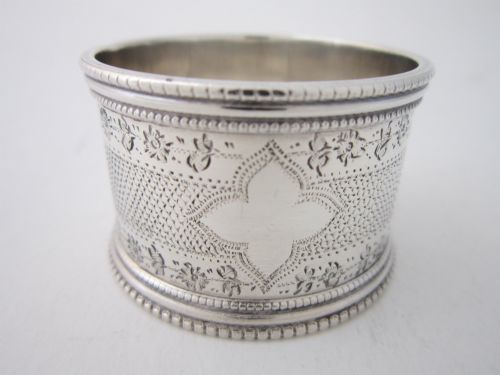
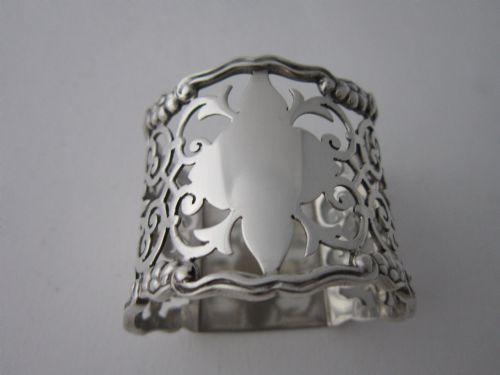
Makers applied surface decoration through hand engraving, pierced scrolling, or cast aesthetic designs. Official assay office hallmarks stamped into the metal verify the silver standard, year of manufacture, and town of origin.
Hallmarked Silver Napkin Rings Retail Price Guide 2026
Typical asking prices for hallmarked silver napkin rings among the pieces listed under this phrase on Sellingantiques today, from the lower quarter to the upper quarter. They describe what is for sale here now, not the wider market.
Among the menagerie of domestic tableware, game birds occasionally stare back from the dining table as solid silver napkin rings.
What varies in quality
Quality rests on the weight of the metal and the crispness of the original hallmarks and decoration. Substantial walls and heavy gauge silver separate utilitarian items from lighter production pieces.
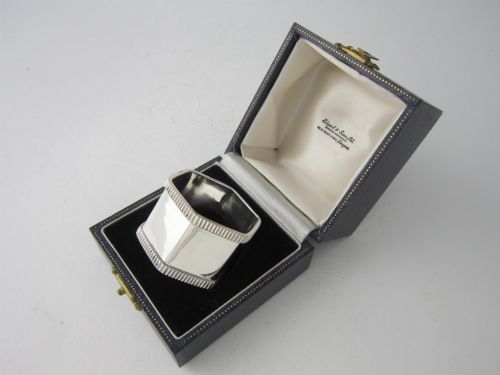
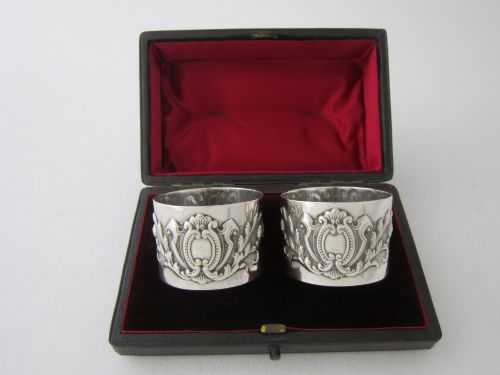
The survival of the original fitted presentation case, whether lined in silk, velvet, or leatherette, elevates a matched pair or set. Distinctive decorative choices, such as game bird motifs, enamel work, or unusual aesthetic designs, elevate standard forms above plain bands.
R. E. Stone·Georg Jensen·C.T. Burrows & Sons·Tiffany & Co·Henry Wilkinson·William Henry Sparrow·George Unite·Robert Pringle
The Hallmarked Silver Napkin Rings Glossary
- Hallmark
- Official marks stamped into silver to indicate the fineness of the metal, the assay office, and the date letter. These stamps provide the primary documentation for dating an antique piece.
- Sterling silver
- A silver alloy containing 92.5 percent pure silver by mass and 7.5 percent other metals, usually copper. This standard dominated British silver production across the Victorian and twentieth-century periods.
- Cased set
- A matched group of napkin rings housed in a fitted box lined with silk, velvet, or leatherette. These original containers protected the silver and facilitated gift-giving.
- Assay office
- A statutory body that tested precious metals and applied official hallmarks. Towns such as Birmingham, Sheffield, London, Chester, and Edinburgh operated distinct offices.
- Christening set
- A matched collection of silver items, including napkin rings, presented to a child on the occasion of a christening. These sets often survive in fitted presentation boxes.
Hallmarked Silver Napkin Rings: Frequently Asked Questions
How do I know the year my napkin ring was made?
British silver incorporates a specific date letter stamp within the official hallmark grouping. Comparing this stamped letter against standard assay office charts reveals the exact year of manufacture.
Additional context sometimes emerges from the style of engraving or the presence of an original fitted presentation case.
Were these items meant for daily use?
Victorian and Edwardian households utilised napkin rings to identify individual linen napkins between laundering sessions. Numbered sets ensured family members or guests retained their specific ring at each meal.
Many examples survive in heavy gauges of silver specifically to withstand regular domestic handling and polishing.
Why do some rings come in fitted boxes?
Original boxes lined with silk, velvet, or leatherette indicate that the napkin rings were retailed as presentation pieces or wedding gifts. Surviving containers often bear the stamp of the original retailer on the inner lid satin.
Pairs and sets found in their original cases generally retain a higher degree of preservation.
What is the difference between sterling and 800 silver?
Sterling silver denotes the British standard of 92.5 percent pure silver, verified by domestic assay office hallmarks. Continental European pieces frequently utilise an 800 silver standard, containing 80 percent pure silver.
Both standards appear across the selections, reflecting different manufacturing origins and export markets.