




Victorian Silver Napkin Rings
Victorian silver napkin rings bring solid craftsmanship and tactile charm to the dining table, often found in fitted cases ready for gifting.

Victorian Silver Napkin Rings
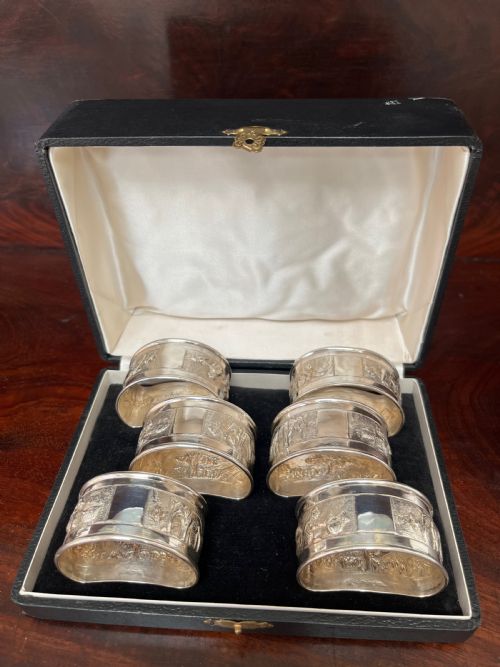
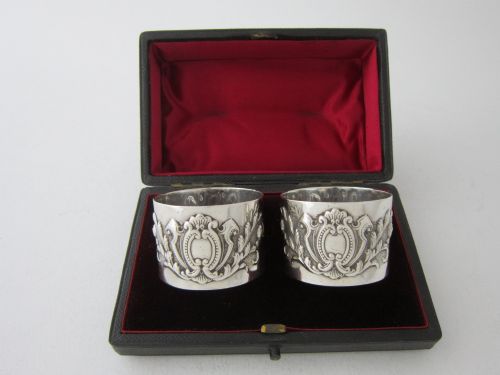
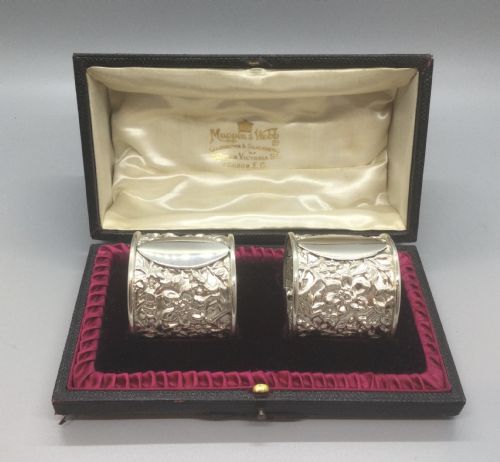
Victorian silver napkin rings are small circular bands designed to identify individual dining linens at the table. You will frequently find these pieces sold in pairs or matched sets of six, often nestled within their original fitted boxes.
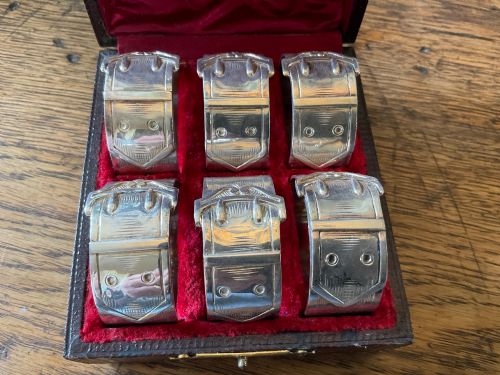
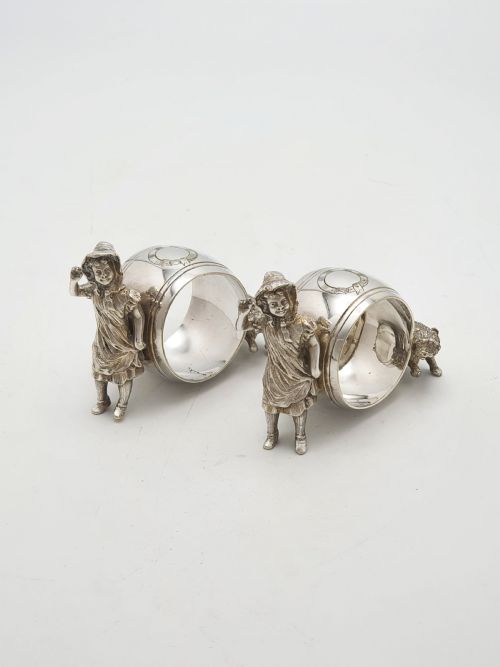
The selections span the late nineteenth century into the Edwardian era, taking the form of plain circular bands, figural motifs, and novelty designs shaped like belt buckles or decorated with vines.
Makers produced these dining accessories in both solid sterling silver and silver plate, sometimes combining them with christening sets that included matching cutlery.
How they were made
Silversmiths constructed these rings primarily from sterling silver or applied silver plating over base metal, utilising stamping, embossing, and chasing techniques to create decorative surface patterns.
Fitted presentation boxes for the sets typically relied on wood covered in leatherette, with interiors lined in silk or velvet to cradle each individual ring securely.
Victorian Silver Napkin Rings Retail Price Guide 2026
Typical asking prices for victorian silver napkin rings among the pieces listed under this phrase on Sellingantiques today, from the lower quarter to the upper quarter. They describe what is for sale here now, not the wider market.
Several sets take the shape of tiny belts, letting diners literally buckle up their napkins before dinner.
What varies in quality
The distinction between standard examples and finer pieces often rests on the weight of the metal and the complexity of the decoration, such as figural castings depicting angels or grape vines.
The survival of the original fitted presentation case, especially those with intact velvet or silk linings and working clasps, elevates the desirability of a set.
The Victorian Silver Napkin Rings Glossary
- Sterling silver
- An alloy consisting of 92.5 percent silver by mass, with the remainder typically copper, used extensively for durable tableware.
- Silver plate
- A layer of silver applied to a base metal core, such as copper or brass, providing the appearance of solid silver at a different cost.
- Hallmark
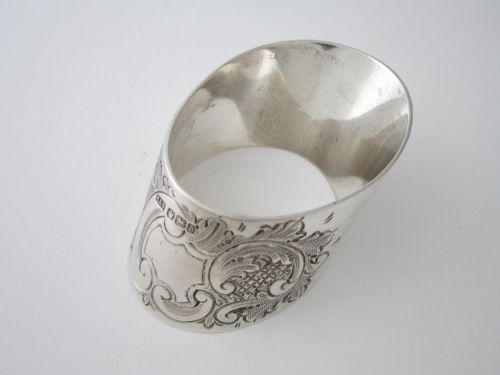
- An official stamp applied by an assay office to indicate the metal purity, place of origin, and year of manufacture.
- Christening set
- A matched group of silver items, often comprising a napkin ring alongside a spoon and fork, given to mark the naming of a child.
- Aesthetic Movement
- A late nineteenth-century design style that emphasised visual beauty over narrative or moral content, frequently appearing on decorated tableware.
Victorian Silver Napkin Rings: Frequently Asked Questions
How were napkin rings used?
These rings marked individual places at family dining tables, allowing households to reuse linen napkins across multiple meals before laundering.
Servants or family members placed the designated ring over each folded napkin prior to the meal.
Are cased sets common?
Many surviving examples remain inside their original fitted presentation boxes, particularly sets numbering four, six, or twelve pieces.
These boxes often feature hinged lids with velvet or silk linings designed to protect the metal from tarnish and scratches.
What is the difference between solid silver and silver plate?
Solid sterling silver rings consist of a regulated high purity alloy throughout the entire thickness of the band. Silver-plated versions utilise a base metal foundation coated with a thin layer of silver.
How can I date my napkin ring?
Dating relies heavily on official hallmarks stamped into the metal, which indicate specific assay offices and year letters. Stylistic clues such as floral chasing or novelty belt buckle shapes also point to late nineteenth-century manufacture.