
Silver Napkin Holders
Silver napkin holders bring proper order to a dining table while offering enduring metalwork from the Victorian and George V periods.
What silver napkin holders are
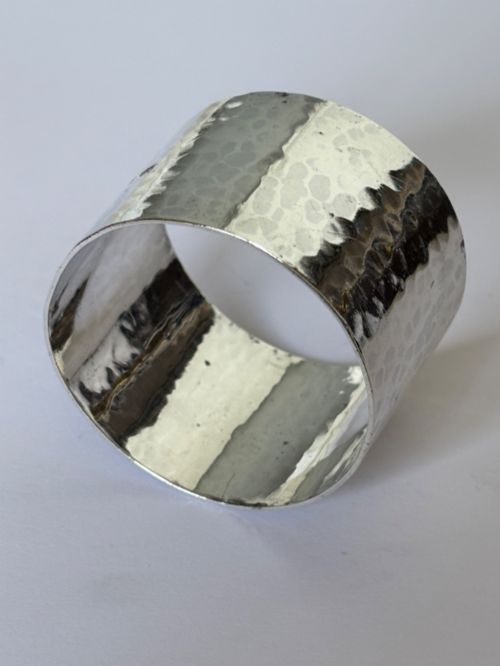
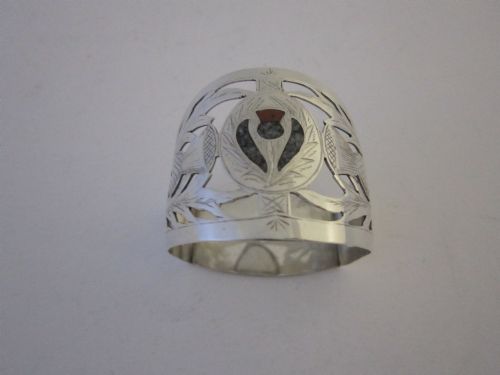
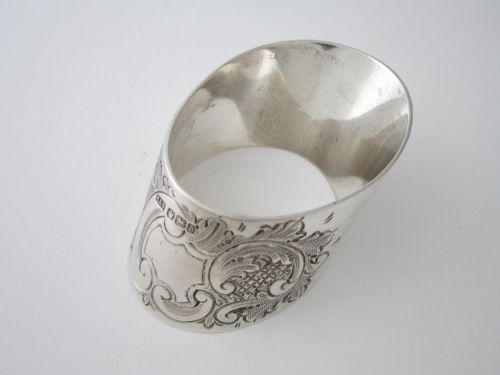
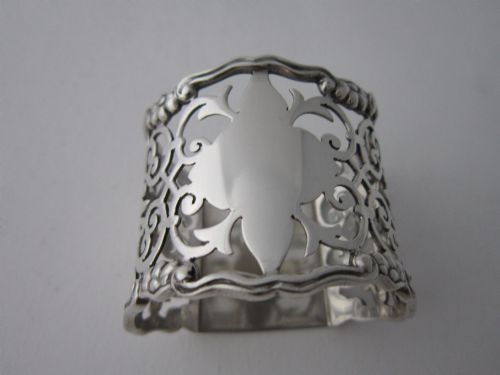
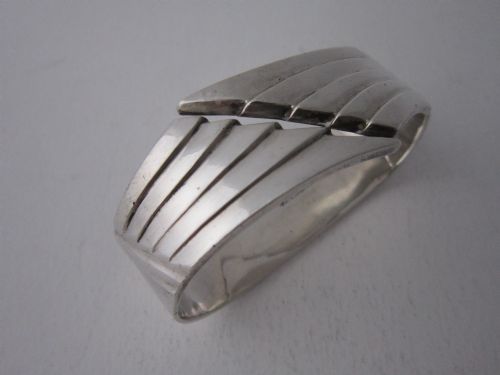
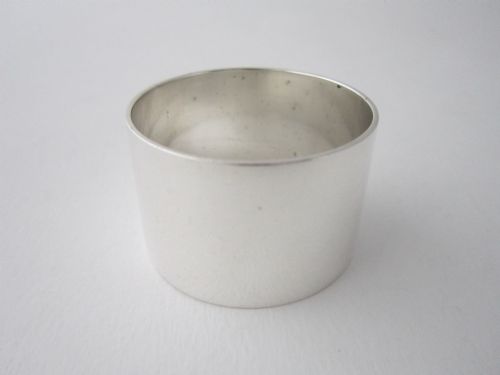
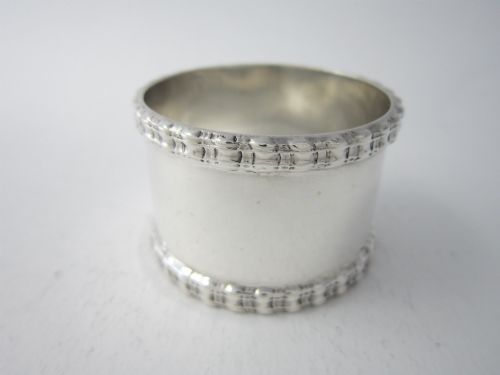
Silver napkin holders appear primarily as individual rings or paired sets designed to keep table linen organised between meals. Most examples seen on this page date from the Victorian period through to the middle of the twentieth century, encompassing the George V reign and decades like the nineteen-thirties.
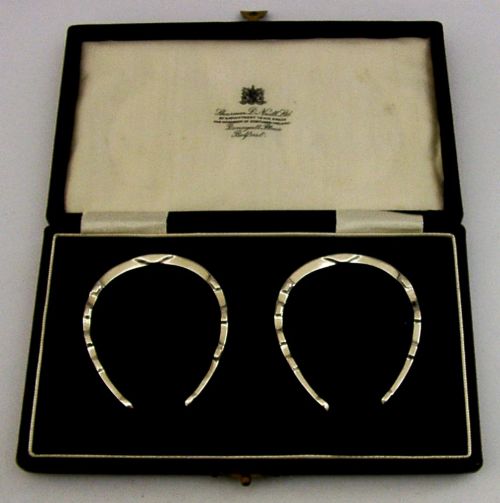
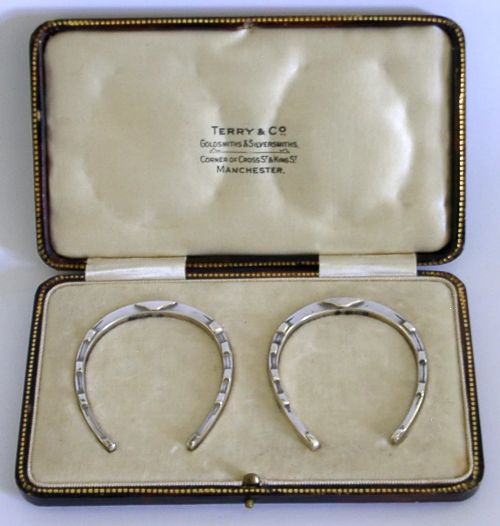
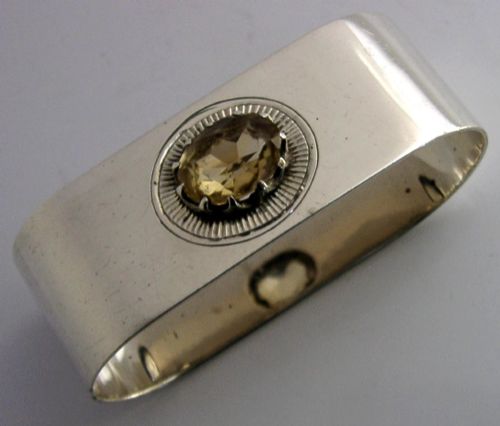
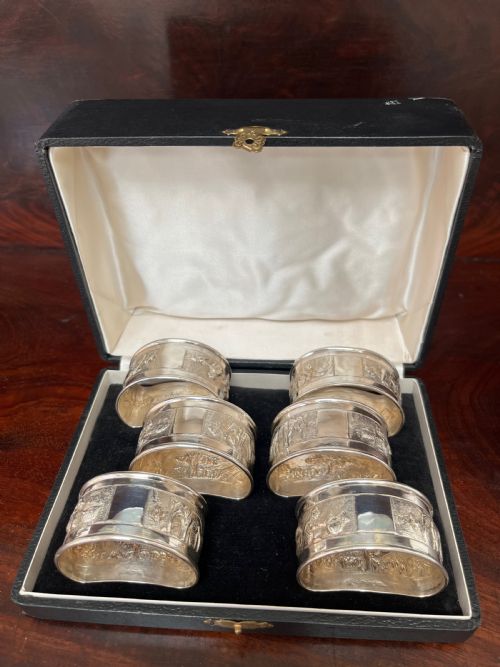
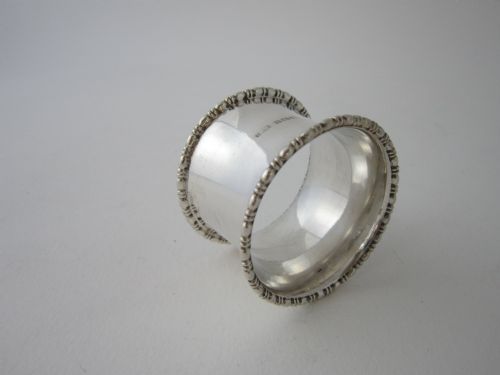
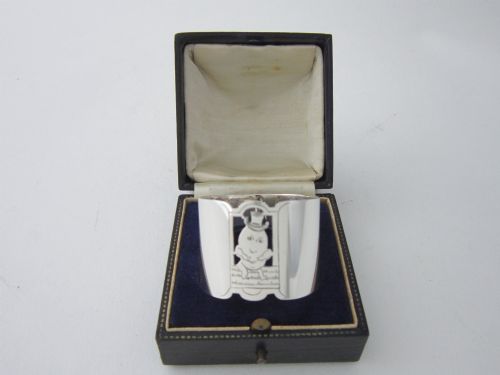
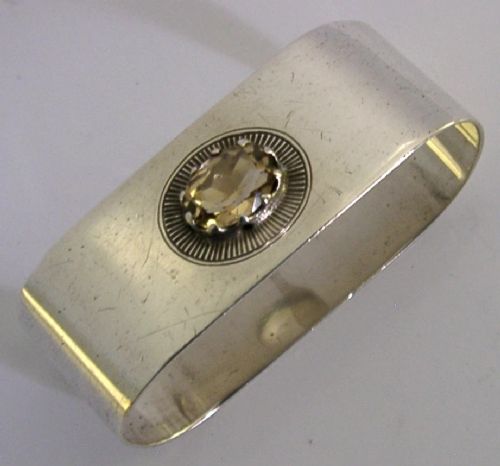
The standard forms include plain circular bands, paired sets, and cased sets numbering four or six pieces. More unusual variations feature aesthetic designs, belt motifs, or integrated name place markers accompanied by horse heads and stirrups.
How they were made
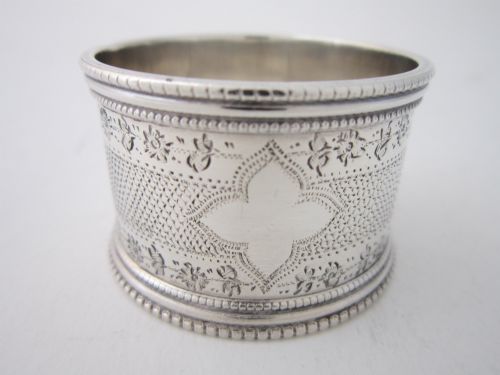
These pieces utilise sterling silver and solid silver, shaped and hallmarked in assay offices such as Birmingham, Sheffield and London. The metal receives surface engraving, aesthetic patterning, or figural attachments depending on the design.
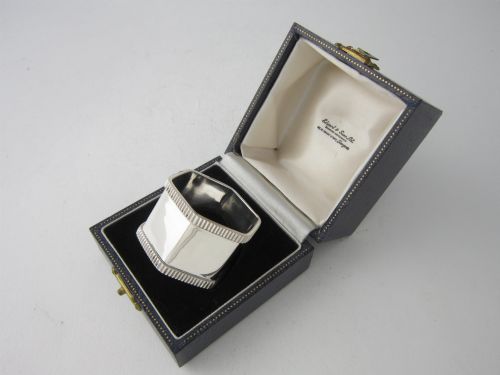
Presentation sets are housed in protective cases lined with materials like silk, velvet, fabric, or leatherette, keeping the silver secure when not in use on the dining table.
Retail Price Guide 2026
Typical UK retail prices for silver napkin holders, calculated from the Sellingantiques database of over a million retail prices indexed since 2003. This retail price guide relies exclusively on Sellingantiques data; no external sources or auction records are used, so the figures do not describe the wider market.
What varies in quality
Quality rests in the weight of the metal and the precision of the hallmark, distinguishing heavy solid silver from lighter gauge alternatives. Maker attribution, such as work by established silversmiths, elevates certain pieces above standard anonymous production.
The complexity of the design also marks distinction, moving from plain bands to detailed aesthetic patterns, figural horse heads, or complete matched cased sets with original fitted storage linings.
Ernest W Haywood·Henry Wilkinson·Sampson Mordan
The Silver Napkin Holders Glossary
- Sterling silver
- A standard alloy consisting of ninety-two point five percent silver by mass, ensuring durability for everyday dining use.
- Hallmark
- A series of official marks stamped on precious metal items, indicating the assay office, standard of purity, and year of manufacture.
- Assay office
- A designated body that tests and marks the purity of precious metal objects, with historic locations including Birmingham, Sheffield and London.
- Cased set
- A matched group of items housed in a fitted presentation box lined with materials such as velvet or silk.
Frequently Asked Questions
How do I clean silver napkin rings?
Use a soft cloth and a specialised silver polish to remove tarnish without damaging engraved details or hallmarks.
Avoid abrasive materials that can scratch the surface of the sterling silver over time.
Are these napkin rings solid silver?
The listings on this page consist of sterling silver and solid silver pieces marked by British assay offices.
Check the individual item descriptions for specific hallmark details regarding the metal standard.
How many napkin rings come in a set?
Sets on this page commonly appear as pairs, groups of four, or cased sets containing six rings.
Some specialised sets also include integrated name place markers for table settings.
What periods do these napkin rings represent?
The selection spans from Victorian pieces dating to the late nineteenth century through to twentieth-century George V and later decades up to nineteen-fifty.
Each period brings distinct manufacturing styles, from aesthetic designs to simpler mid-century forms.