
Antique Silver Napkin Rings
When you handle antique silver napkin rings, you hold small pieces of dining history that bring genuine character to a table.
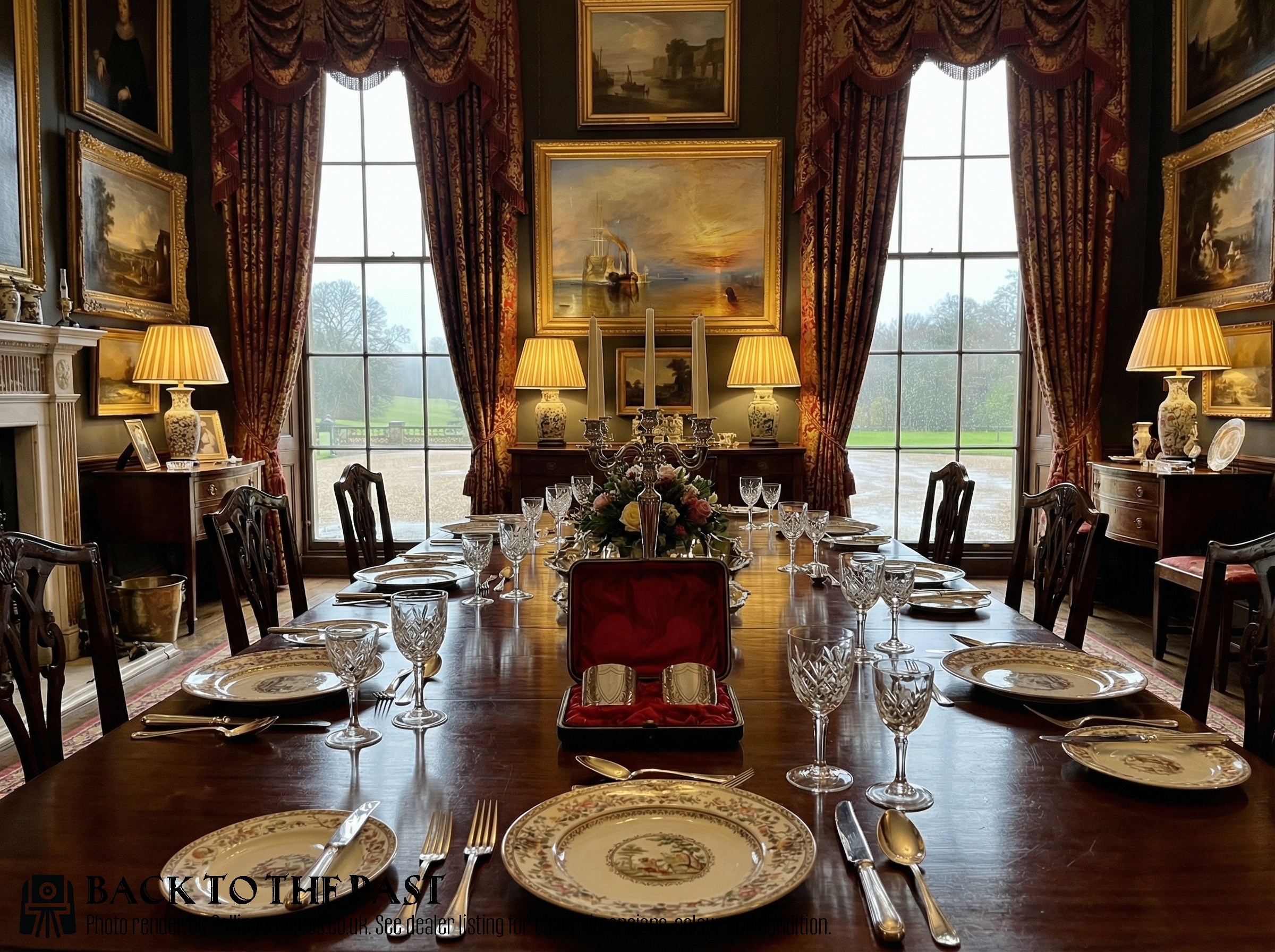
Antique Silver Napkin Rings
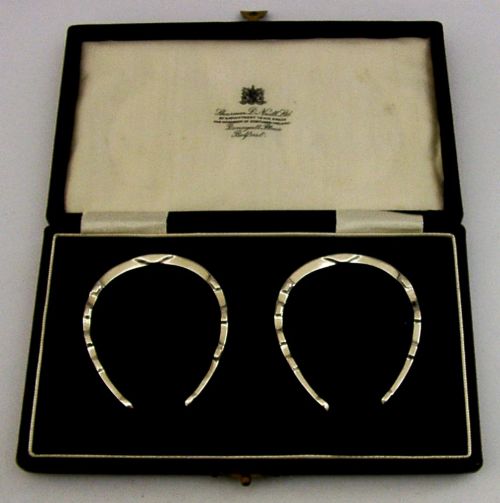
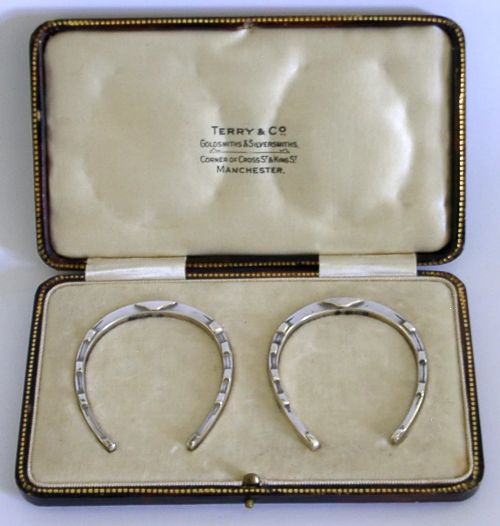
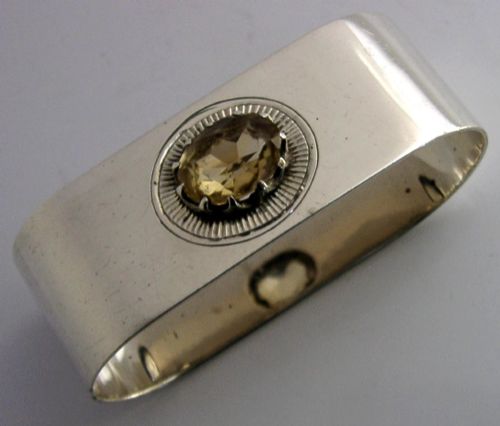
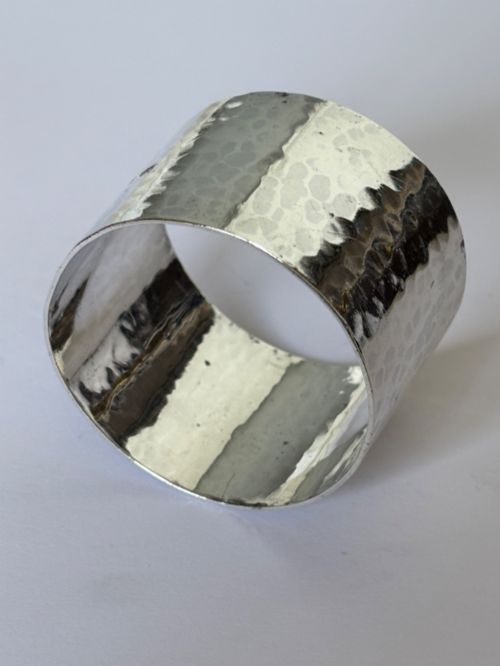
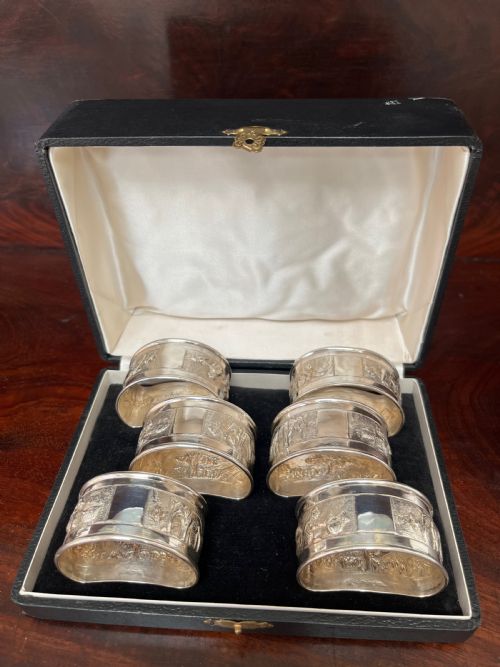
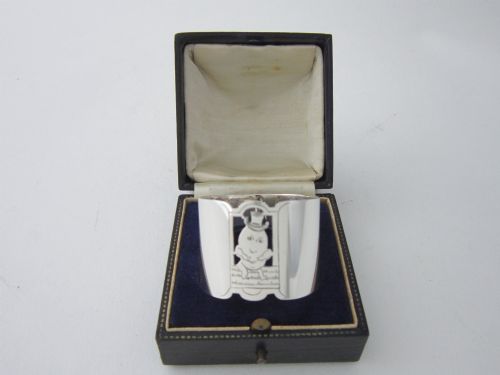
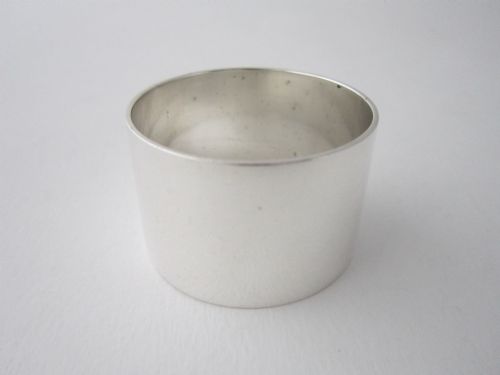
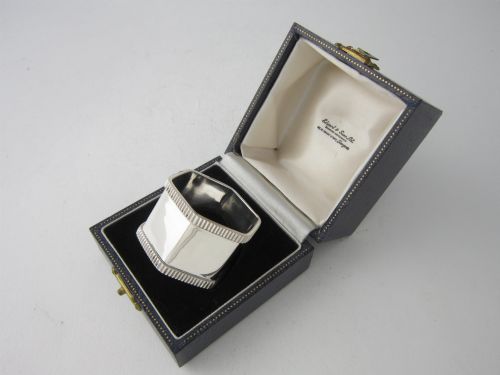
When buyers search for antique silver napkin rings, they look for small circular bands designed to identify individual dining linens at the table. These domestic items appear frequently in sets of four or six, often preserved alongside their original fitted presentation cases lined with silk, velvet, or leatherette.
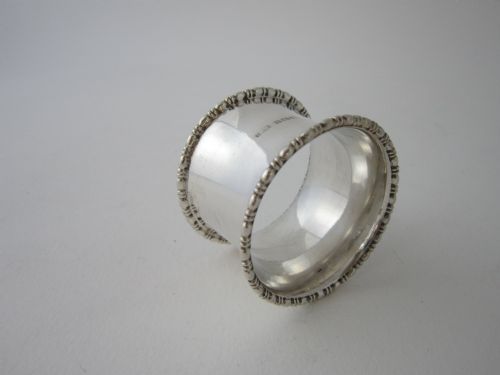
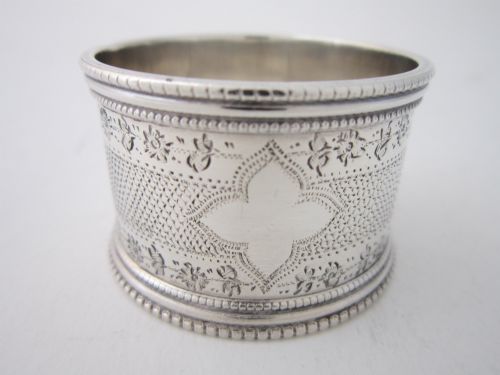
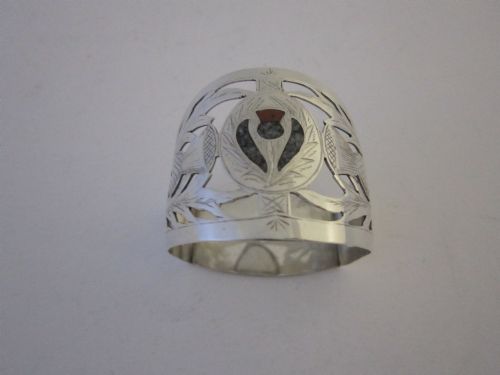
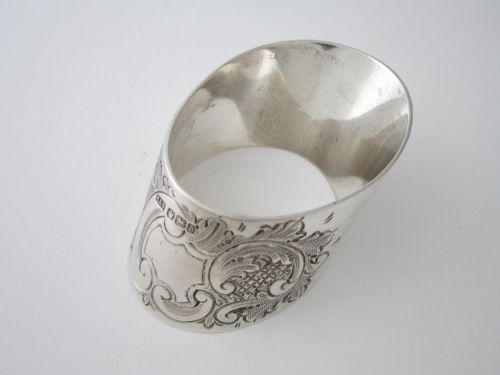
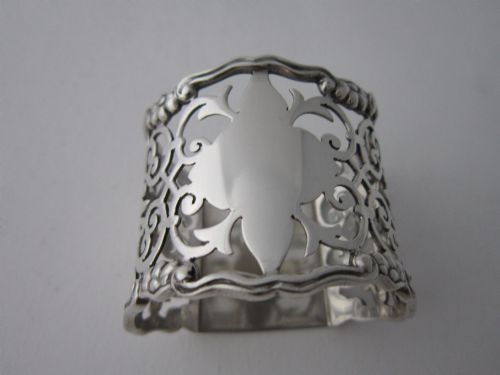
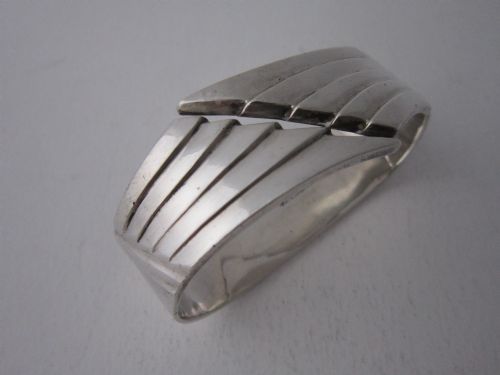
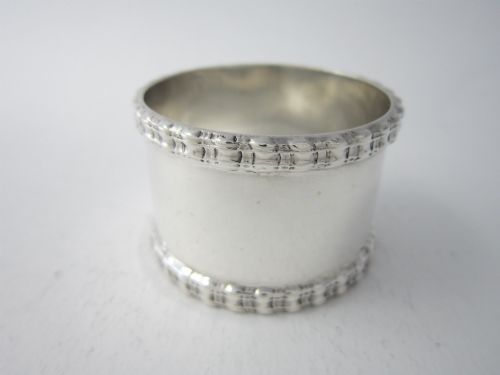
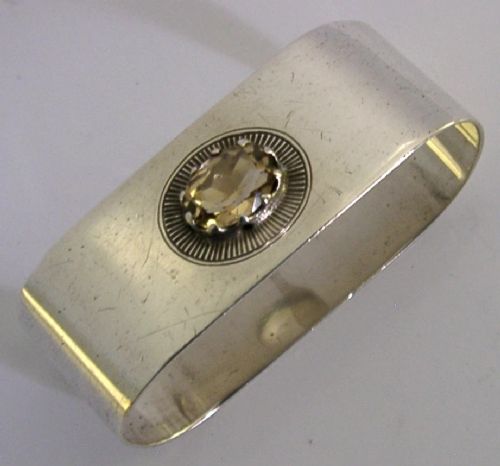
The pieces on this page span the Victorian, Edwardian, George V, and Art Deco periods, reaching back into the late nineteenth century and forward into the 1930s. Plain circular bands, engine-turned geometric patterns, pierced metalwork, and embossed grape and vine motifs represent the principal forms available.
Collectors encounter sterling silver and silver plate constructions originating from English assay offices, including Birmingham and Glasgow. Single pairs and larger matched sets of six or twelve items appear regularly across the archive and current listings.
Materials and Construction
Silversmiths formed these rings using solid sterling silver or applied silver plate over a base metal core. Many items received decorative detailing through engine turning, piercing, or applied cast motifs such as angels and fruit clusters.
Sets intended for formal dining often received numerical stamping to correspond with specific family members or guests at the table. Presentation boxes were tailored specifically for each set, utilising internal slots lined with silk or velvet to secure the rings.
Retail Price Guide 2026
Typical UK retail prices for silver napkin rings, calculated from the Sellingantiques database of over a million retail prices indexed since 2003. This retail price guide relies exclusively on Sellingantiques data; no external sources or auction records are used, so the figures do not describe the wider market.
Dining rooms of the past relied on numbered silver rings so nobody accidentally used their neighbour's napkin.
Assessing the Pieces
Quality rests upon the weight of the metal and the crispness of any engraved or pierced decoration. Thicker sterling silver walls maintain their structural integrity better over decades of handling and polishing.
The preservation of the original fitted case significantly elevates an ensemble. Cases with intact silk linings, functional hinges, and sound leatherette or fabric exteriors demonstrate careful historical storage.
Asprey & Co.
The Antique Silver Napkin Rings Glossary
- Sterling silver
- A standard alloy consisting of ninety-two point five percent silver and seven point five percent other metals, typically copper.
- Silver plate
- A manufacturing method where a thin layer of silver is bonded to a base metal substrate, seen frequently in nineteenth and twentieth-century dining sets.
- Engine turned
- A mechanical decoration technique that cuts intricate, precise geometric patterns into the metal surface.
- Pierced
- A decorative technique involving the cutting or piercing of openwork designs through the silver wall.
- Assay office
- An official body that tests the purity of precious metals and stamps items with hallmarks, such as the marks for Birmingham or Glasgow.
Frequently Asked Questions
How were napkin rings used?
Napkin rings were used in homes to keep cloth napkins organised and identifiable between laundering sessions at the family dining table.
Each diner at the household was assigned a specific ring, often numbered or engraved with initials, ensuring their napkin remained distinct until the next meal.
Why do some sets have numbers?
Numbered napkin rings helped Victorian and Edwardian households keep track of whose linen was whose during busy family dining routines.
Matching numbers stamped on the rings corresponded with seating arrangements or household rosters.
How do I care for antique silver?
Silver pieces require occasional gentle cleaning with a specialist cloth to maintain their natural shine without removing the underlying hallmarks or detail.
Storing them in their original fitted cases protects the metal from airborne tarnish and safeguards the delicate silk or velvet interiors.
Can I mix different styles at the table?
Mixing different styles allows collectors to build eclectic dining settings that combine Victorian embossed motifs with clean Art Deco geometric lines.
Many buyers begin with a matched pair and gradually add single rings or smaller sets collected over time.