

Edwardian Sterling Silver Set
An edwardian sterling silver set brings dining tables and dressing furniture from the early twentieth century into everyday service with matched refinement.
Edwardian Sterling Silver Set
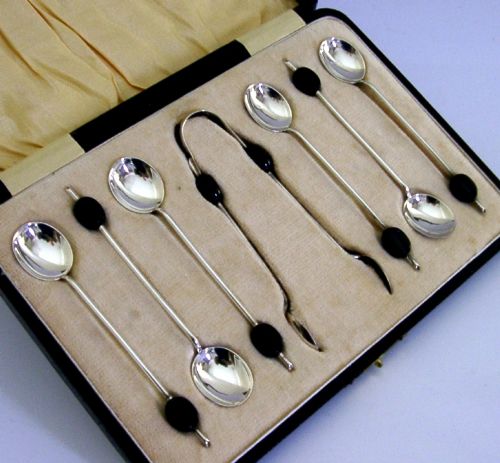
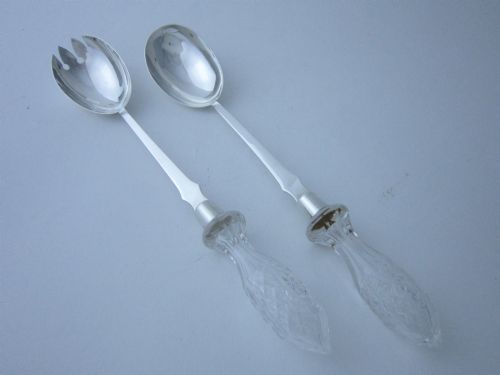
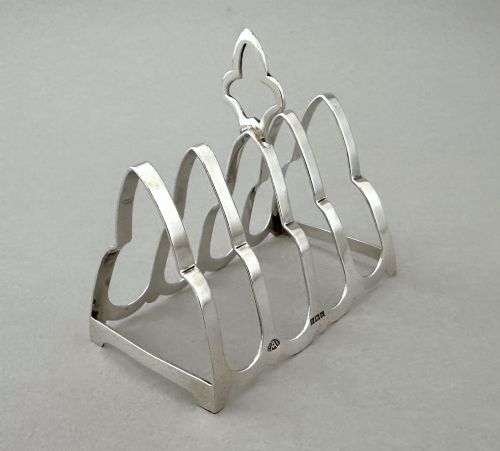
An edwardian sterling silver set comprises matched collections spanning cruet vessels, napkin rings, cutlery services, and tea or coffee components. Most examples on this page date directly to the reign of Edward VII or the surrounding decades of the early twentieth century.
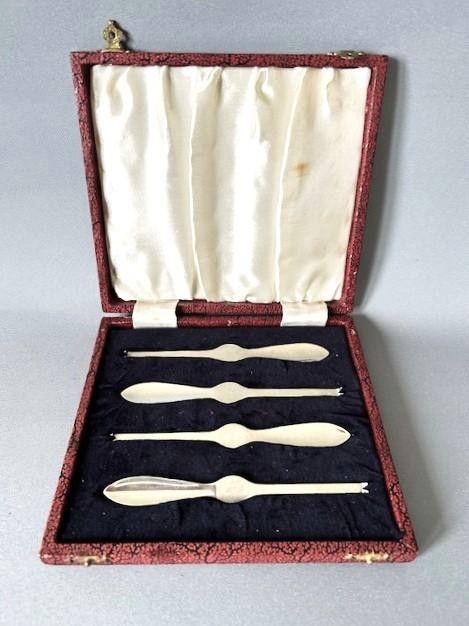
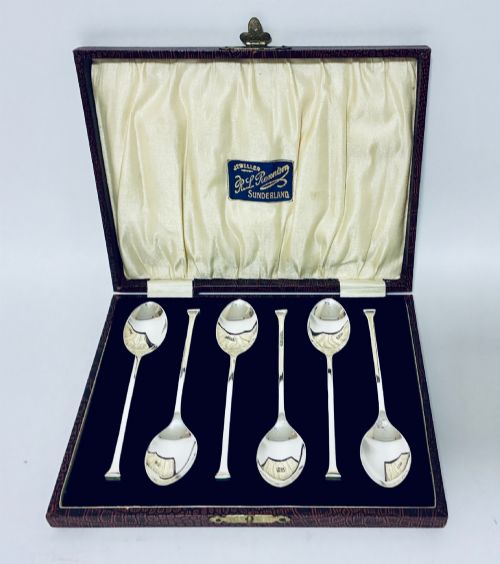
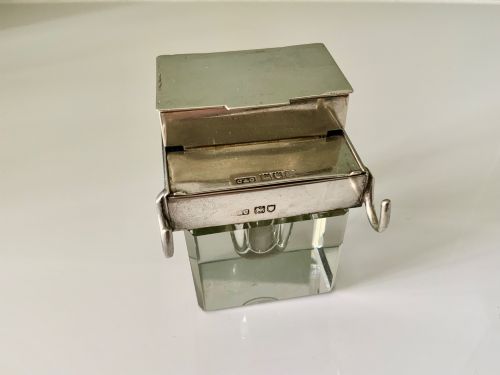
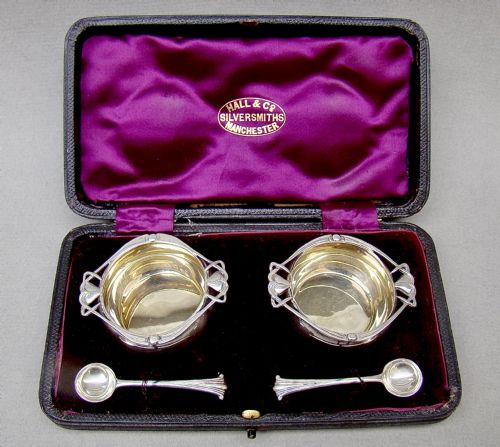
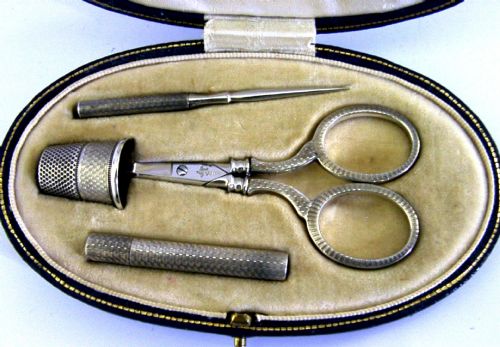
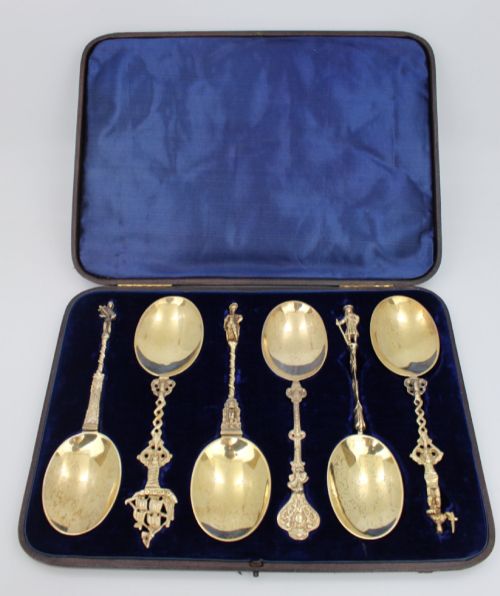
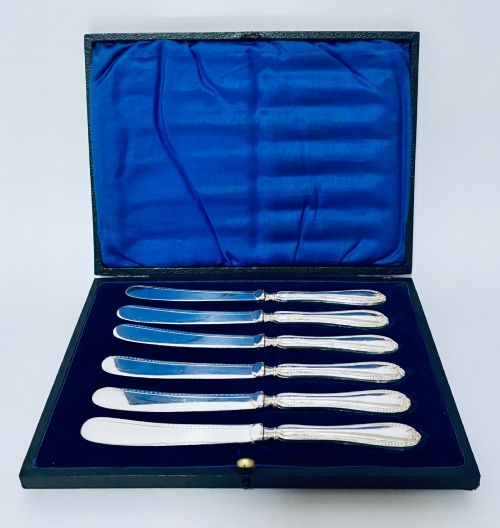
Forms range from small fitted cases containing apostle spoons or button hooks to larger bachelor tea sets and egg cruets. Many survive in their original velvet or silk-lined presentation boxes, preserving the complete grouping as intended by the retailer.
Materials and construction
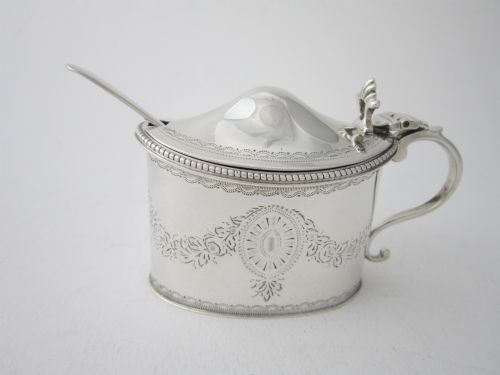
The primary material is sterling silver, frequently paired with natural elements such as mother-of-pearl handles on dessert cutlery and glass inserts within mustard pots or cruet frames.
Interiors of fitted presentation cases utilise leatherette, silk, or velvet linings to protect the silver components from tarnishing and abrasion during storage.
Edwardian Sterling Silver Set Retail Price Guide 2026
Typical asking prices for edwardian sterling silver set among the pieces listed under this phrase on Sellingantiques today, from the lower quarter to the upper quarter. They describe what is for sale here now, not the wider market.
Some sets included miniature silver travel medical kits so Edwardian gentlemen could treat unexpected ailments while away from home.
Factors determining quality
Distinction in an edwardian sterling silver set rests on the crispness of hallmarks, the weight of the metal, and the integrity of any associated fitted presentation case.
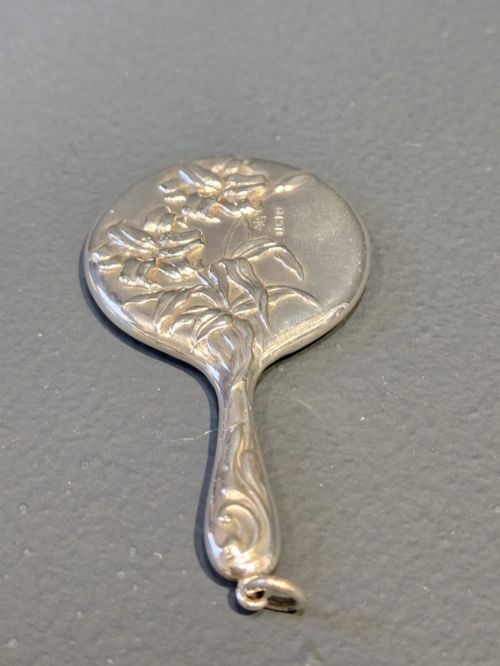
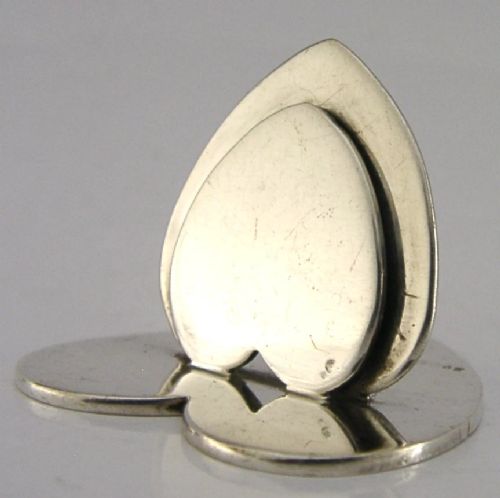
Sets featuring specialised or figural elements, such as place card holders or novelty pepper pots, demonstrate higher artisan engagement than standard utilitarian cruets.
Levi & Salaman·Goldsmiths & Silversmiths·Hamilton & Inches·C.T. Burrows & Sons·Charles Boyton·Mappin & Webb·Walker & Hall
The Edwardian Sterling Silver Set Glossary
- Sterling silver
- A silver alloy containing 92.5 percent pure silver and 7.5 percent other metals, usually copper, ensuring structural durability for domestic objects.
- Cruet set
- A matched group of small containers designed to hold condiments like salt, mustard, pepper, and vinegar for table service.
- Hallmark
- An official stamp applied by an assay office to indicate the purity of the metal, the maker, and the year of production.
- Vesta case
- A small pocket box engineered to hold matches, frequently decorated with engravings or repoussé work matching a broader desk or pocket set.
- Rat tail
- A strengthening tongue of metal on the reverse of a spoon bowl, derived from earlier cutlery traditions and continued into later sets.
Edwardian Sterling Silver Set: Frequently Asked Questions
What is included in an edwardian sterling silver set?
These sets encompass various grouped items, from matched napkin rings and teaspoons to complete tea services and egg cruets. They were produced for specific dining, desk, or travelling functions.
Many survive alongside their original fitted presentation cases lined in silk or velvet. The contents reflect the formal domestic requirements of the early twentieth century.
How do I clean tarnished silver components?
Silver naturally oxidises when exposed to the air, developing a dark patina over time. Regular gentle dusting with a soft cloth prevents heavy accumulation.
For deeper cleaning, use a dedicated silver polish applied with minimal pressure to preserve delicate hallmarks and engraved details. Avoid harsh chemical dips that strip away desirable historical surface character.
How can I date an edwardian sterling silver set?
Dating relies primarily on the stamped hallmarks found on the metal components. These marks typically include a standard purity symbol, an assay office city mark, and a specific date letter.
Comparing the style against known production periods helps confirm the era. Many fitted sets also retain retailer signatures inside the presentation box lid.
Were these sets intended for daily use?
While many pieces were designed for special dining occasions or hospitality, others served practical daily functions such as serving utensils and desk accessories.
Today, collectors both display cased sets and integrate functional pieces like napkin rings and flatware into modern dining routines.