
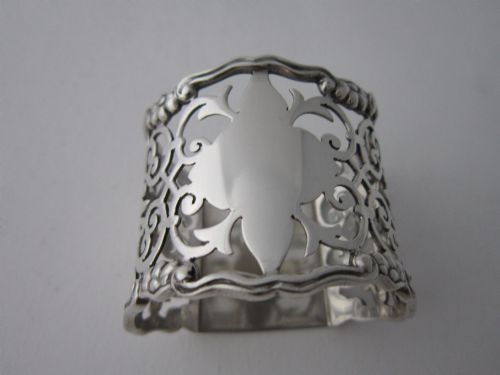
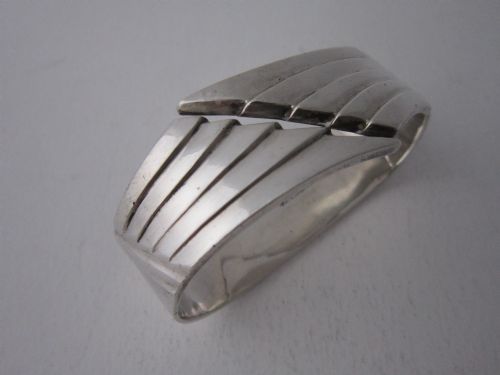
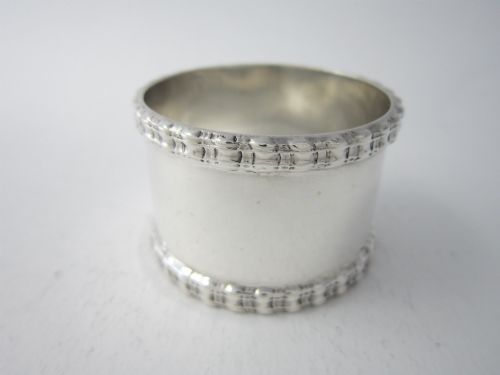
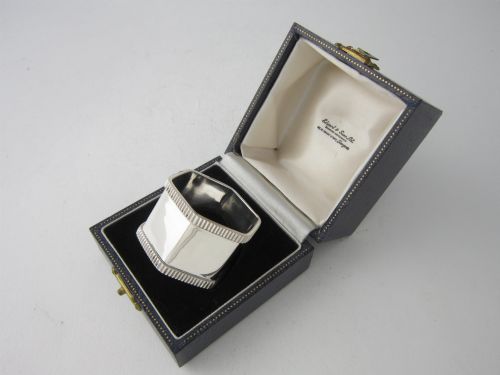
Vintage Silver Serviette Ring
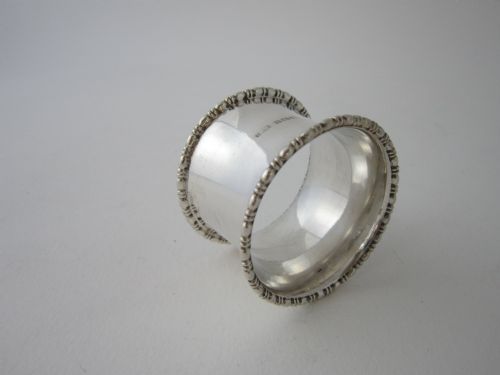
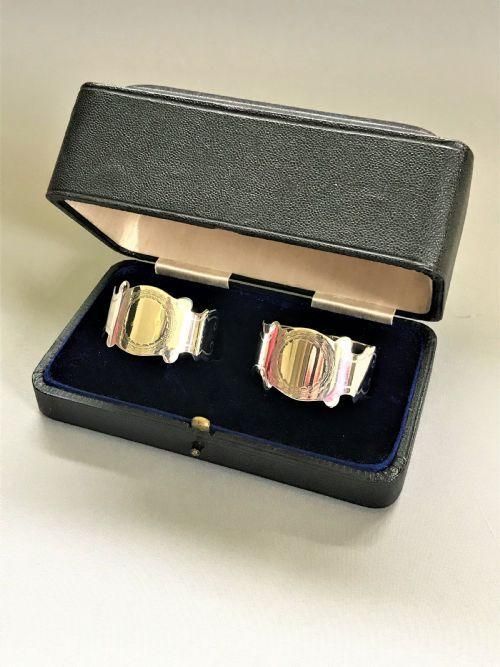
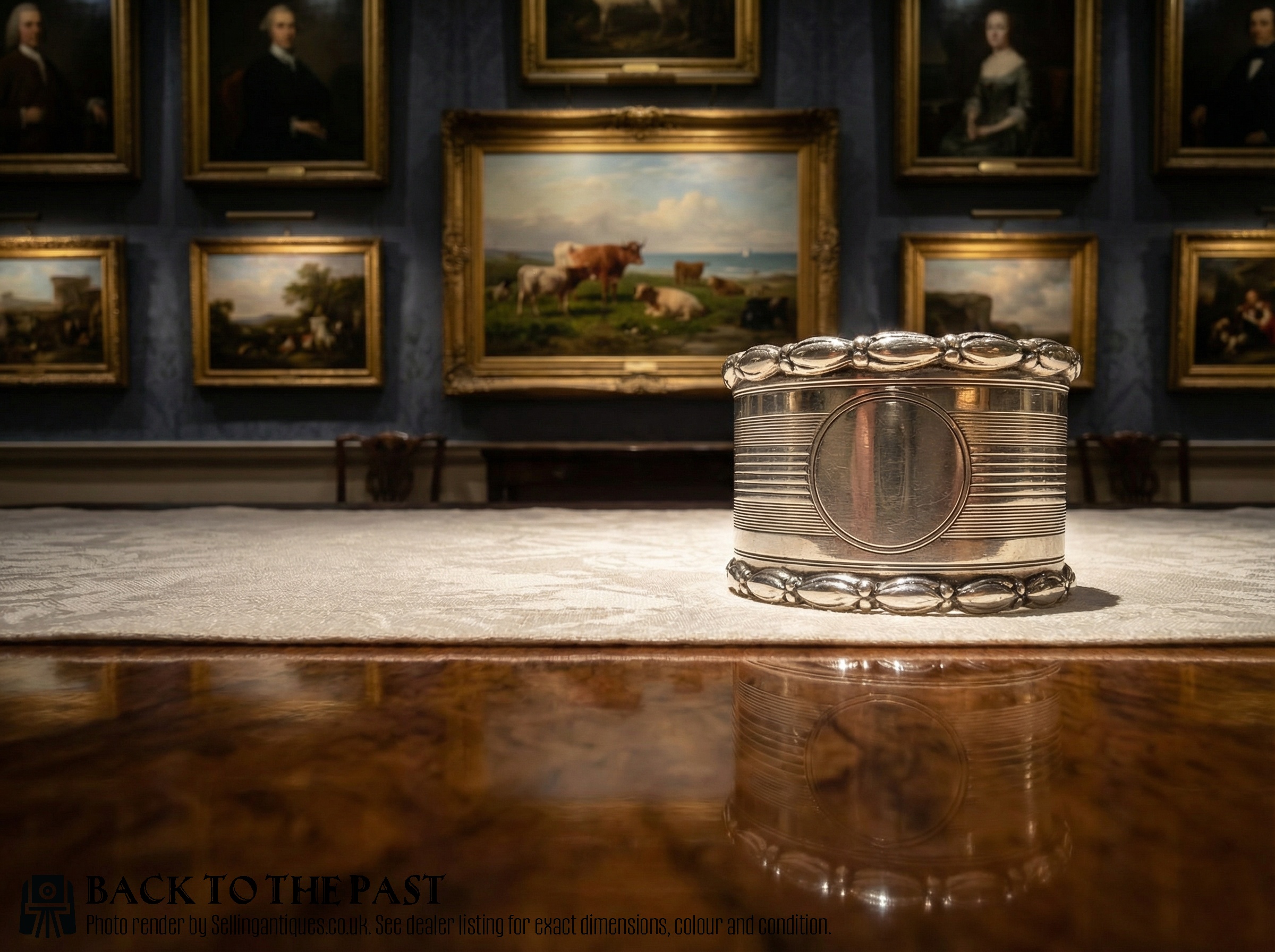
A vintage silver serviette ring brings polished character to the dining table, offering solid sterling construction designed for daily use.
Understanding the Pieces
When you search for a vintage silver serviette ring, you encounter solid sterling items spanning the George V era through the mid-century period. The selections here include George V examples from the nineteen-teens and twenties, alongside post-war pieces from the nineteen-forties and fifties.
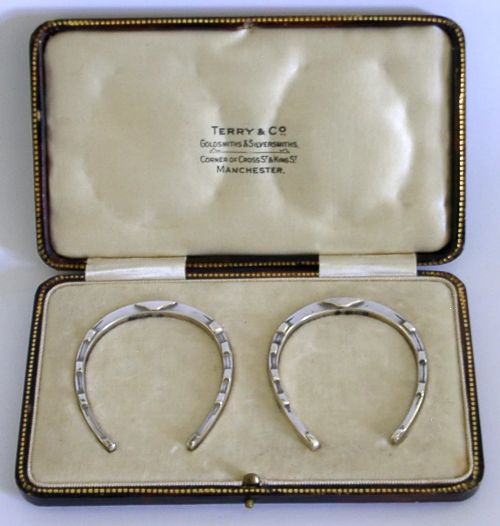
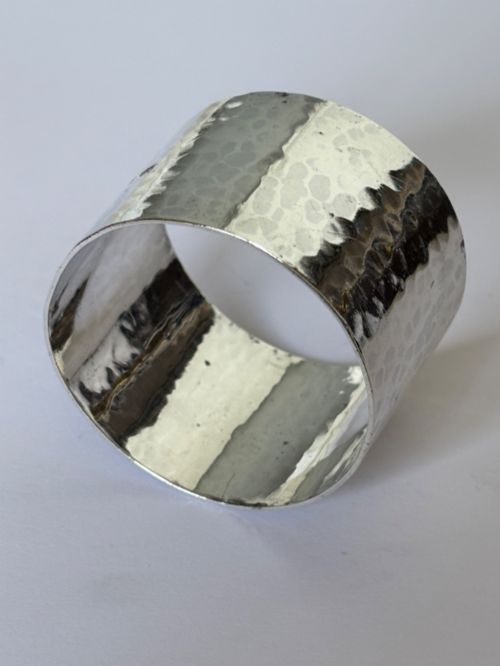
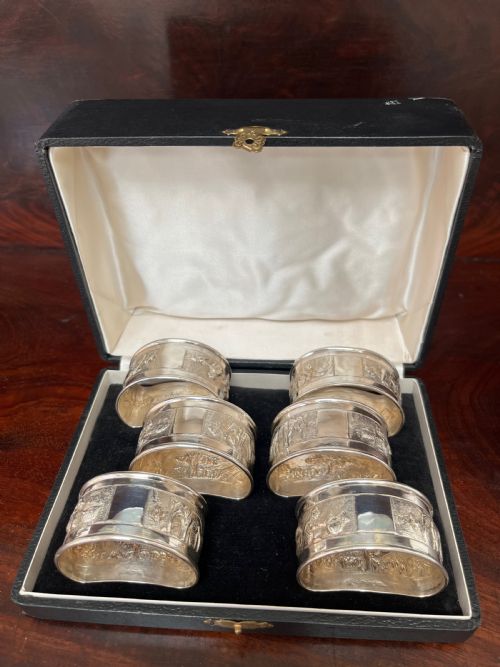
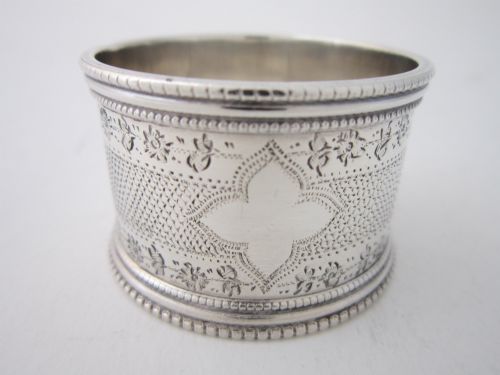
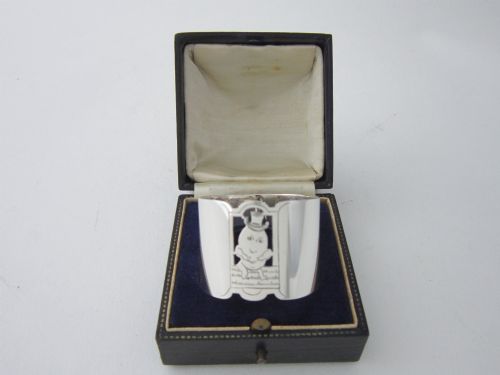
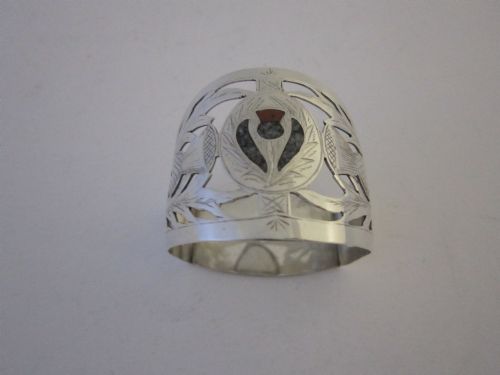
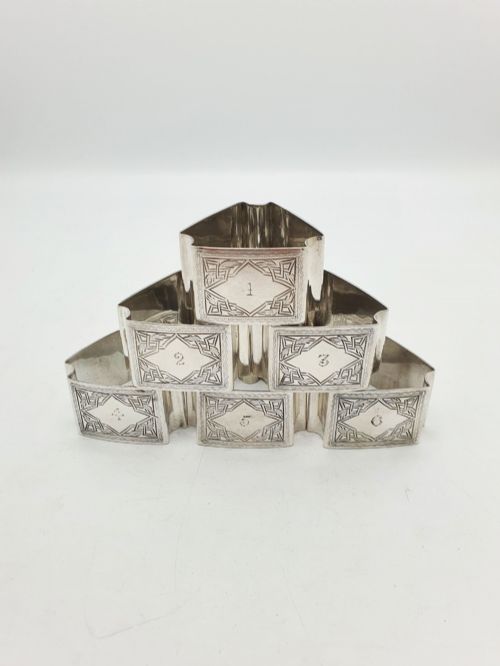
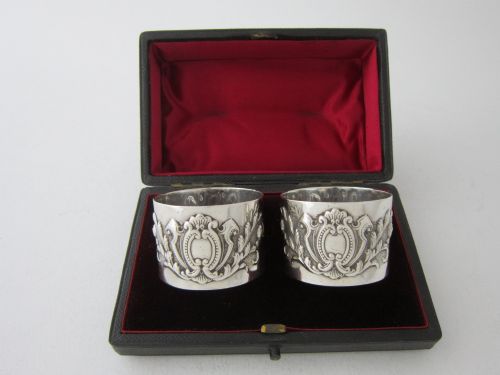
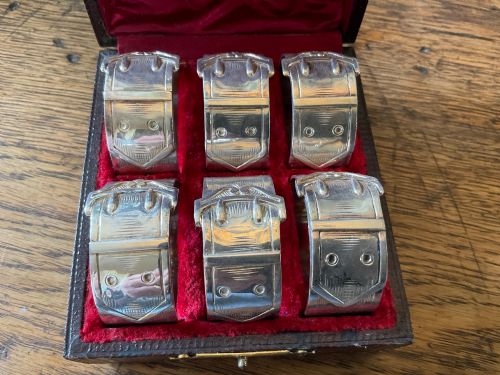
The dominant forms on this page range from hammered Arts and Crafts styles to engraved mid-century designs and novelty napkin rings. Birmingham hallmarking appears frequently among these pieces, alongside distinguished maker marks from the early twentieth century onwards.
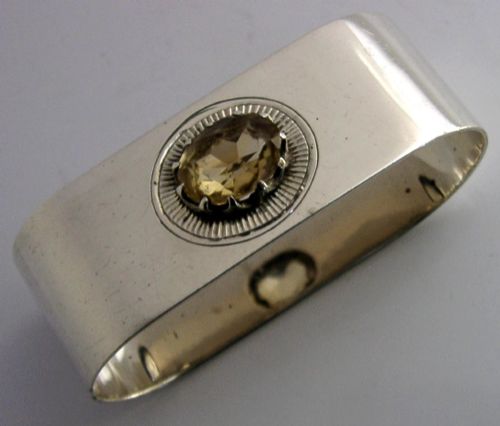
Buyers most often meet traditional circular bands featuring vacant cartouches ready for personal engraving. These table accessories reflect distinct shifts in design across four decades of British and Scandinavian silver production.
Materials and Construction
Every piece recorded here utilises solid sterling silver, providing a durable and lustrous foundation for the silversmith's work. Artisans shaped these rings from sheet metal, joining the seams securely before applying surface decoration.
Techniques vary from hand-hammered texturing associated with the Arts and Crafts movement to precise all-over machine or hand engraving. Maker stamps, date letters, and sterling hallmarks are punched directly into the metal to verify origin and purity.
Retail Price Guide 2026
Typical UK retail prices for vintage silver serviette ring, calculated from the Sellingantiques database of over a million retail prices indexed since 2003. This retail price guide relies exclusively on Sellingantiques data; no external sources or auction records are used, so the figures do not describe the wider market.
Assessing Quality
Quality in a sterling silver serviette ring rests upon the weight of the metal and the crispness of the maker's mark. Thicker gauge silver resists denting and maintains its structural integrity through generations of handling.
The distinction between standard production items and superior pieces lies in the hand-work, such as deep-relief hammering or intricate surface engraving. Clear, legible hallmarks and untouched vacant cartouches elevate the standing of an individual ring.
ALBERT EDWARD JONES·Georg Jensen
The Vintage Silver Serviette Ring Glossary
- Sterling silver
- An alloy containing ninety-two point five percent silver by mass, with the remainder consisting of copper or other metals. This standard guarantees the durability required for functional tableware.
- Hallmark
- An official stamp applied by an assay office to indicate the metal purity, the maker, and the year of manufacture. British marks typically include a lion passant and a date letter.
- Cartouche
- An ornamental frame or panel on the surface of the ring left blank for a monogram or crest. These shields or ovals define the focal point of traditional napkin rings.
- Novelty napkin ring
- A shaped or figurative silver piece designed to resemble an animal, object, or character rather than a simple band. These whimsical forms appeal to specialised collectors.
Frequently Asked Questions
What is a serviette ring?
A serviette ring is a small circular band used at the dining table to identify and store an individual's cloth napkin between meals.
Originating in Europe, these silver items became standard dining accessories during the nineteenth and twentieth centuries.
How do I date a silver ring?
You date a British silver ring by reading the official hallmarks stamped into the metal, which include a specific date letter.
Comparing this letter against standard assay office charts reveals the exact year the piece was tested and marked.
Can I polish vintage silver?
You can maintain the shine of vintage silver using a dedicated soft polishing cloth formulated for precious metals.
Avoid abrasive cleaners that can wear away crisp hallmarks, hand engraving, and hammered textures.