
Vintage Sterling Silver Tableware
When you handle vintage sterling silver tableware, you hold pieces that brought daily dining to life across the Georgian, Victorian, and mid-century years.
Vintage Sterling Silver Tableware
Vintage sterling silver tableware encompasses functional dining table accessories and serving pieces created from high-purity silver across multiple decades and design movements.
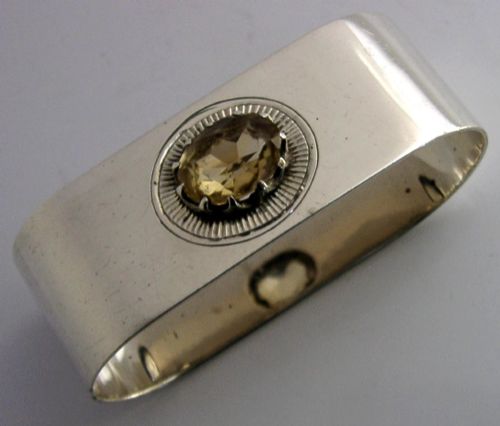
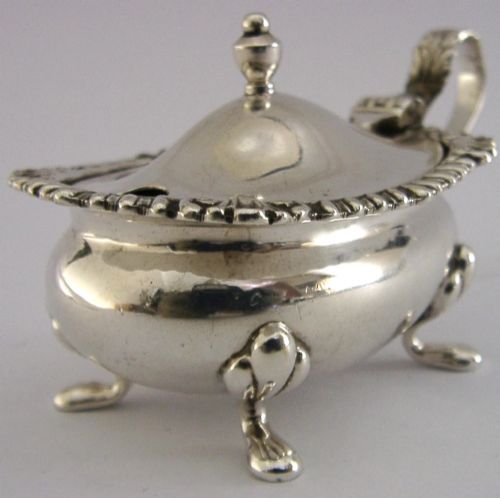
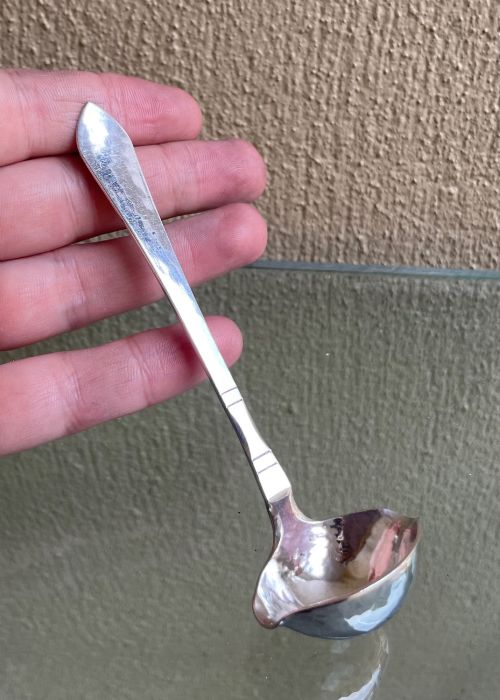
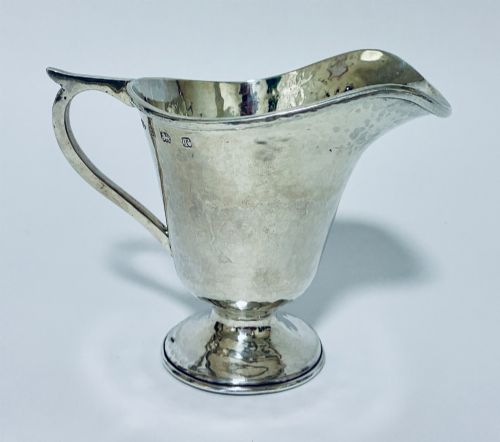
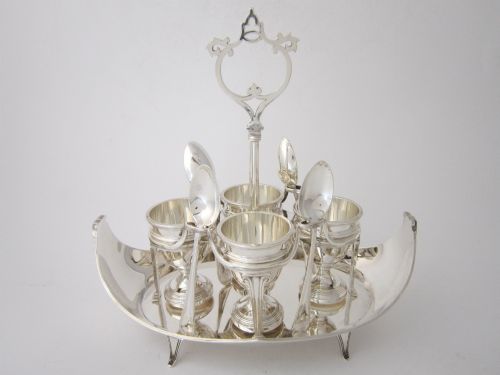
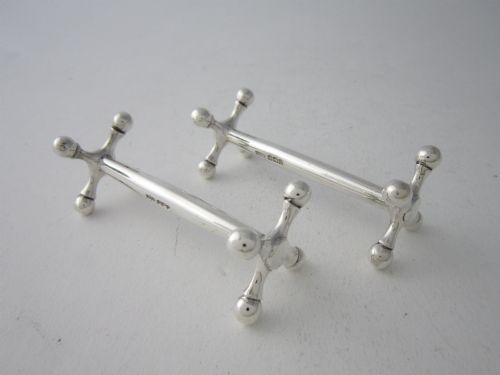
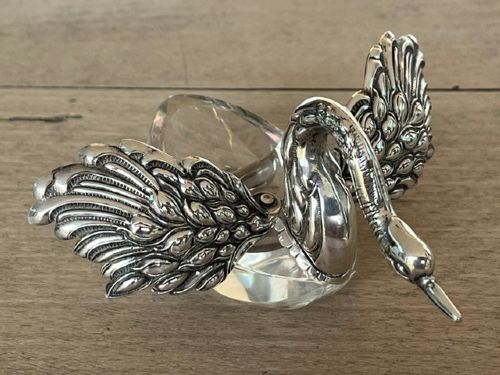
Napkin rings, cream jugs, mustard pots, sauce boats, menu holders, and toast racks form the core of what you encounter when browsing these listings.
The objects span from Georgian and Victorian heritage pieces through Edwardian items up to Art Deco, Mid-Century Modern, and Danish Modern expressions.
Markers of distinction
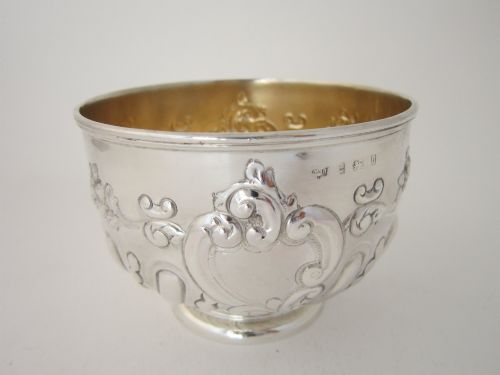
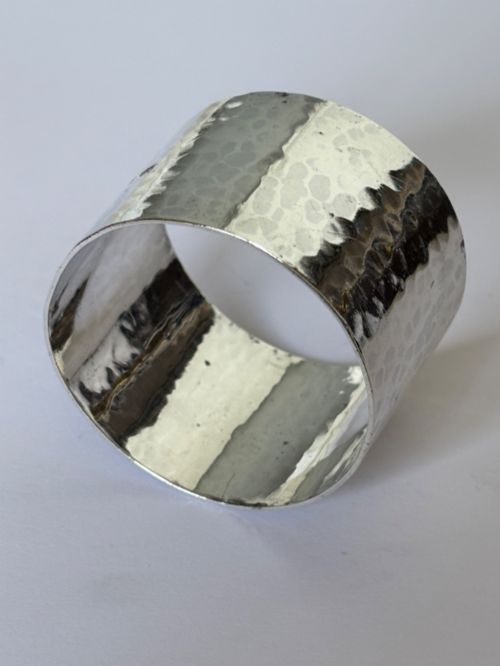
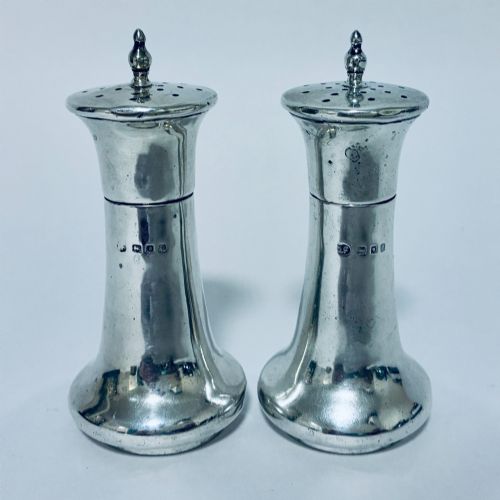
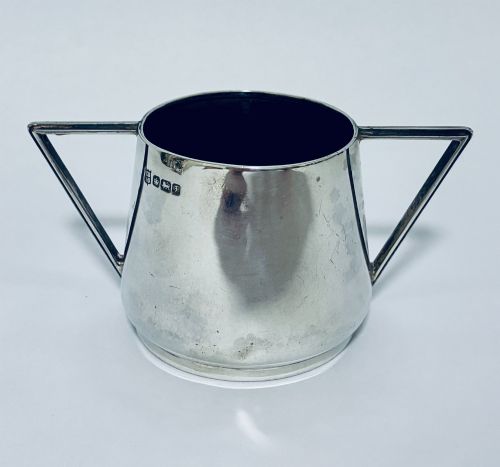
Quality rests upon the weight of the silver, the clarity and completeness of the assay office hallmarks, and the crispness of any hand-hammered or engraved detail.
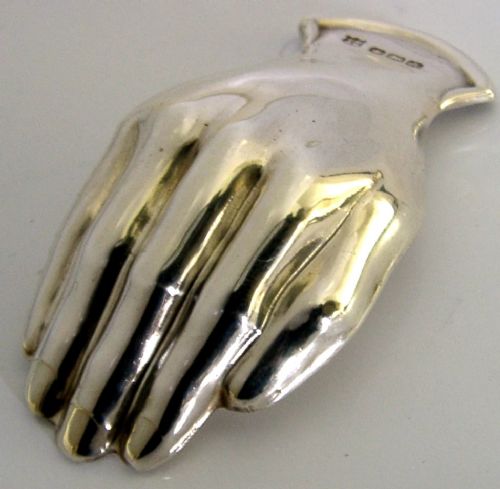
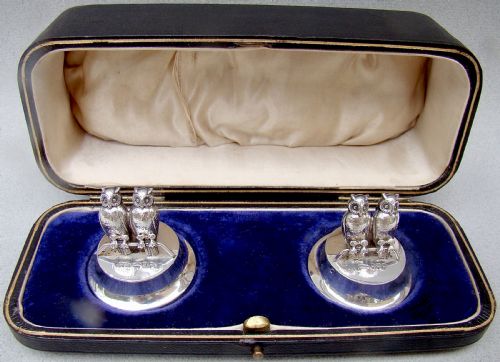
Design ambition separates standard functional vessels from novelty pieces like figural menu holders and caddy spoons shaped by notable makers.
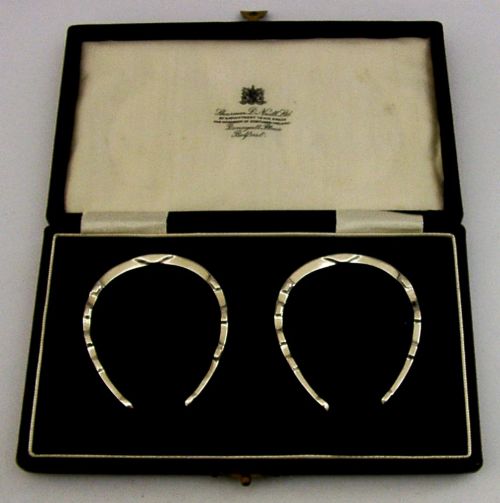
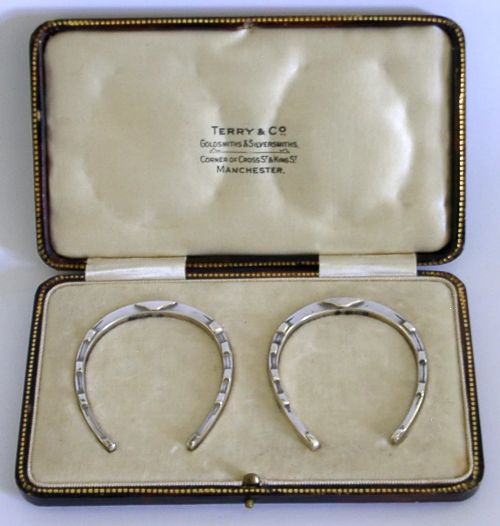
Several napkin rings are shaped precisely like lucky horse shoes.
Albert Edward Jones·Levi and Salaman·Georg Jensen·R. E. Stone·Sampson Mordan
The Vintage Sterling Silver Tableware Glossary
- Sterling silver
- An alloy comprising a high proportion of pure silver combined with other metals to ensure durability for everyday dining use.
- Hallmark
- Official marks stamped onto silver items to guarantee the metal standard, the maker, and the year of assay.
- Cruet set
- A matched group of small bottles, pots, or shakers designed to hold condiments at the dining table.
- Caddy spoon
- A short-handled spoon originally utilised for measuring loose tea from a caddy into a teapot.
Vintage Sterling Silver Tableware: Frequently Asked Questions
What is vintage sterling silver tableware?
It comprises dining accessories and serving pieces made from hallmark-verified silver during past centuries.
Items range from practical butter dishes and cream jugs to decorative napkin rings and toast racks.
How do I identify the date?
You read the assay office hallmarks stamped directly onto the metal surface of the piece.
These tiny marks reveal the town of testing, the silver standard, and a specific date letter.
Were these pieces used daily?
Many items were produced specifically for regular dining routines, from breakfast toast racks to dinner table mustard pots.
Others, such as cased novelty napkin rings and menu holders, served more formal or celebratory occasions.
How should I clean silver?
You should use a soft cloth and a gentle, non-abrasive silver cleaner formulated for antique metals.
Avoid harsh scrubbing that might wear away fine hand-engraved details or damage integrated glass liners.