





Antique Cheese Cradle
An antique cheese cradle is a table serving piece designed for cheese, prized for its timber warmth and practicality at the dining table.
What these pieces are
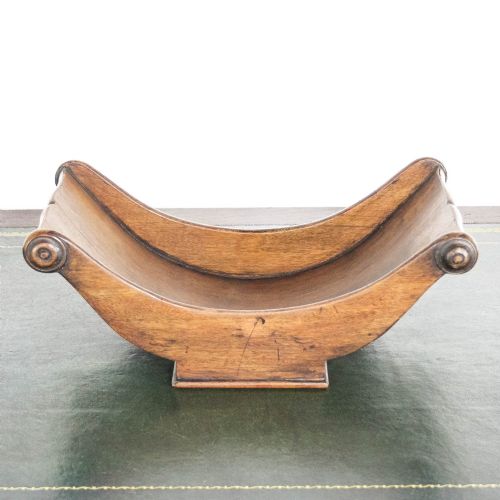
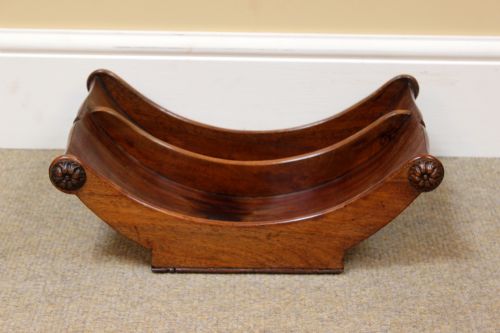
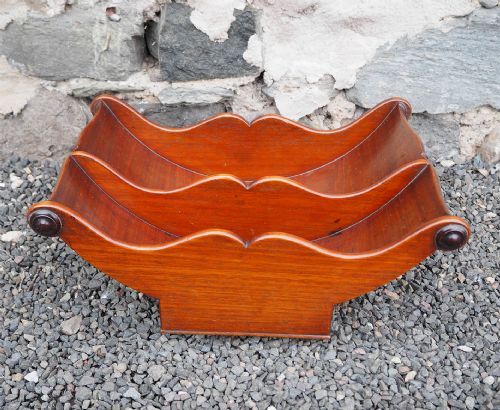
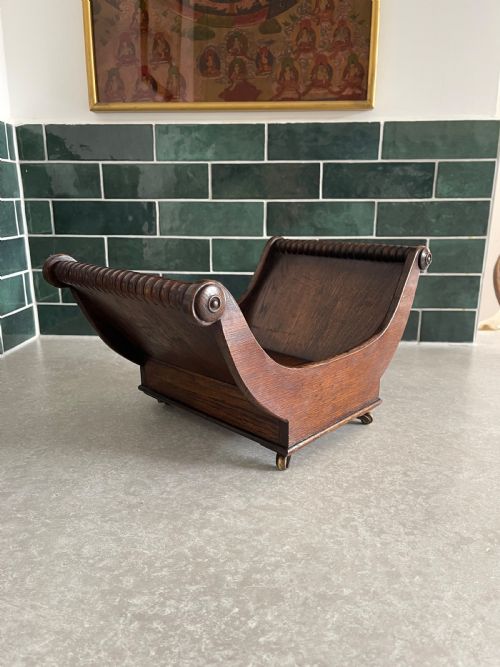
An antique cheese cradle, also known in the evidence as a cheese coaster or Stilton stand, is a form of tableware and serveware originating in the Georgian period and the eighteenth century. These items were designed to hold and present cheese smoothly at the table, often featuring shaped wooden trays or stands.
The versions most likely to be met on this page are Georgian mahogany cheese coasters, alongside occasional fruitwood examples and crescent-shaped truckle stands. Such treen serveware reflects the domestic dining habits of the late eighteenth century, notably around seventeen eighty.
How they were made
The evidence shows these pieces constructed from solid timber, specifically mahogany and fruitwood, sometimes incorporating bone details. Makers utilised traditional woodworking techniques to shape these dense woods into curved trays and coasters suitable for holding heavy cheeses.
Surface finishing relied on hand-polishing the timber to highlight the natural grain and colour of the mahogany or fruitwood. The craftsmanship of the period ensured that structural joins and turned elements remained robust through daily dining use.
Retail Price Guide 2026
Typical UK retail prices for cheese cradle, calculated from the Sellingantiques database of over a million retail prices indexed since 2003. This retail price guide relies exclusively on Sellingantiques data; no external sources or auction records are used, so the figures do not describe the wider market.
The listings on this site span the Georgian period and the eighteenth century, featuring mahogany, fruitwood, and bone materials.
What varies in quality
Quality in these pieces rests upon the choice of timber and the refinement of the woodwork, distinguishing standard utility items from finer dining accessories. Richly figured mahogany and well-turned fruitwood displays a superior visual depth that elevates the piece.
The integrity of the construction and the crispness of the original shaping further separate ordinary examples from exceptional ones. Pieces retaining their original bone elements and honest patination demonstrate greater integrity to their period origins.
The Antique Cheese Cradle Glossary
- Cheese coaster
- A small trolley or stand designed to hold a cheese truckle, allowing it to be slid smoothly along the dining table.
- Mahogany
- A durable, deep brown tropical hardwood favoured by Georgian cabinetmakers for its rich grain and strength.
- Fruitwood
- A dense timber sourced from fruit-bearing trees, utilised by makers for smaller turned items and treen.
Frequently Asked Questions
What is a cheese cradle?
A cheese cradle is a table serveware piece from the Georgian period designed to hold large portions of cheese, such as Stilton.
These wooden stands allowed diners to pass heavy cheeses easily along the table during formal meals.
How were cheese coasters used?
Cheese coasters were placed on the dining table to hold a cheese truckle or wedge securely in place.
Their curved designs and occasional mobility meant the cheese could be moved around the table without direct handling.
What woods were used?
Makers relied heavily on mahogany and fruitwood to construct these serving pieces during the eighteenth century.
These dense timbers provided the necessary durability for holding heavy food items while offering an attractive domestic appearance.
How do I date a cheese cradle?
Dating relies on identifying Georgian period characteristics, timber selection, and traditional hand-tool construction methods.
Pieces associated with the eighteenth century often display specific stylistic traits typical of makers working around seventeen eighty.