
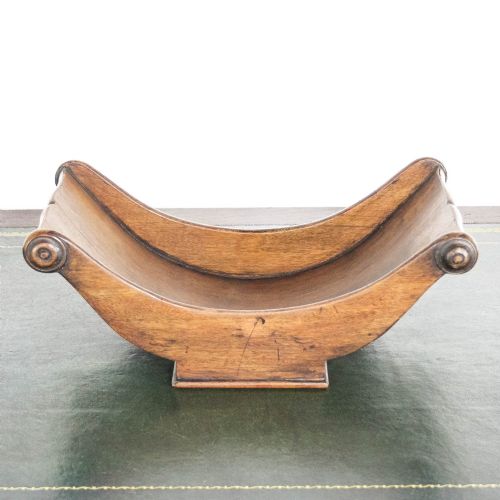
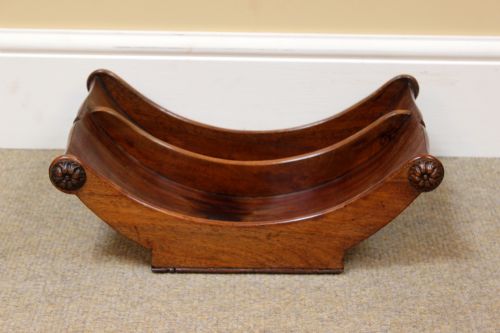

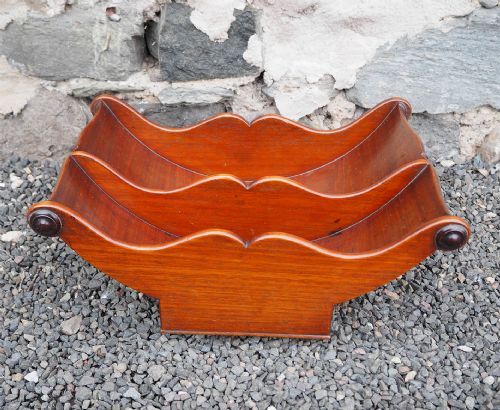


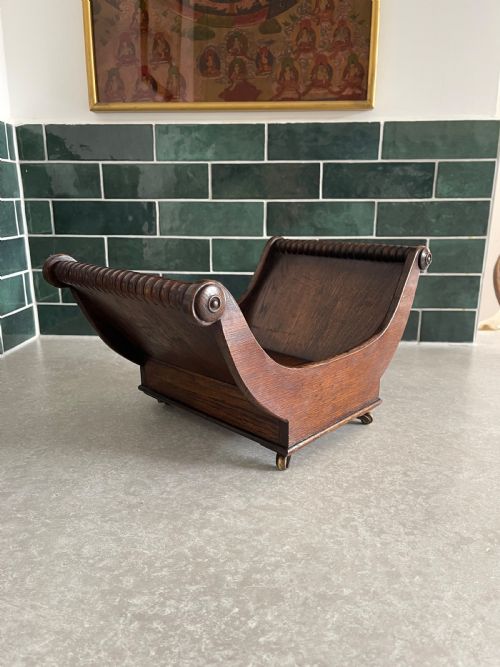


Wooden Cheese Coaster
These wooden cheese coaster examples are table accessories designed to hold cheese at the end of a meal, offering both practicality and period charm.
Wooden Cheese Coaster
A wooden cheese coaster is a dining accessory designed to hold a block of cheese or a truckle on the dining table. These pieces come in several distinct forms across the Georgian, Regency, and Victorian periods.
How they were made
Makers shaped dense hardwoods like mahogany and fruitwood using traditional turning and joinery techniques to create stable circular or crescent bases. These wooden bodies were frequently fitted with brass handles or castors to allow smooth movement across the dining table.
Selected pieces incorporate contrasting materials such as bone details or incorporate oak construction to ensure structural rigidity during daily use.
Current listings span the Georgian, 18th Century, Regency, and Victorian periods.
What varies in quality
The fineness of the turned woodwork and the weight of the timber separate standard examples from finer pieces. Superior versions display careful timber selection, rich grain patination, and robust brass hardware rather than simple construction.
Detailing such as refined shaping on crescent stands and well-fitted handles indicates a higher standard of craftsmanship from the maker.
The Wooden Cheese Coaster Glossary
- Cheese coaster
- A low dish or stand, typically fitted with small wheels or castors, designed to be slid along the dining table. This allows diners to pass cheese easily after a meal.
- Truckle
- A small, cylindrical wheel of cheese or the specific stand made to hold this shape. These stands often follow a crescent or circular form.
- Fruitwood
- Timber sourced from fruit-bearing trees such as apple, pear, or cherry, chosen by makers for its fine grain. This material yields a warm tone distinct from mahogany.
Wooden Cheese Coaster: Frequently Asked Questions
What is a wooden cheese coaster?
A wooden cheese coaster is a small serving tray or stand designed to hold cheese during dining.
They were traditionally used to present cheese at the table and allow it to be passed between guests.
How were cheese coasters used?
These pieces sat upon the dining table to hold a wedge or truckle of cheese.
Their form often included wheels or a smooth base to facilitate sliding across the surface.
Which woods are most common?
Mahogany appears most frequently in surviving examples from the Georgian and Regency periods.
Other pieces utilise fruitwood, oak, or incorporate brass and bone elements.
How to tell periods apart?
Georgian and Regency examples typically feature rich mahogany timber and classical turning.
Victorian pieces introduce alternative formats like the truckle stand while maintaining traditional woodworking methods.