





Brown Wooden Coaster
These brown wooden coaster pieces are tactile dining accessories in mahogany and oak, sought after to bring period character to the table.
Brown Wooden Coaster
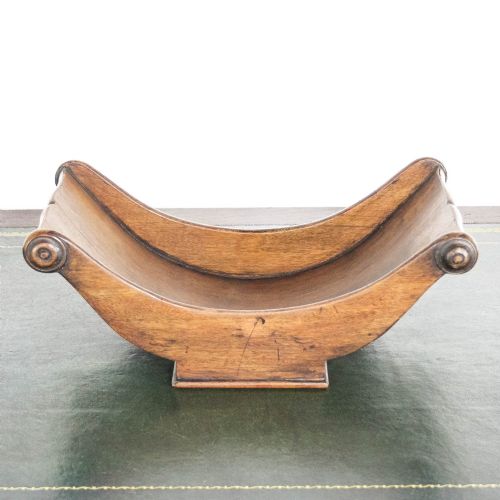
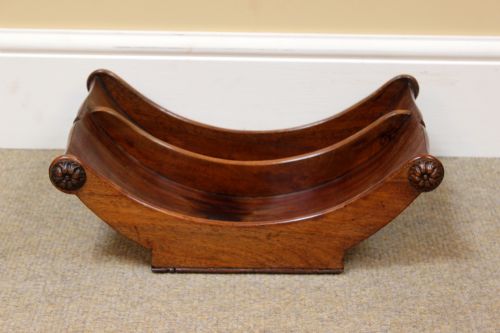
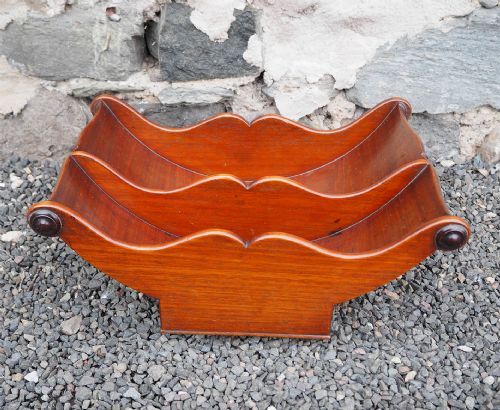
A brown wooden coaster in these listings typically takes the form of a cheese coaster, wine bottle stand, or decanter coaster used in historic dining settings. Most examples on this page date from the Georgian and Victorian periods, reflecting the formal serving customs of those eras.
The dominant material across these pieces is mahogany, often shaped as low, boat-shaped troughs or circular stands designed to protect the dining table. Some items double as fruit bowls or truckle cheese stands, showing the adaptable nature of wooden tableware from the eighteenth and nineteenth centuries.
Buyers also encounter variations such as Japanese Meiji carved trays and oak vessels, which extend the range beyond traditional British dining accessories. Each form serves a distinct function, from holding a single decanter to wheeling a large cheese wedge along the surface of the table.
Materials and construction methods
Makers utilised dense timbers such as mahogany and oak, selected for their stability and capacity to take a fine turned or carved finish. These woods form the main body of the serveware, often enhanced with brass fittings or baize lining to protect the base.
Turning on a lathe and hand-carving define the construction of these dining accessories, creating smooth curving walls and detailed rims. Attributed pieces show skilled cabinet-making techniques, such as precise shaping and joinery suited to heavy use on the dining room table.
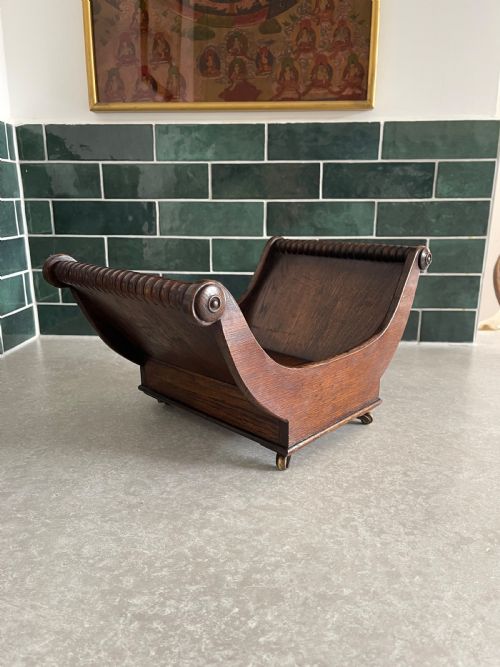
Some cheese coasters come with tiny wheels so dinner guests could slide the cheddar across the table without stretching.
Assessing quality and craftsmanship
The distinction between standard pieces and finer examples rests on the crispness of the carving and the quality of the timber grain. Finer mahogany coasters display deep natural figuring and sophisticated turned mouldings rather than plain surfaces.
Scale and proportion also influence the standing of a piece, with particularly large vessels or matched pairs demonstrating greater ambition from the workshop. The presence of original materials like baize undersides adds to the integrity of the surviving object.
James Mein of Kelso
The Brown Wooden Coaster Glossary
- Cheese Coaster
- A low-profile wooden vessel, often fitted with small wheels or truckles, designed to hold a wedge of cheese and be slid across the dining table.
- Decanter Coaster
- A small circular stand created to hold a wine bottle or decanter, protecting the table surface from rings and spills.
- Treen
- Small handmade wooden household objects and tableware, valued for their material and utilitarian history.
- Truckle
- A small wheel or roller attached to the base of larger cheese stands to facilitate movement along the dining table.
- Baize
- A coarse woolen material used to line the undersides of coasters and protect polished wooden furniture.
Brown Wooden Coaster: Frequently Asked Questions
What is a brown wooden coaster used for?
These pieces were originally designed for serving wine and cheese in formal dining rooms. They held bottles, decanters, or cheeses and allowed them to be slid smoothly along the table.
Today, collectors use them on sideboards or dining tables as decorative serveware and historical table accessories.
How do I date a mahogany coaster?
Dating relies on observing the timber, turning style, and overall proportions. Georgian examples often feature rich mahogany grain and simple classical mouldings, while Victorian versions can incorporate varied treen techniques.
Comparing the form and construction to known period pieces helps narrow down the decade of manufacture.
Were these coasters meant to have wheels?
Many larger cheese coasters and truckle stands were fitted with small rollers or wheels so guests could push them easily across the table. Smaller decanter coasters were stationary and designed to be lifted.
Both styles appear frequently among British dining accessories from the eighteenth and nineteenth centuries.
How do I care for antique wooden serveware?
Antique wooden pieces require gentle handling and protection from extreme changes in humidity and direct heat. Regular dusting with a soft cloth preserves the finish of the mahogany or oak.
Avoid immersing them in water, especially those with baize linings or metal fittings.