






Georgian Wooden Cradle
A georgian wooden cradle brings honest 18th and 19th-century warmth into a modern room, offering robust construction and authentic period character.
Georgian Wooden Cradle
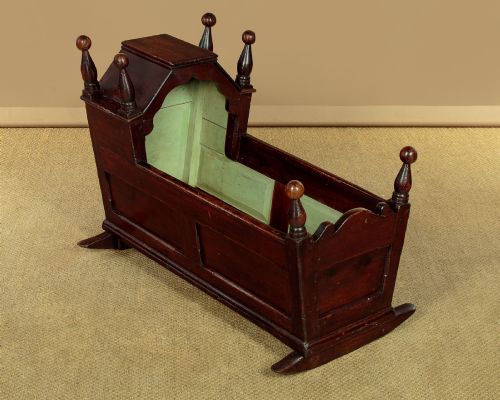
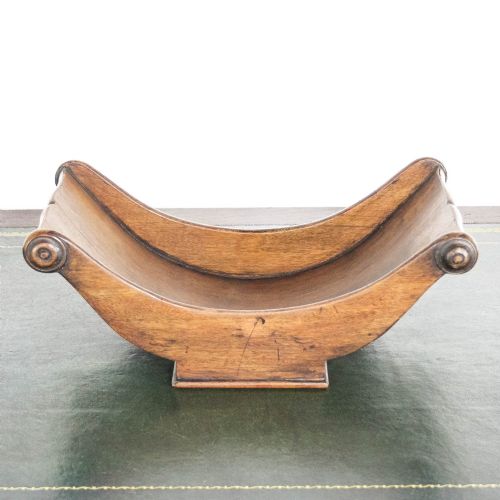
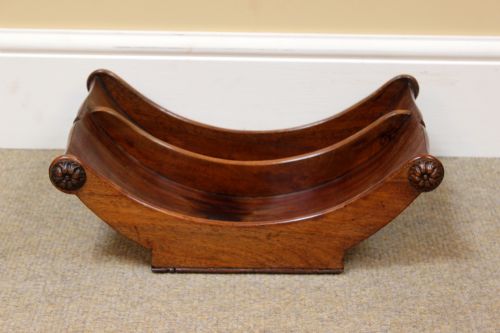
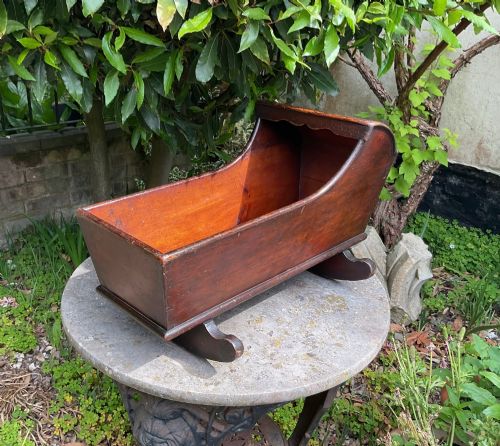
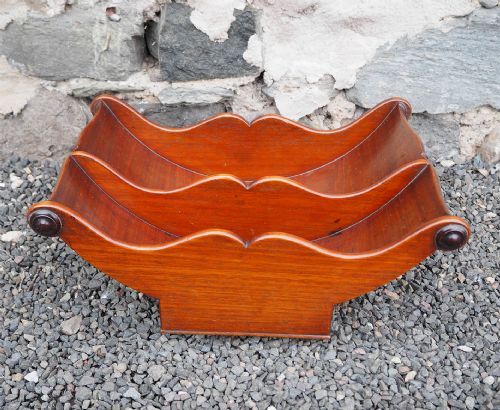
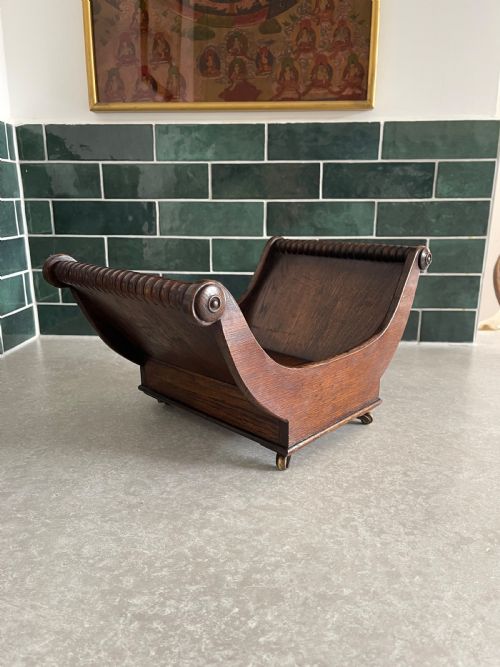
A georgian wooden cradle is a domestic resting place for infants or a smaller table accessory, such as a cheese coaster, dating from the Georgian, Regency, and Victorian periods. On this page, buyers will frequently encounter mahogany cheese coasters alongside genuine pine, oak, and fruitwood infant cradles set on rockers.
The objects span full-scale vernacular children's beds to miniature doll furniture and dining table bottle holders. Construction ranges from utilitarian pine to finely figured mahogany designed for the dining room rather than the nursery.
Materials and construction methods
Makers utilised dense timbers such as mahogany, oak, pine, and fruitwood, often selecting boards for their durable grain and structural strength. Joinery relied on traditional methods suited to domestic utility, producing solid forms that survived centuries of daily use.
Surface treatments vary from polished hardwood finishes to original paint, as seen on vernacular pieces finished in blue pigment. Metal details like brass fittings occasionally supplement the wooden frames on specific bottle holders and serving stands.
Georgian Wooden Cradle Retail Price Guide 2026
Typical asking prices for georgian wooden cradle among the pieces listed under this phrase on Sellingantiques today, from the lower quarter to the upper quarter. They describe what is for sale here now, not the wider market.
Listings feature four distinct timber varieties: mahogany, pine, oak, and fruitwood, spanning the Georgian to Victorian eras.
Judging quality and character
Quality rests upon the selection of timber and the integrity of the original surface, whether a patinated mahogany grain or untouched regional paint. Pieces that retain their structural fasteners and rocking mechanisms without excessive timber replacement hold greater aesthetic balance.
Refinement in turning and joinery separates utilitarian workshop output from more polished dining accessories. The presence of original surface patination determines the visual depth of the wood over time.
The Georgian Wooden Cradle Glossary
- Cheese coaster
- A small trolley or stand designed to hold a wedge of cheese on the dining table. They frequently run on small rollers to pass easily along the mahogany surface.
- Fruitwood
- A generic term for timber taken from fruit-bearing trees such as apple, pear, or cherry. It provides a dense, fine-grained surface favoured by regional cabinet makers.
- Truckle
- A small wheel or caster attached to furniture to allow smooth movement. These appear frequently on dining table stands and bottle cradles.
- Vernacular
- Everyday objects made by local craftsmen following regional traditions rather than high-style metropolitan designs. Welsh pine cradles often display these distinct local building traits.
- Treen
- Small handmade wooden household objects created before the advent of modern mass production. The category includes everything from tableware to miniature doll furniture.
Georgian Wooden Cradle: Frequently Asked Questions
What is a georgian wooden cradle used for?
These items served various domestic functions, from infant sleeping quarters to dining room table servers. Smaller iterations held wine bottles or cheese wedges during formal meals.
Larger vernacular examples were built specifically for nurseries, featuring curved rockers to soothe infants. Today, collectors repurpose the smaller stands for display and the infant cradles as decorative interior focal points.
How do I care for antique wood?
Keep wooden pieces away from direct heat sources and sudden humidity shifts to prevent timber splitting. Regular gentle dusting preserves the natural wax and dry-surface patination.
Avoid modern liquid polishes that build up artificial residues over time. A light application of microcrystalline wax helps protect dry hardwood surfaces.
Are these items safe for modern nurseries?
Antique infant beds rarely meet contemporary safety standards established for modern manufactured cots. They lack current requirements regarding slat spacing and side heights.
Collectors generally acquire them for decorative display rather than active infant use. Their historical value lies in their craftsmanship and age.
How do I identify a cheese coaster?
Cheese coasters feature crescent or boat-shaped wooden frames designed to contain large wedges of cheese. They often sit on small brass wheels or wooden truckles for passing across dining tables.
Many examples incorporate richly figured mahogany or fruitwood construction. They date predominantly from the Georgian and Regency eras.